
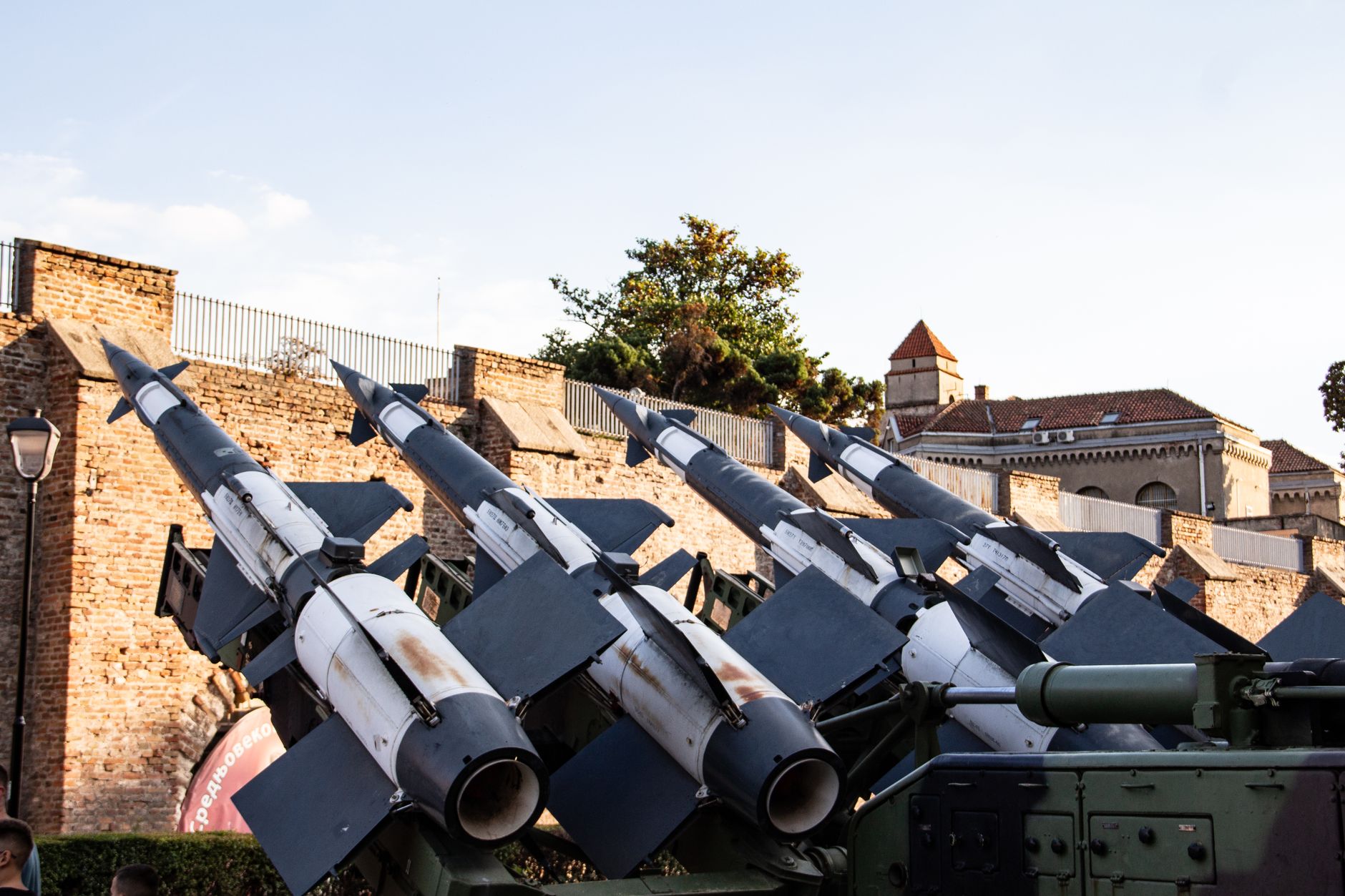
Yemen Houthis ballistic missiles are becoming a pressing issue as reports indicate they are looking to enhance their capabilities with more Chinese supplies.
Background on the Houthis
The Houthis, officially known as Ansar Allah, are a political and armed movement based in Yemen. They emerged in the early 1990s, initially as a response to perceived marginalization of the Zaydi Shia community. Over the years, the group has evolved, gaining significant military strength and political influence, especially during and after the outbreak of the Yemeni Civil War in 2015.
The conflict has drawn in numerous regional and international actors, complicating the situation in Yemen. The Houthis have been accused of receiving support from Iran, which has enabled them to enhance their military capabilities, including the development of ballistic missiles. Recent reports indicate that they are looking to expand their arsenal, potentially leveraging supplies from China.
As the Houthis continue to advance their ballistic missile technology, concerns are growing about the implications for regional security. Military analysts warn that these developments could pose a significant threat not only to Saudi Arabia and other neighboring countries but also to global shipping routes passing through the Red Sea.
In light of these factors, the situation in Yemen remains precarious and warrants close international attention.
Recent developments in Yemen
Recent developments in Yemen have raised concerns regarding the capabilities of the Houthis, particularly in relation to their ballistic missile programs. Reports suggest that the Houthis are increasingly relying on supplies from China to enhance their missile technology. This shift could potentially escalate the conflict in the region, as the group aims to build more sophisticated weaponry.
Key points regarding these advancements include:
- Increased Supply Chains: The Houthis are reportedly establishing new supply routes to acquire advanced components necessary for ballistic missile production.
- Regional Tensions: The development of these missiles could lead to heightened tensions with neighboring countries, notably Saudi Arabia, which has been engaged in a prolonged conflict with the Houthis.
- International Response: The international community is closely monitoring these developments, fearing that enhanced missile capabilities may lead to a broader conflict in the Middle East.
As the situation unfolds, the implications of the Houthis’ advancements in ballistic missile technology will likely be a focal point for both regional and global security discussions.
Impact of Chinese supplies
The ongoing conflict in Yemen has seen an alarming escalation in the capabilities of the Houthis, particularly regarding their ballistic missiles. Recent reports indicate that the group is receiving increased supplies from China, which could significantly enhance their missile technology and production capabilities.
These developments raise critical concerns among regional and global powers, as the Houthis’ ability to launch more sophisticated and effective ballistic missiles poses a direct threat to security in the region. The implications of such advancements could extend beyond Yemen’s borders, potentially destabilizing neighboring countries and heightening tensions in an already volatile area.
Analysts have identified several potential impacts of these Chinese supplies:
- Increased military capability: The Houthis may develop more accurate and longer-range missiles.
- Shift in power dynamics: A stronger Houthi military presence could alter alliances in the region.
- Escalation of conflict: Enhanced missile capabilities might provoke retaliatory actions from adversaries.
As Yemen’s Houthis continue to build their ballistic missiles with assistance from China, the international community watches closely, concerned about the broader ramifications of this growing threat.
International response to missile threats
The international community has expressed deep concern over the escalating threat posed by Yemen Houthis ballistic missiles. As the Houthis reportedly enhance their missile capabilities with increased supplies from China, several nations have taken steps to address the potential risks associated with these developments.
In response, the United Nations has called for urgent diplomatic efforts to mitigate tensions in the region. Key points of the international response include:
- Increased Monitoring: The UN Security Council has emphasized the need for enhanced monitoring of arms shipments to Yemen, particularly focusing on any assistance that may empower the Houthis.
- Calls for Restraint: Multiple countries have urged the Houthis to refrain from escalating their missile program, warning that such actions could further destabilize an already fragile region.
- Coalition Actions: The Saudi-led coalition has intensified its military operations, targeting Houthi missile launch sites to curtail their capabilities.
As the situation evolves, the potential for a wider conflict remains a pressing concern for regional and global security, highlighting the urgent need for a comprehensive resolution to the Yemeni crisis.
Analysis of missile capabilities
The Houthis’ increasing capabilities in developing ballistic missiles present a significant challenge to regional stability. Recent reports indicate that the group is enhancing its missile technology, likely aided by recent supplies from China. This development raises concerns among neighboring countries and international observers regarding the potential escalation of conflicts in the region.
Historically, the Houthis have demonstrated a capacity to launch missiles targeting various locations within Saudi Arabia, leading to heightened tensions. Their advancements suggest a move towards more sophisticated delivery systems that could threaten not only Saudi Arabia but also other Gulf nations. Key factors influencing these capabilities include:
- Technical expertise: The Houthis have shown an ability to reverse-engineer and adapt foreign technology.
- Supply chain: Continued support from allies like China may facilitate access to advanced missile components.
- Geopolitical dynamics: The shifting alliances in the region could embolden the Houthis to pursue more aggressive missile programs.
As the situation evolves, the implications of the Houthis’ ballistic missiles could redefine security strategies for nations across the Middle East.
Future implications for the region
The escalating capabilities of the Yemen Houthis in developing ballistic missiles pose significant implications for the broader Middle East region. As the Houthis enhance their missile technology with support from external allies, particularly China, the potential for increased conflict and instability rises sharply.
Experts warn that the proliferation of advanced missile systems could lead to:
- Heightened tensions: Neighboring countries, particularly Saudi Arabia and the United Arab Emirates, may feel compelled to bolster their own defenses, leading to an arms race in the region.
- Increased regional conflicts: The Houthis’ newfound capabilities might embolden them to engage in more aggressive military actions, potentially drawing in other regional powers.
- Broader geopolitical ramifications: The involvement of China in supplying missile technology could shift alliances and create rifts among traditional partners in the region.
Moreover, the international community may face challenges in diplomatic efforts to mitigate risks associated with the Yemen Houthis’ ballistic missiles. The ongoing developments call for a reassessment of strategies to ensure stability and security in an already volatile region.
Expert opinions on the situation
Experts are divided on the implications of the Yemen Houthis’ advancements in ballistic missile technology. Some analysts believe that the increased capabilities pose a significant threat not only to regional stability but also to global security.
Dr. Amina Khalid, a Middle East security expert, stated, “The potential for the Houthis to deploy more sophisticated ballistic missiles could escalate tensions with neighboring countries and heighten the risk of conflict.” She emphasizes that the ongoing support from China could enable the Houthis to enhance their military capabilities significantly.
On the other hand, military analyst Tom Reddington argues that while the situation is concerning, the Houthis still face numerous challenges in operationalizing these systems effectively. “The logistical hurdles and the need for trained personnel to launch and maintain these missiles cannot be overlooked,” he remarked.
Furthermore, international relations expert Dr. Leila Mansour pointed out that the response from other nations will be crucial. “If regional powers perceive Yemen Houthis ballistic missiles as a direct threat, we may see a shift in alliances and an increase in military preparedness.”
Ultimately, the trajectory of this situation remains uncertain, with experts calling for close monitoring of developments.
Conclusion and next steps
In conclusion, the situation surrounding Yemen’s Houthis and their ballistic missiles poses a significant threat not only to the region but also to global stability. The increased capabilities enabled by Chinese supplies could lead to a more aggressive stance from the Houthis, complicating an already tense environment. As various stakeholders assess their responses, it is crucial to consider the broader implications of this development.
Next steps for the international community may include:
- Increased diplomatic efforts: Engaging with regional powers to foster dialogue and reduce tensions.
- Monitoring missile developments: Keeping a close watch on the advancements in ballistic missile technology being pursued by the Houthis.
- Supporting humanitarian initiatives: Addressing the underlying issues contributing to the conflict to alleviate suffering and instability.
- Enhancing regional defense: Strengthening missile defense systems in adjacent countries to counter potential threats from Yemen’s Houthis.
Ultimately, the situation remains fluid, and ongoing assessments will be vital to addressing the challenges posed by the Houthis’ pursuit of ballistic missiles and the risks they entail.
The increasing sophistication of Yemen Houthis ballistic missiles has raised alarms across the region. Many analysts believe that Yemen Houthis ballistic missiles could shift the balance of power in ongoing conflicts.
Photo by Boris Hamer on Pexels
1 thought on “Yemen Houthis ballistic missiles: Is this the worst threat?”