
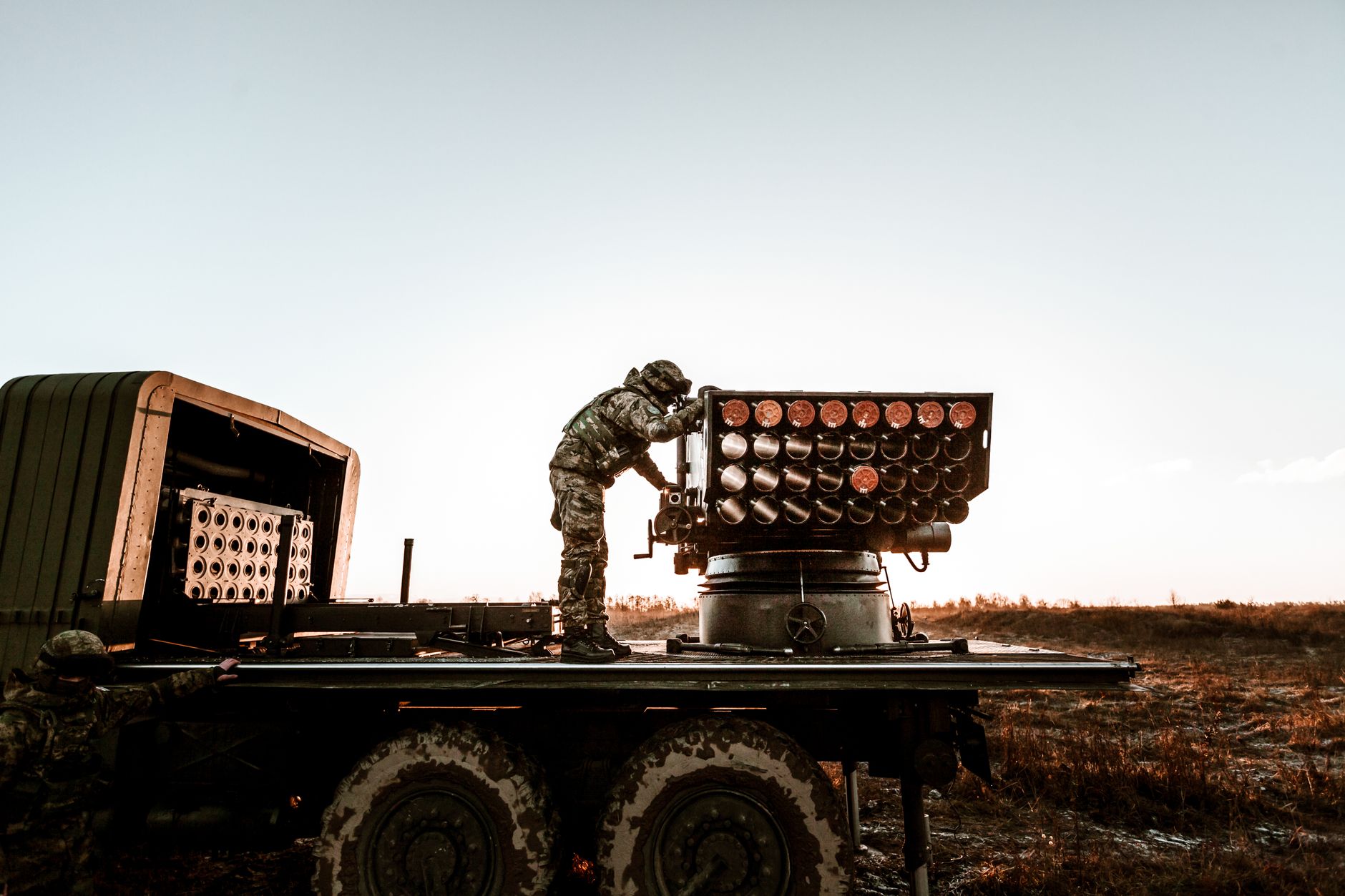
Starlink disrupts military operations in Ukraine, leading to significant challenges for drone connectivity and mission execution. This disruption raises questions about the implications for ongoing military strategies.
Overview of Starlink’s Role
Starlink, the satellite internet constellation developed by SpaceX, has quickly become a critical communication tool in various sectors, including military operations. However, its role has sparked significant debate, particularly regarding how it disrupts military operations. Reports indicate that Ukrainian forces, which have heavily relied on Starlink for connectivity, are facing severe challenges as connections drop unexpectedly.
This disruption has led to a range of consequences:
- Operational Efficiency: Sudden loss of internet access impacts the coordination of missions and limits real-time communication between units.
- Drone Operations: Many missions utilizing drones have been cancelled due to unreliable Starlink connections, hindering surveillance and reconnaissance efforts.
- Strategic Vulnerability: The dependency on Starlink exposes vulnerabilities in the military’s communication infrastructure, making it an area of concern for commanders.
As these challenges unfold, the impact of Starlink’s role will likely continue to evolve, raising questions about its reliability and effectiveness in high-stakes environments. The question remains: can military operations adapt to these disruptions effectively?
Impact on Ukrainian Military
The introduction of Starlink in the Ukraine conflict has had significant repercussions on military operations. Reports indicate that the satellite internet service has disrupted vital communications, leading to challenges in coordinating drone missions. This disruption has been particularly evident in the Ukrainian military’s reliance on real-time data for surveillance and reconnaissance.
With Starlink’s connectivity issues, Ukrainian forces have faced:
- Increased mission cancellations: Many planned operations have been scrapped due to unreliable communications.
- Disrupted drone connections: The inability to maintain stable links has hindered the effectiveness of UAVs on the battlefield.
- Delayed intelligence sharing: Timely information is crucial, and interruptions have slowed response times to enemy movements.
As Starlink disrupts military operations, Ukrainian forces are compelled to adapt quickly. They are seeking alternative communication methods to compensate for the deficiencies caused by the satellite service. This situation highlights the intricate relationship between technology and warfare, demonstrating how advancements can both aid and hinder military strategies.
Drone Connectivity Challenges
The integration of Starlink into military operations has introduced unexpected challenges, particularly regarding drone connectivity. As military forces increasingly rely on drones for surveillance and combat missions, disruptions in connectivity can have dire consequences.
Reports indicate that the reliance on Starlink has led to a significant drop in drone connections, impacting critical missions. This has raised concerns among military strategists who depend on real-time data for operational success. The following issues highlight the challenges faced:
- Signal Interference: Adverse weather conditions and physical obstructions can disrupt the satellite signals, leading to communication breakdowns.
- Bandwidth Limitations: Increased demand for connectivity can strain available bandwidth, affecting multiple units operating simultaneously.
- Reliability Concerns: Any unreliability in Starlink’s service could lead to mission cancellations, jeopardizing strategic objectives.
As Ukrainian forces continue to adapt to these challenges, the impact of Starlink disrupts military operations remains a pressing issue that demands attention. Ensuring robust and secure communication channels is essential for maintaining operational effectiveness in the field.
Missions Canceled Due to Disruptions
In recent reports, it has become evident that Starlink disrupts military operations, leading to significant consequences for ongoing missions. Ukrainian forces have experienced a notable increase in mission cancellations as a direct result of connectivity issues stemming from the satellite internet service.
Several key factors contribute to these disruptions:
- Unreliable Connectivity: Soldiers have reported frequent drops in drone connections, which are vital for real-time surveillance and targeting.
- Operational Coordination: Without stable communication channels, coordinating troops on the ground has become increasingly challenging, leading to mission delays and cancellations.
- Dependency on Technology: As military operations rely heavily on advanced technology, any disruption in service can have cascading effects on overall mission success.
The ramifications of these cancellations extend beyond immediate tactical setbacks. Analysts suggest that the ongoing disruptions could embolden adversaries, altering the balance of power in the region. As military planners reassess their strategies, the critical question remains: how can they mitigate the risks associated with reliance on satellite services like Starlink?
Expert Opinions on the Situation
Experts in military technology and communications are raising concerns about the implications of Starlink’s rapid expansion in conflict zones. According to Dr. Emily Carter, a defense analyst, “Starlink disrupts military operations by introducing vulnerabilities that adversaries can exploit.” She emphasizes that while Starlink provides essential connectivity, its reliance on satellite links makes it susceptible to jamming and cyber-attacks.
Furthermore, Major John Richards, a retired military strategist, notes that the unpredictability of satellite communications can jeopardize missions. “The impact on drone operations is particularly concerning,” he stated. “When connectivity drops, so does situational awareness, which is critical for effective military engagement.” This sentiment is echoed by several other experts, who argue that the integration of commercial satellite systems into military frameworks poses significant risks.
Additionally, cybersecurity expert Dr. Sarah Nguyen warns that the open nature of Starlink’s network could lead to information leaks. “Adversaries may intercept communications or disrupt services, which can have dire consequences for ongoing operations,” she explained. As the reliance on such technology grows, military leaders must reassess their strategies to mitigate these emerging threats.
Future of Military Operations
The future of military operations is increasingly intertwined with advancements in satellite technology, particularly as the influence of Starlink disrupts military operations around the globe. As military forces adapt to the rapid evolution of technology, there are several critical considerations that need to be addressed.
- Reliability of Communication: With the increasing reliance on satellite internet, ensuring stable and secure communication channels is paramount. Disruptions caused by satellites like Starlink can hinder real-time coordination and intelligence sharing.
- Vulnerability to Cyber Attacks: The integration of such technology can expose military operations to cyber threats. Adversaries may exploit vulnerabilities in satellite communication systems, leading to potential breaches.
- Strategic Incorporation: Future military strategies will likely need to incorporate advanced satellite capabilities while creating contingencies for situations where disruptions occur.
- Training and Adaptation: Military personnel will require extensive training to effectively operate within this new technological landscape, ensuring they are equipped to handle unexpected connectivity issues.
As these challenges unfold, it becomes clear that the impact of Starlink on military operations is profound and necessitates a reevaluation of traditional tactics and strategies.
Technological Dependencies in Warfare
The integration of advanced technologies in warfare has brought about significant changes in military operations. However, as Starlink disrupts military operations, it raises questions about the reliance on such systems. In contemporary conflict environments, the dependence on satellite internet for communication, reconnaissance, and coordination has become crucial.
Military forces are increasingly utilizing technologies like Starlink for real-time data transmission and drone operations. This reliance can create vulnerabilities, especially when these systems experience disruptions. The impact of connectivity issues can lead to:
- Increased operational risks: With unreliable communication, troops may face challenges in executing missions effectively.
- Delayed responses: Critical information may not reach commanders in time, affecting strategic decisions.
- Loss of situational awareness: Without stable connections, forces may struggle to maintain an overview of the battlefield.
As military strategies evolve, the implications of such technological dependencies must be carefully considered. Addressing these vulnerabilities will be essential for ensuring that forces can operate effectively in a rapidly changing warfare landscape.
Potential Solutions to Connectivity Issues
The disruption caused by Starlink in military operations has prompted discussions about potential solutions to enhance connectivity and reliability. As reliance on satellite internet grows, especially in conflict zones, addressing these vulnerabilities is crucial.
Experts suggest several strategies to mitigate the impact of connectivity issues:
- Redundant Systems: Implementing backup communication networks can ensure that military operations continue smoothly even if Starlink services are interrupted.
- Hybrid Communication Solutions: Combining satellite, radio, and other forms of communication may provide a more resilient framework for military operations, reducing dependency on a single provider.
- Real-Time Monitoring: Developing systems for real-time monitoring of satellite performance can help military units anticipate and respond to connectivity disruptions swiftly.
- Collaboration with Other Providers: Engaging with multiple satellite internet providers could diversify options and reduce risks linked to over-reliance on Starlink, which has been noted as a key factor in recent operational challenges.
Addressing these challenges is vital for maintaining operational effectiveness, as disruptions from Starlink significantly affect military strategies and outcomes.
The introduction of Starlink disrupts military operations by providing unprecedented access to high-speed internet in remote areas. As a result, military strategists must adapt to the challenges posed by how Starlink disrupts military operations in the field.
Photo by Art Guzman on Pexels
1 thought on “Starlink Disrupts Military Operations: The Real Impact”