
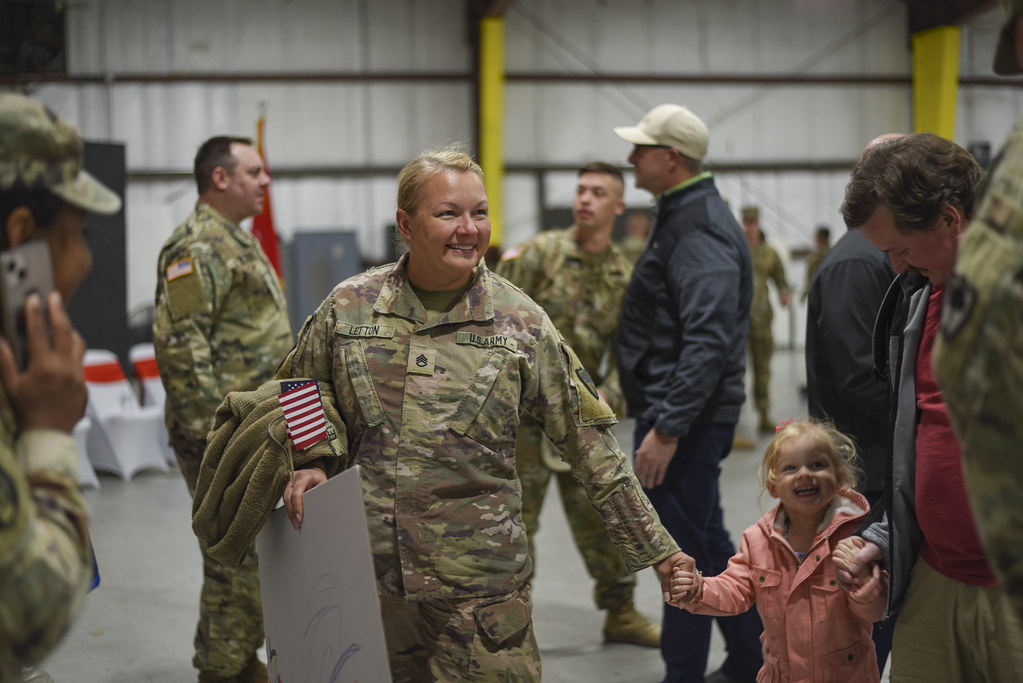
US troops Middle East deployment has intensified recently as tensions rise and oil prices surge. This move has sparked widespread discussion about its implications for the region and global markets.
US Troops Deployment Explained
The recent deployment of US troops to the Middle East has raised concerns about the regional stability and potential escalation of conflicts. As tensions rise, the US government has decided to send thousands more troops, including Marines, to bolster its presence in the area.
This move comes as oil prices surge, prompting fears of disruptions in supply and heightened geopolitical risks. The decision to deploy additional forces aims to deter hostile actions from adversaries and reassure allies in the region.
Key points regarding the deployment include:
- Strategic Objectives: The US troops are positioned to protect vital interests and maintain security in key locations.
- Regional Alliances: Strengthening ties with allies is crucial, as shared security concerns arise.
- Risks of Escalation: Increased military presence raises the potential for miscalculations and unintended conflicts.
As the situation evolves, the implications of US troops in the Middle East will be closely monitored.
Impact of Oil Prices on Military Decisions
The deployment of US troops in the Middle East is increasingly influenced by fluctuations in oil prices. As tensions rise in the region, military decisions are often closely tied to the economic implications of oil supply and demand.
With oil prices surging, the US government faces pressure to ensure stability in this crucial market. The potential for conflict can disrupt oil production and transportation, leading to global economic repercussions. Therefore, military readiness and troop positioning become vital considerations for safeguarding these resources.
- Increased patrols: US troops may be tasked with enhanced patrols in key oil-producing areas to deter potential threats.
- Strategic alliances: Collaborating with regional partners can bolster security efforts and protect vital infrastructure.
- Resource allocation: Budget constraints may influence how many troops are deployed, affecting overall military strategy.
In conclusion, the interplay between oil prices and military decisions underscores the complexities of US troops’ presence in the Middle East.
Regional Reactions to US Troop Increase
The recent decision to increase the presence of US troops in the Middle East has elicited a variety of reactions from regional nations. These responses reflect a mix of concern, support, and criticism regarding the implications of such military movements.
- Iran: Officials have condemned the troop increase, viewing it as a threat to regional stability. They emphasize that this action may lead to heightened tensions and potential conflict.
- Saudi Arabia: The kingdom has welcomed the US troop deployment, seeing it as a necessary measure to deter Iranian aggression and ensure its own security.
- Iraq: Iraqi leaders have expressed reservations, fearing that an increased US military presence could undermine their sovereignty and exacerbate local tensions.
- Turkey: Turkish officials remain cautious, concerned that the troop increase could impact their own interests in northern Syria and beyond.
The complex web of regional reactions highlights the delicate balance that US troops must navigate in the Middle East moving forward.
What This Means for Global Security
The recent deployment of US troops in the Middle East significantly impacts global security dynamics, raising concerns among international observers. This military escalation comes at a time when tensions in the region are high, and the implications of increased troop presence could be far-reaching.
As US troops bolster their positions in response to geopolitical threats, several factors emerge that could influence global stability:
- Escalation of Conflicts: The increase in military presence may provoke adversarial nations, potentially leading to a rise in hostilities.
- Shifts in Alliances: Regional powers may reassess their alliances, pushing some countries closer to the US while alienating others.
- Impact on Global Economy: Continued military engagement can affect oil supply chains and lead to fluctuating prices, further straining international markets.
- Humanitarian Concerns: Increased military action may exacerbate civilian suffering, prompting global calls for intervention and support.
Overall, the deployment of US troops in the Middle East presents both opportunities and risks for maintaining global security.
Historical Context of US Military Presence
The historical context of US military presence in the Middle East reveals a complex interplay of geopolitical interests and regional stability. Since the late 20th century, the US has maintained a notable military footprint in the region, primarily to safeguard its interests and ensure the flow of oil. Numerous conflicts, including the Gulf War in the early 1990s and the post-9/11 invasions, have shaped military strategies and troop deployments.
This continued presence is often justified by the need to counter threats from terrorist organizations and hostile regimes. The recent surge in oil prices has prompted further deployments, with thousands of US troops being sent to bolster security in key areas. However, this move has raised concerns about escalating tensions with regional powers.
As US troops in the Middle East navigate these challenges, understanding the historical context is essential for grasping the potential risks ahead, both for the region and for international relations as a whole.
The presence of US troops in the Middle East raises concerns about escalating tensions in the region. As political dynamics shift, US troops Middle East may face increased risks from both state and non-state actors.
By The National Guard via Openverse
1 thought on “US Troops Middle East: What Are the Real Risks Ahead?”