
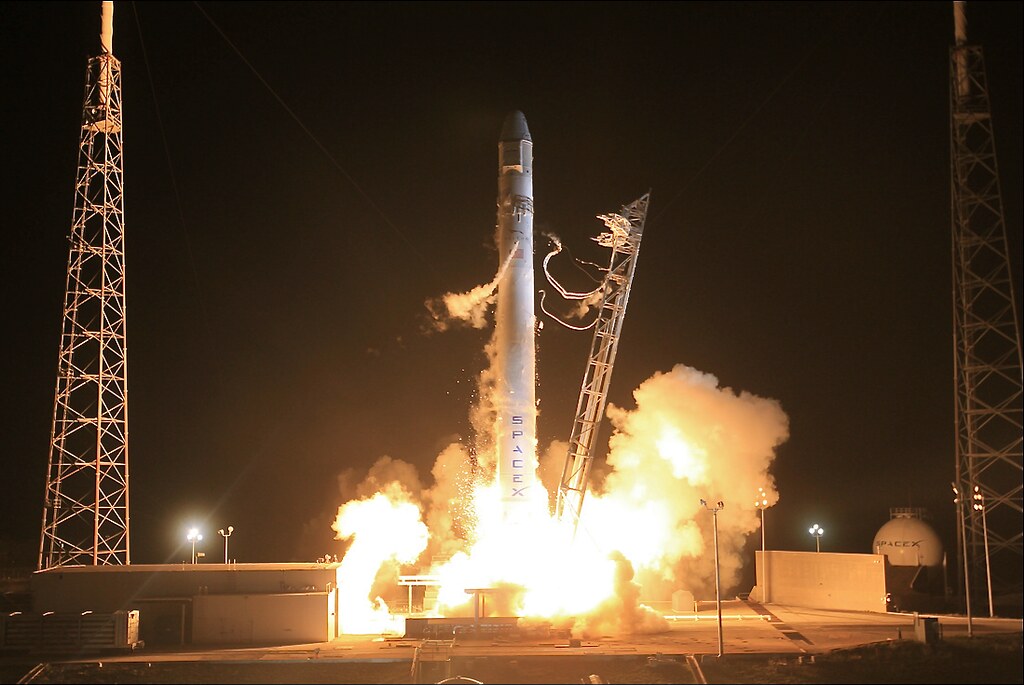
SpaceX astronaut launch is a remarkable achievement that highlights advancements in space travel. The recent mission successfully transported four astronauts to the International Space Station, showcasing the company’s commitment to space exploration.
Overview of the SpaceX launch
On a successful mission, SpaceX launched four astronauts to the International Space Station (ISS) early Wednesday morning. This marked another milestone for the private aerospace company, showcasing its ongoing commitment to crewed spaceflight. The crew, consisting of individuals from different backgrounds, embarked on a journey that highlights the importance of international collaboration in space exploration.
The launch took place from NASA’s Kennedy Space Center in Florida, utilizing the Falcon 9 rocket and the Crew Dragon spacecraft. This mission not only emphasizes SpaceX’s capabilities but also reinforces the pivotal role of commercial partners in supporting NASA’s goals. With a focus on safe and efficient travel, the astronauts will spend approximately six months aboard the ISS, conducting critical scientific research and experiments.
As the world watches this exciting SpaceX astronaut launch, the emphasis on safety and preparation has been evident, assuring families and enthusiasts alike that the mission will proceed smoothly. This successful launch is a significant step forward in humanity’s quest to explore and utilize space.
Meet the astronauts on board
The recent SpaceX astronaut launch has brought together a diverse and talented crew, each bringing unique expertise to their mission aboard the International Space Station (ISS).
- Dr. Jessica Watkins: A geologist and NASA astronaut, Dr. Watkins is making her first journey to the ISS. Her research focuses on planetary geology, which will be beneficial for future lunar and Mars missions.
- Tom Marshburn: A veteran astronaut and physician, Marshburn has previously flown on two other missions to the ISS. His extensive experience will be invaluable as he assists in scientific experiments during this mission.
- Kai E. M. Fischer: The first astronaut from Germany to launch on a SpaceX mission, Fischer is a trained pilot and engineer. His role includes overseeing the spacecraft’s systems during the journey.
- Akihiko Hoshide: This Japanese astronaut is returning to the ISS for the third time. Hoshide brings a wealth of knowledge in robotics and technology to the crew.
Each astronaut is eager to contribute to the success of the SpaceX astronaut launch and the ongoing research aboard the ISS.
Mission objectives and goals
The SpaceX astronaut launch successfully aimed to achieve several key objectives during its mission to the International Space Station (ISS). The primary goals included:
- Mission Crew Delivery: Transporting four astronauts to the ISS to support ongoing research and technology development.
- Scientific Research: Facilitating various scientific experiments that can only be conducted in a microgravity environment, advancing our understanding of space and its effects on human health.
- International Collaboration: Strengthening partnerships between NASA and international space agencies, promoting global cooperation in space exploration.
- Technology Demonstration: Testing SpaceX’s latest advancements in spacecraft design and operation, ensuring reliability for future missions.
By achieving these objectives, the SpaceX astronaut launch not only contributes to ongoing missions at the ISS but also paves the way for future exploration initiatives beyond low Earth orbit. The successful execution of this mission reinforces SpaceX’s commitment to safe and efficient space travel.
Previous SpaceX missions
SpaceX has established itself as a leader in space exploration through a series of successful missions. The company has launched numerous crewed and uncrewed spacecraft, making significant contributions to the International Space Station (ISS) program.
Some notable previous SpaceX missions include:
- Demo-1: The first uncrewed test flight of the Crew Dragon spacecraft, which successfully docked with the ISS in March 2019.
- Demo-2: The first crewed mission to the ISS, launched in May 2020, marking NASA’s return to human spaceflight from U.S. soil after almost a decade.
- Crew-1: The first operational crewed flight of the Crew Dragon, which launched in November 2020, carrying four astronauts to the ISS for a six-month mission.
These missions paved the way for the latest SpaceX astronaut launch, underscoring the company’s commitment to advancing human spaceflight and supporting ongoing research aboard the ISS.
Impact on future space travel
The recent SpaceX astronaut launch marks a significant milestone in the evolution of space travel, showcasing the capabilities of private companies in supporting international space missions. This successful mission has far-reaching implications for future endeavors in exploration and research.
As more private entities enter the space sector, the landscape of space travel is changing rapidly. The collaboration between governmental agencies and private companies like SpaceX is paving the way for:
- Increased accessibility: With reduced costs and more frequent launches, space travel may soon be available to a broader range of participants, including researchers and private individuals.
- Enhanced technology: The innovations developed through missions like this will likely lead to advancements in spacecraft design, safety, and efficiency.
- International collaboration: Missions to the International Space Station foster partnerships among countries, promoting shared knowledge and resources.
Ultimately, the success of the SpaceX astronaut launch is setting a precedent for a new era in space exploration, encouraging further investment and interest in the final frontier.
Challenges faced during the launch
The recent SpaceX astronaut launch faced several challenges that tested the resilience and expertise of the mission team. Throughout the countdown, engineers monitored weather conditions that posed potential risks to the launch schedule. High winds and unpredictable cloud cover were significant concerns, leading to extensive evaluations prior to liftoff.
In addition to weather-related issues, the crew had to navigate complex systems checks as part of their final preparations. Each astronaut underwent rigorous training to ensure they could respond effectively to any unexpected situations that might arise during the ascent. Technical glitches in communication systems were also reported, necessitating quick interventions to ensure seamless contact with mission control.
Moreover, the psychological readiness of the astronauts was paramount. They faced the pressure of being part of a historic SpaceX astronaut launch, which not only carried their lives but also the hopes of many who look to the stars. Despite these challenges, the launch team executed a flawless mission, demonstrating their capability and commitment to advancing human presence in space.
Public reception and excitement
The recent SpaceX astronaut launch has ignited a wave of excitement among space enthusiasts and the general public alike. Many people gathered at viewing sites, eagerly anticipating the moment when the Crew Dragon spacecraft lifted off from the launch pad.
Social media platforms were flooded with live updates, videos, and images of the launch, showcasing the enthusiasm surrounding this monumental event. Citizens expressed their hopes and admiration for the astronauts through various channels, demonstrating a growing interest in space exploration.
In particular, students and young aspiring astronauts were inspired by the mission, with many schools organizing watch parties to witness the SpaceX launch. This collective excitement highlights the enduring fascination with space travel and the role of private companies in advancing human exploration beyond Earth.
As the spacecraft approaches the International Space Station, the public eagerly awaits updates on the astronauts’ journey, reinforcing the importance of these missions in fostering a sense of unity and wonder in the exploration of the cosmos.
- Increased public interest in space
- Social media engagement
- Youth inspiration and education
Future plans for SpaceX
As SpaceX continues to revolutionize space travel, future plans for SpaceX include a series of ambitious missions aimed at expanding human presence in outer space. Following the successful SpaceX astronaut launch to the International Space Station, the company is set to enhance its capabilities and explore new frontiers.
Key initiatives on the horizon include:
- Manned lunar missions: SpaceX aims to collaborate with NASA on the Artemis program, which seeks to return humans to the Moon by the mid-2020s.
- Deep space exploration: With the development of the next-generation Starship, SpaceX intends to facilitate missions to Mars and beyond, paving the way for interplanetary travel.
- Commercial space travel: Plans are underway to offer private spaceflights, allowing civilians to experience space travel firsthand.
- Satellite deployment: Continued expansion of the Starlink satellite network aims to provide global internet coverage, enhancing connectivity for remote areas.
Through these initiatives, SpaceX is committed to pushing the boundaries of space exploration and maintaining its role as a leader in the aerospace industry.
By jurvetson via Openverse
1 thought on “SpaceX astronaut launch: Safe mission to International Space Station”