
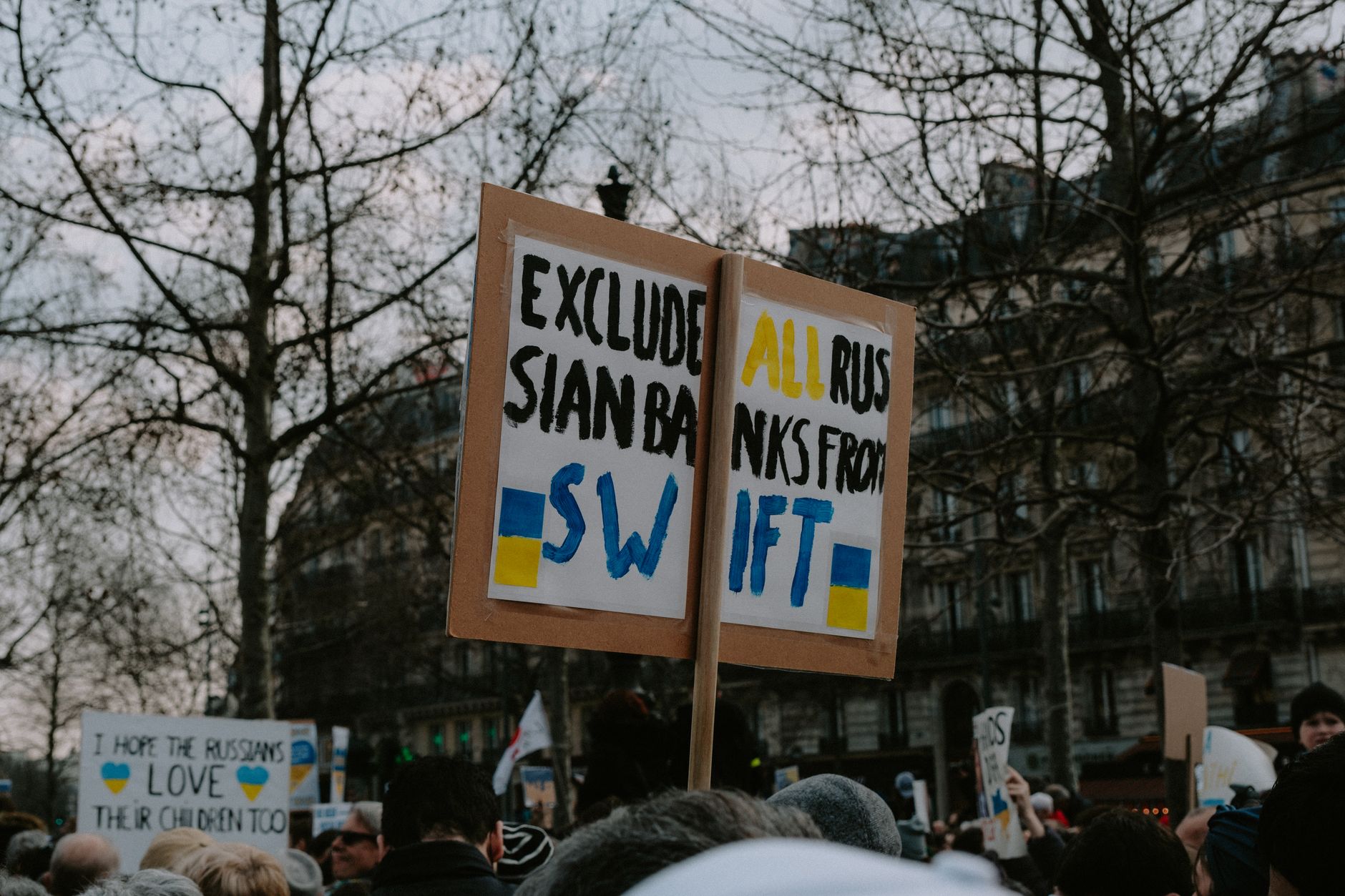
Russia sanctions law is a significant development in international relations, affecting trade policies and diplomatic ties. The recent signing by Trump raises questions about its implications for global markets.
Understanding the Russia sanctions law
The recent enactment of the Russia sanctions law has generated significant discourse regarding its implications for global trade dynamics. This legislation aims to impose stringent penalties on individuals and entities engaging in activities perceived as supporting the Russian government in its ongoing geopolitical conflicts.
Key aspects of the law include:
- Targeted Sanctions: The law specifically identifies Russian oligarchs and government officials for asset freezes and travel bans.
- Sectoral Sanctions: Industries such as energy, finance, and defense face restrictions, complicating international partnerships.
- Trade Barriers: The introduction of tariffs and import restrictions could disrupt established supply chains, affecting countries like India and China.
As nations grapple with compliance and retaliatory measures, the ripple effects on global trade are becoming increasingly apparent. Analysts warn that countries reliant on Russian energy resources may face significant challenges, highlighting the potential for emerging markets in Africa to fill the void left by traditional alliances.
Impact of sanctions on India and China
The recent Russia sanctions law has prompted significant repercussions for major economies such as India and China. Both nations are closely monitoring the evolving situation, as their trade relationships with Russia could be jeopardized.
India and China have historically maintained strategic partnerships with Russia, particularly in energy and defense sectors. However, the sanctions could alter this dynamic in several ways:
- Energy Imports: India and China may face challenges in securing oil and gas supplies from Russia, potentially leading to increased prices and supply shortages.
- Trade Restrictions: The sanctions could limit the ability of Indian and Chinese companies to engage in trade with Russian firms, affecting a range of industries.
- Investment Opportunities: As Western companies withdraw from Russia, India and China might find opportunities to invest, but they must navigate the legal implications of the sanctions law.
- Geopolitical Tensions: Aligning too closely with Russia could result in strained relations with Western nations, impacting India’s and China’s global standing.
Overall, the implications of the Russia sanctions law are far-reaching and complex, posing both risks and opportunities for India and China.
How Africa could become Putin’s energy network
The recent Russia sanctions law has reshaped the geopolitical landscape, prompting various nations to reevaluate their energy partnerships. Africa, rich in natural resources, may emerge as a pivotal player in this new dynamic. Several countries on the continent could potentially serve as hubs for Russian energy exports, thereby circumventing stringent sanctions imposed by Western nations.
- Increased energy collaboration: African nations may deepen ties with Russia, facilitating the transfer of oil and gas resources.
- Infrastructure development: Investments in infrastructure such as pipelines and refineries could foster stronger energy networks between Africa and Russia.
- Economic opportunities: This partnership may offer African countries a chance to boost their economies while providing Russia with alternative markets.
As the global energy market adapts to the realities of the Russia sanctions law, Africa stands at a crossroads, with the potential to play a crucial role in supporting Russia’s energy ambitions. This shift could have long-lasting implications for international trade relations and energy security worldwide.
The future of global trade amidst sanctions
The future of global trade is increasingly uncertain as the implications of the Russia sanctions law unfold. Countries around the world are grappling with the effects of these sanctions, which have led to significant shifts in trade dynamics. As nations like India and China navigate their economic relationships, they are faced with tough decisions regarding compliance and potential repercussions.
In this evolving landscape, several key factors will shape the future of global trade:
- Adaptation of trade routes: Countries may seek new trade partners to mitigate the impact of sanctions, leading to a reconfiguration of global supply chains.
- Increased energy prices: Sanctions on Russia’s energy exports could drive up prices, affecting economies worldwide and prompting a search for alternative energy sources.
- Regional alliances: Nations may strengthen bilateral agreements to counteract the effects of sanctions, fostering new economic coalitions.
- Legal challenges: Ongoing disputes regarding the legality of sanctions could lead to prolonged instability in global trade.
Ultimately, the Russia sanctions law will have lasting effects on international commerce, compelling countries to reassess their strategic priorities.
Photo by Mathias Reding on Pexels
References
Livemint · Russia Sanctions Act 2022
Sikkim State Lottery Result: Today’s Live Update on Winners · DUSU elections 2026: NOTA Sees Quick Rise with 23,942 Votes · Sexual Recovery After Breast Cancer: A Clear Path Forward
1 thought on “Russia sanctions law: The Worst Impact on Global Trade”