
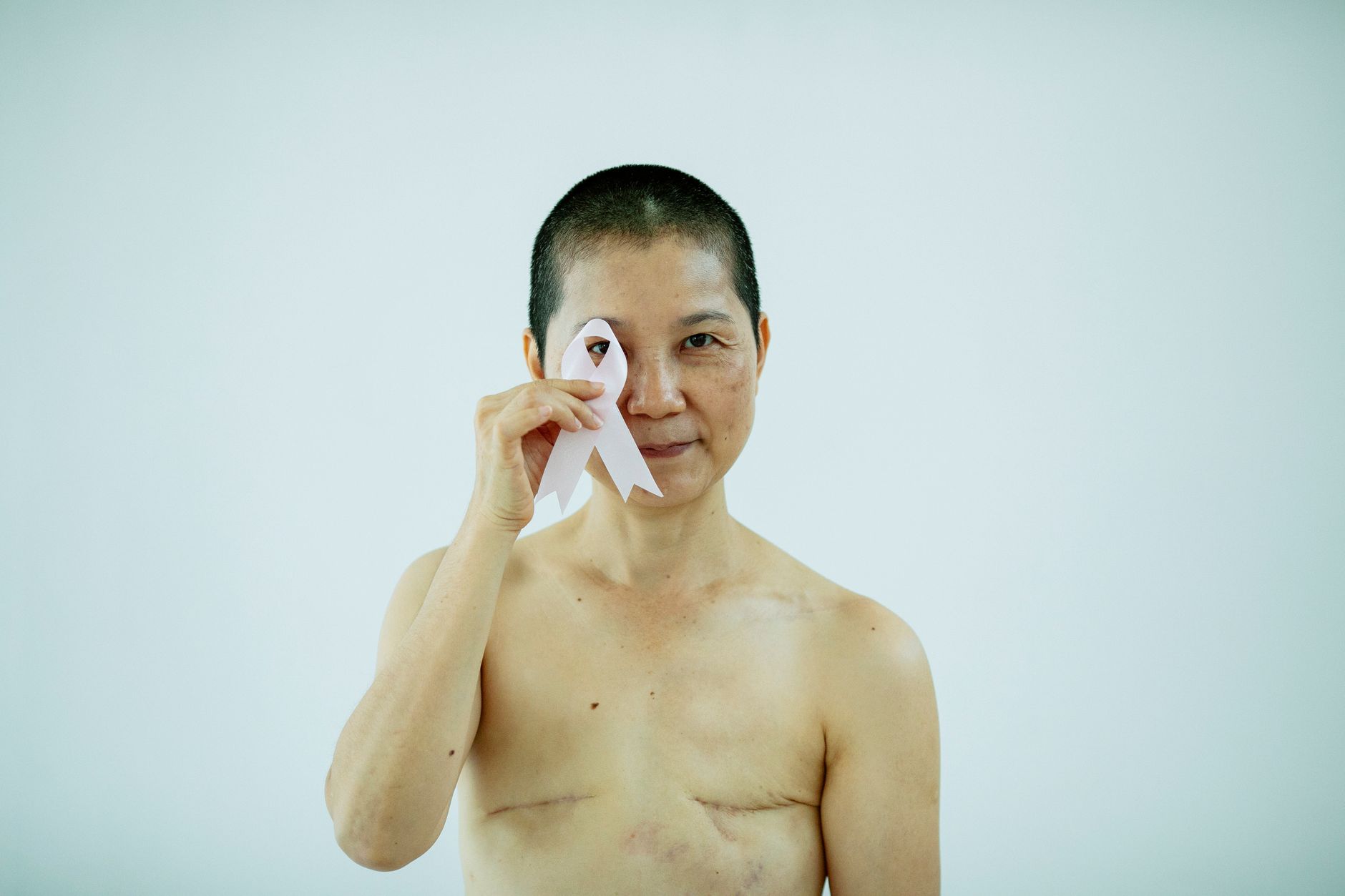
Sexual recovery after breast cancer is often overlooked, yet it plays a crucial role in the overall healing process. Many survivors face challenges that are rarely addressed, leading to a gap in support and resources.
Understanding Sexual Recovery
Understanding sexual recovery after breast cancer is crucial for many survivors who may face unexpected challenges. The physical and emotional impacts of breast cancer treatment can significantly affect intimacy and sexual health.
It is essential for survivors to recognize that they are not alone in this journey. Many women experience changes in their bodies, such as:
- Altered body image
- Hormonal fluctuations
- Physical discomfort or pain during intimacy
These factors can lead to feelings of anxiety or inadequacy, making it difficult to engage in sexual relationships. Open communication with partners about these changes is vital. In addition, seeking support from healthcare professionals can provide valuable resources and strategies for enhancing sexual recovery after breast cancer.
Furthermore, exploring various forms of intimacy, such as emotional connection and non-sexual affection, can help couples navigate this transitional phase. Understanding and addressing these concerns can pave the way for a fulfilling sexual recovery and a renewed sense of intimacy.
Challenges Faced by Survivors
Breast cancer survivors often encounter various challenges that can hinder their journey toward sexual recovery. The physical and emotional aftermath of treatment may leave many feeling disconnected from their bodies and intimate relationships.
- Physical Changes: Surgical procedures, hormonal therapies, and radiation can lead to changes such as reduced libido, vaginal dryness, and discomfort during intercourse.
- Emotional Impact: Survivors may experience anxiety, depression, and a diminished sense of femininity, all of which can affect sexual desire and intimacy.
- Communication Gaps: Many women find it difficult to discuss their needs and feelings with partners, which can create barriers to intimacy and exacerbate feelings of isolation.
- Lack of Resources: There is often a lack of comprehensive information or support regarding sexual recovery after breast cancer, leaving survivors unsure of how to navigate their new realities.
Addressing these challenges is crucial for promoting a fulfilling sexual recovery after breast cancer, enabling survivors to reclaim their sense of self and intimacy.
Importance of Open Conversations
Open conversations about sexual recovery after breast cancer are crucial for both survivors and their partners. These discussions can foster understanding, create safe spaces, and help address the emotional and physical changes that may arise during recovery.
Many survivors feel isolated or embarrassed when it comes to discussing their sexual health, leading to a lack of support. By normalizing these conversations, healthcare providers can empower patients to express their needs and concerns. This approach not only enhances the survivor’s quality of life but also strengthens intimate relationships.
Here are some key points to consider when initiating these conversations:
- Be Honest: Share feelings and experiences openly to foster mutual understanding.
- Educate: Learn about the potential physical changes and how they may affect intimacy.
- Seek Support: Consider involving healthcare professionals, like therapists or sexual health experts.
- Be Patient: Understand that recovery is a process, and comfort levels may change over time.
Ultimately, prioritizing open dialogues can significantly enhance sexual recovery after breast cancer.
Resources for Support and Healing
Recovering from breast cancer can be a complex journey, especially when it comes to sexual recovery after breast cancer. Fortunately, there are numerous resources available to support individuals during this challenging time.
Here are some valuable resources that can aid in the healing process:
- Support Groups: Connecting with others who share similar experiences can provide emotional support and practical advice.
- Therapists Specializing in Oncology: Professional help from therapists who understand the unique challenges faced by breast cancer survivors can be crucial.
- Sexual Health Clinics: These clinics offer specialized services to address sexual health concerns and provide guidance on recovery.
- Educational Materials: Books and articles focused on sexual recovery after breast cancer can help survivors better understand their experiences and options.
- Online Forums: Virtual communities allow for sharing experiences and tips in a supportive environment.
Utilizing these resources can foster a path toward healing and a renewed sense of intimacy.
Photo by Michelle Leman on Pexels
Sources
Pixel Drop update: Best improvements for VIP contacts widget · AI movement Washington: The Wrong Beliefs Driving Fear · Android 17 update: Is it the best One UI 9 rollout yet?
1 thought on “Sexual Recovery After Breast Cancer: A Clear Path Forward”