
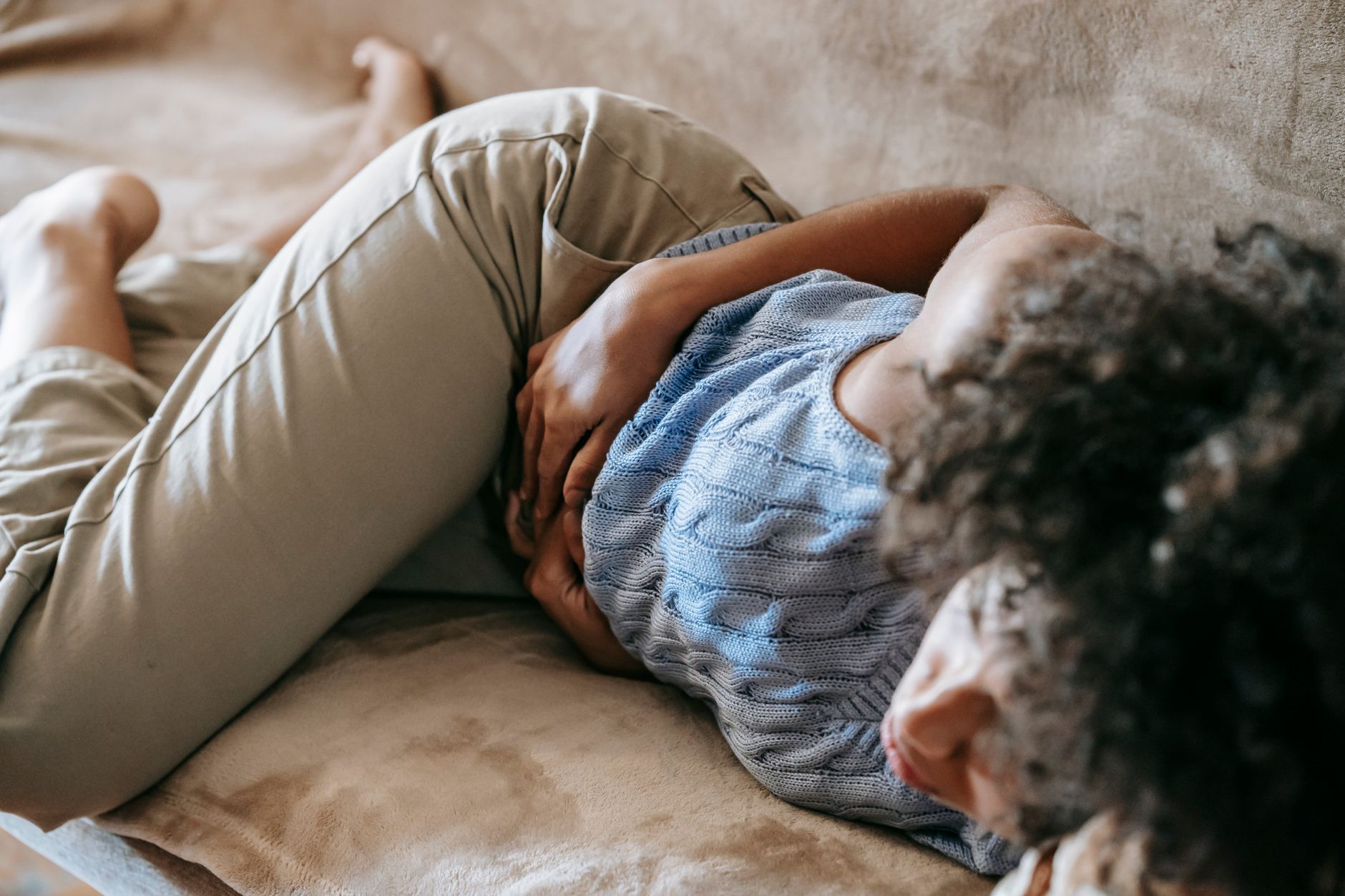
Is my period pain normal? Understanding what constitutes typical menstrual discomfort can help you determine if your symptoms require medical attention.
Understanding Period Pain
Many individuals experience period pain, but the question remains: is period pain normal? Understanding the nature of this discomfort can help alleviate concerns.
Period pain, also known as dysmenorrhea, varies in intensity and duration among individuals. It is generally categorized into two types:
- Primary dysmenorrhea: This type is common and arises from natural physiological processes, typically starting a day or two before menstruation and lasting for a few days.
- Secondary dysmenorrhea: This is caused by underlying health issues, such as endometriosis or fibroids, and may occur at any time during the menstrual cycle.
While some cramping and discomfort can be expected, severe pain that disrupts daily activities is not considered normal. It’s essential to consult with a healthcare professional if symptoms are concerning. Understanding what is typical for your body can empower you in managing your menstrual health effectively.
Common Causes of Menstrual Discomfort
Many individuals experience menstrual discomfort, leading to the question of whether period pain is normal. Understanding the common causes can provide clarity and reassurance.
- Hormonal fluctuations: The rise and fall of hormones like estrogen and progesterone can lead to cramps and discomfort.
- Uterine contractions: During menstruation, the uterus contracts to help shed its lining, which can cause pain.
- Endometriosis: This condition occurs when tissue similar to the uterine lining grows outside the uterus, leading to severe pain during periods.
- Fibroids: Non-cancerous growths in the uterus can also contribute to increased pain and heavier bleeding.
- Pelvic inflammatory disease (PID): An infection of the reproductive organs can cause chronic pain and discomfort.
While some discomfort is expected, it’s essential to consult a healthcare provider if the pain is severe or debilitating, as this may indicate an underlying condition.
When to Seek Medical Advice
While some level of discomfort during menstruation can be considered normal, there are certain signs that indicate it might be time to seek medical advice. Understanding when period pain is not typical is crucial for your health.
If you experience any of the following symptoms, it’s advisable to consult a healthcare professional:
- Severe pain that disrupts your daily activities.
- Pain that worsens over time rather than improving.
- Unusual bleeding, such as heavy bleeding or clotting.
- Symptoms accompanied by fever, nausea, or vomiting.
- Chronic pain that persists in between periods.
Remember, while some discomfort is part of the menstrual cycle, not all period pain is normal. Consulting a healthcare provider can help ensure that any underlying issues are addressed.
Coping Strategies for Pain Relief
Coping with period pain can be challenging, but there are several strategies that may help alleviate discomfort. Many individuals wonder if period pain is normal, and while some discomfort is common, effective coping methods can make a significant difference.
Consider the following strategies for pain relief:
- Heat therapy: Applying a heating pad or hot water bottle to your lower abdomen can relax muscles and reduce cramps.
- Over-the-counter medications: Pain relievers such as ibuprofen or naproxen can help reduce inflammation and alleviate discomfort.
- Physical activity: Engaging in light exercise, such as walking or yoga, can release endorphins and improve your mood.
- Dietary changes: Incorporating anti-inflammatory foods, such as fruits, vegetables, and whole grains, can support overall health and potentially lessen pain.
- Relaxation techniques: Practices such as deep breathing, meditation, or gentle stretching can help manage stress and improve pain tolerance.
The Role of Hormones in Period Pain
Hormones play a crucial role in the experience of period pain, often determining the severity and nature of symptoms. During the menstrual cycle, the body produces various hormones, including estrogen and progesterone, which fluctuate significantly. These hormonal changes can lead to increased sensitivity in the uterus, causing contractions that are often painful.
Additionally, prostaglandins, which are hormone-like substances, are released to help the uterus shed its lining. High levels of prostaglandins can lead to more intense cramps, making some individuals wonder if period pain is normal. However, it’s important to recognize that while some discomfort is typical, severe pain may indicate underlying issues.
Understanding the hormonal influences on menstrual discomfort can be beneficial in managing symptoms. By staying informed, individuals can better navigate their experiences and seek appropriate relief strategies when necessary.
- Estrogen and progesterone levels fluctuate during the cycle.
- Prostaglandins contribute to uterine contractions.
Myths About Menstrual Pain
Period pain is often shrouded in myths that can lead to misunderstandings about what is considered normal. Many believe that severe menstrual pain is a common aspect of menstruation, but this isn’t always true. Here are some prevalent myths:
- Myth 1: All women experience debilitating cramps.
- Myth 2: Period pain is just something women have to endure.
- Myth 3: If you can’t bear the pain, you should just tough it out.
- Myth 4: Painful periods are a sign of fertility issues.
- Myth 5: Over-the-counter medication is always enough to manage pain.
In reality, while some discomfort is normal, severe pain can indicate underlying health issues. Recognizing these myths can help women better understand their bodies and seek appropriate care.
Expert Opinions on Period Pain
Experts emphasize that experiencing period pain is a common aspect of menstruation, and for many, it is considered normal. Dr. Jane Smith, a gynecologist, notes that while some discomfort is typical, the intensity can vary significantly among individuals.
According to Dr. Smith, the presence of severe pain or symptoms that disrupt daily life may indicate underlying issues, such as endometriosis or fibroids. She advises women to monitor their symptoms closely and seek medical advice if the pain is debilitating.
Dr. Emily Johnson, a reproductive health specialist, adds that understanding one’s body is crucial. “While some level of pain is normal, it’s important to differentiate between typical menstrual cramps and more serious conditions,” she explains. She encourages open discussions with healthcare providers to ensure that any concerns regarding period pain are addressed.
Ultimately, recognizing the spectrum of menstrual discomfort can empower women to seek support and better understand their health.
Understanding whether period pain normal is crucial for recognizing what symptoms require medical attention. Many women experience varying degrees of discomfort, but knowing when period pain normal crosses into something more concerning can help in managing your health.
Photo by Sora Shimazaki on Pexels
1 thought on “Period Pain Normal? The Honest Truth About Your Symptoms”