
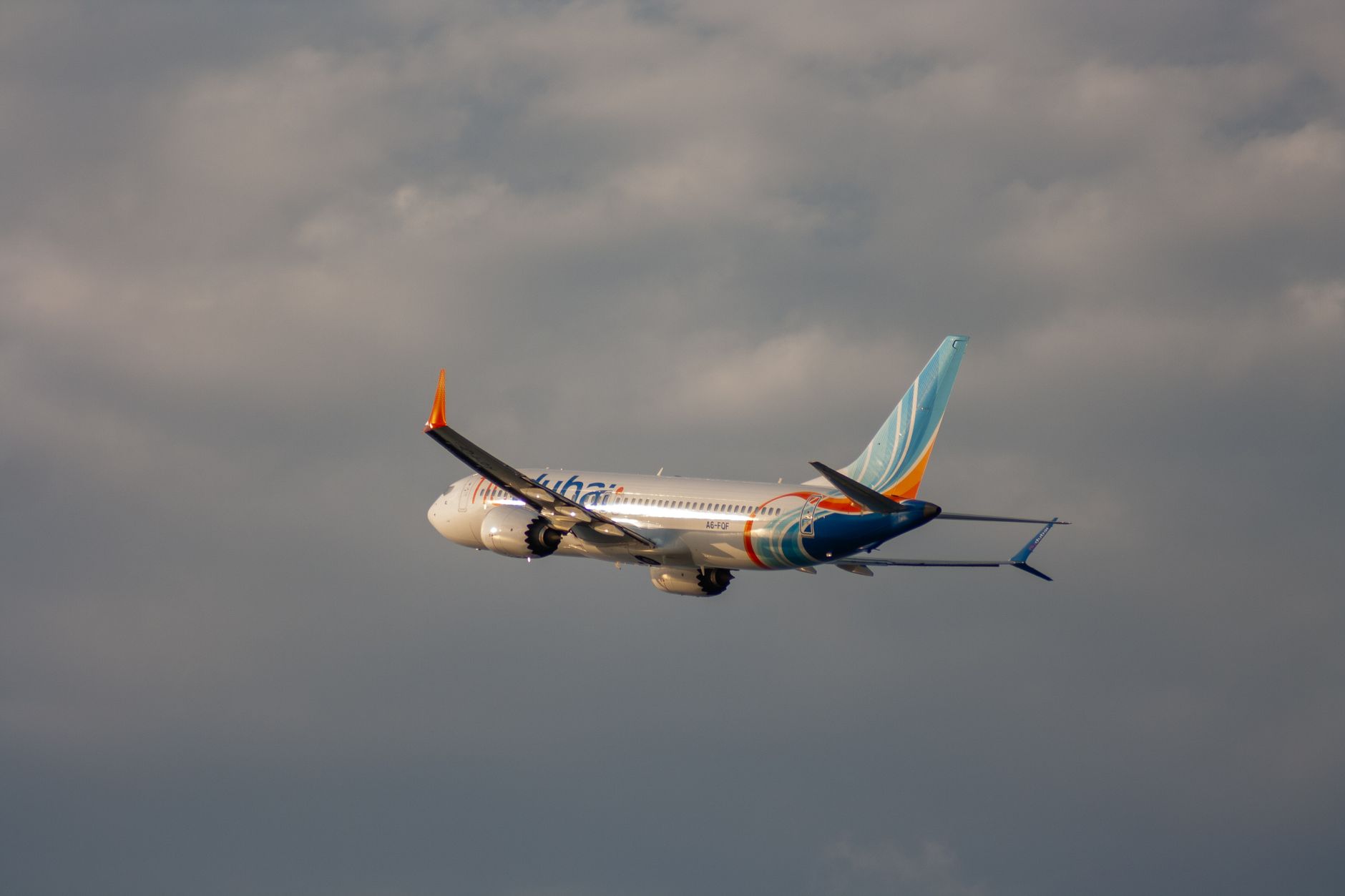
Israel flydubai plane hijack incidents have raised significant security concerns. The recent scramble of jets to address this situation highlights the urgency and seriousness of aviation safety in the region.
Background of the flydubai incident
The recent incident involving the flydubai plane hijack has raised serious concerns regarding air security in the region. On an ordinary flight, passengers were taken by surprise when a situation unfolded, prompting immediate action from authorities. Understanding the context of this event is crucial for grasping the larger implications.
On the day of the incident, the aircraft was en route to its destination when reports emerged of a potential hijacking. Passengers onboard experienced heightened anxiety as the crew worked to manage the situation. Following standard protocols, the airline reported the incident to the relevant authorities, triggering a swift response from Israeli military forces.
The Israeli Air Force scrambled jets to intercept the flydubai plane, ensuring that the safety of those onboard and the surrounding airspace was prioritized. It was a demonstration of the country’s commitment to countering threats swiftly and effectively. As details unfolded, it became clear that the quick thinking of the crew and the rapid military response were pivotal in averting potential disaster.
This incident serves as a reminder of the ongoing security challenges in the region and the need for constant vigilance in air travel.
Israel’s military response
In response to the recent Israel flydubai plane hijack scare, the Israeli military deployed fighter jets to intercept the aircraft mid-flight. This swift action highlighted the nation’s commitment to ensuring the safety of its airspace and citizens.
Officials reported that the plane, which was en route to Dubai, had a potential security threat on board. As soon as the hijacking was suspected, the Israeli Air Force was alerted, and jets were scrambled to assess the situation. The rapid deployment of military resources underscores Israel’s proactive approach to aviation security, especially in a region often marked by geopolitical tensions.
According to military sources, the decision to scramble jets was made after intelligence indicated a possible escalation of the situation. The presence of military aircraft served as a deterrent and provided a necessary protective measure for the passengers and crew aboard the flydubai flight.
The incident has sparked discussions regarding the protocols in place for handling such threats and whether further measures are needed to enhance aviation safety. Israeli officials continue to evaluate the circumstances surrounding the flydubai plane hijack incident, aiming to prevent similar occurrences in the future.
Impact on aviation security
The recent Israel flydubai plane hijack incident has prompted significant discourse regarding aviation security protocols. In light of the attempted hijacking, experts are urging for a reassessment of current security measures at airports worldwide.
Increased scrutiny is expected to be placed on passenger screening processes and the use of advanced technology to detect potential threats. Authorities are likely to implement enhanced training for airline staff and security personnel, ensuring they are equipped to handle similar situations effectively.
Key areas of focus include:
- Passenger Profiling: Developing more sophisticated profiling techniques to identify individuals who may pose a threat.
- In-flight Security: Increasing the presence of air marshals on commercial flights to deter potential hijackers.
- Collaboration: Strengthening international cooperation among airlines and governments to share intelligence and best practices.
As the repercussions of the flydubai incident unfold, the aviation industry may see an overhaul in safety regulations. Stakeholders are keen to ensure that the safety of passengers remains the top priority, and that incidents like this do not undermine public confidence in air travel.
Eyewitness accounts of the event
Eyewitness accounts from passengers aboard the flydubai plane during the hijack incident reveal moments of terror and confusion. Many described the atmosphere as tense, with passengers fearing for their lives as the situation unfolded.
One passenger, who wished to remain anonymous, recounted the scene: “We heard shouting and saw a commotion in the cabin. People were scared, and we didn’t know what was happening at first.” Another traveler, sitting near the front of the aircraft, stated, “It was a nightmare. We were all just praying that everything would be okay and that the authorities would handle it swiftly.”
Several individuals reported that the crew remained remarkably composed during the ordeal. “The flight attendants did their best to keep everyone calm,” said a frequent flyer who was on board. “They communicated clearly and reassured us that help was on the way.”
As the situation escalated, some passengers expressed relief upon hearing the sound of Israeli jets scrambling to intercept the flydubai plane, signaling a rapid response from the military. “We felt a wave of hope,” remarked another eyewitness. “Finally, we knew we were not alone in this.”
Future implications for airline safety
The recent Israel flydubai plane hijack incident has raised significant concerns regarding the future of airline safety, prompting a reevaluation of existing security protocols worldwide. As governments and aviation authorities analyze the event, several implications have emerged that could reshape the aviation landscape.
One of the primary focuses will be on enhancing passenger screening processes. Authorities may implement advanced security technologies and stricter regulations to ensure that potential threats are identified before boarding. This could include:
- Increased use of biometric verification systems.
- Comprehensive baggage scanning techniques.
- Enhanced training for security personnel in threat detection.
Moreover, the incident underscores the necessity for improved international cooperation among nations in sharing intelligence and security practices. As airlines operate across borders, a unified approach to security is vital.
Furthermore, airlines may invest heavily in crisis management training for their staff, ensuring they are well-prepared to handle emergencies effectively. The Israel flydubai plane hijack will likely serve as a catalyst for change, driving innovation and stricter measures to safeguard passengers and restore confidence in air travel.
The Israel flydubai plane hijack has raised significant concerns about aviation security protocols. Authorities are now reviewing measures to prevent any future incidents similar to the Israel flydubai plane hijack.
Photo by Alexander Gluschenko on Pexels
1 thought on “Israel flydubai plane hijack: A Clear Security Response”