
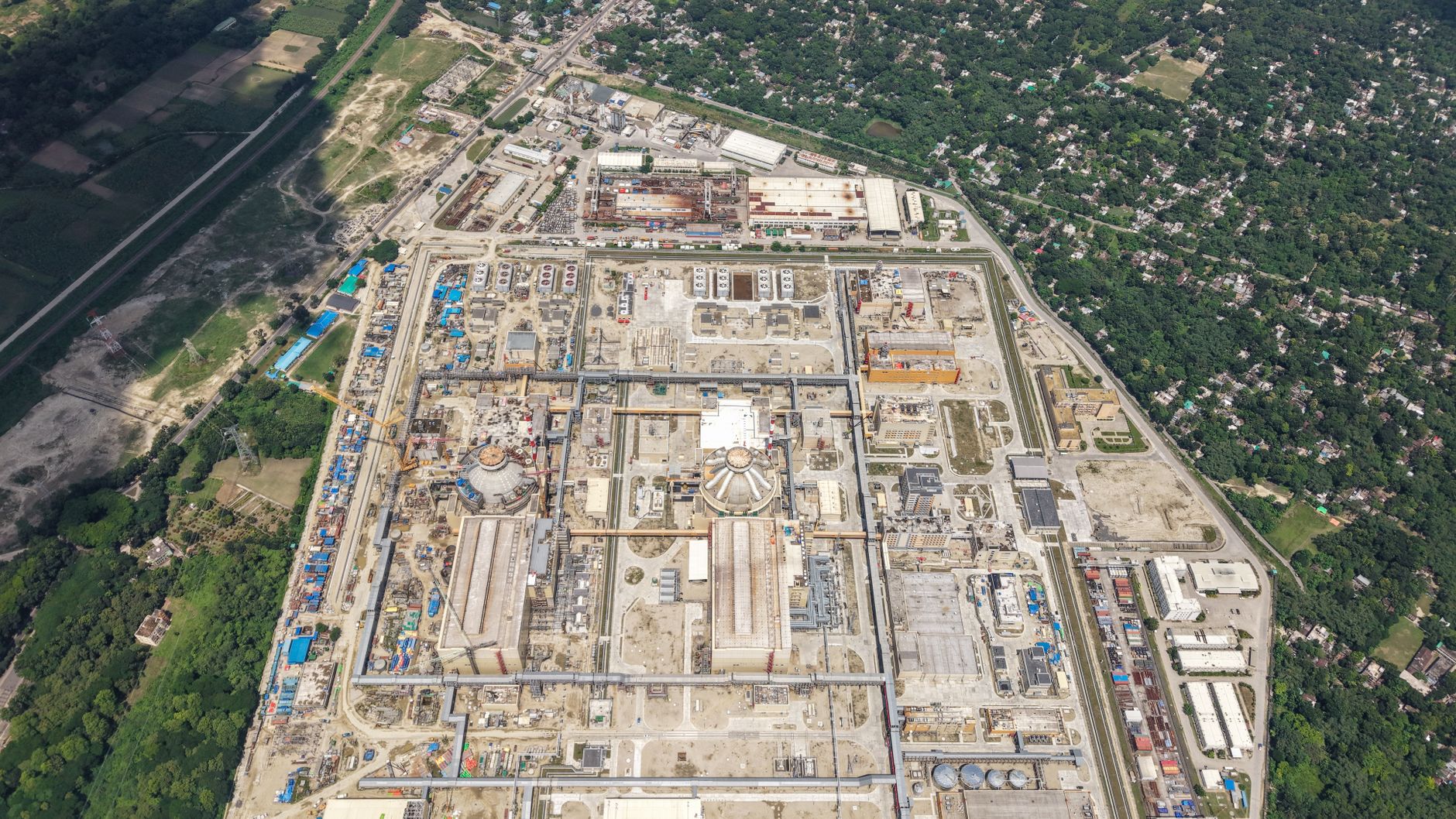
Iran nuclear proposal is currently being reviewed as the country assesses the US’s offer amid ongoing tensions. A response is expected in the coming days, which could impact future negotiations.
Understanding the Iran Nuclear Proposal
The ongoing negotiations surrounding the Iran nuclear proposal have become a focal point in international diplomacy. As both sides grapple with complex issues, understanding the underlying factors is crucial.
In recent developments, Iran announced that it is actively reviewing a proposal put forth by the United States. This comes amid a backdrop of strained relations and escalating tensions surrounding nuclear capabilities. The proposal aims to address key concerns regarding Iran’s nuclear program, which has been a point of contention for years.
Among the main elements of the Iran nuclear proposal are:
- Uranium Enrichment Levels: The proposal seeks to limit Iran’s uranium enrichment to levels suitable for civilian use, reducing the risk of developing nuclear weapons.
- Inspections and Transparency: Increased inspections by the International Atomic Energy Agency (IAEA) are proposed to ensure compliance with international agreements.
- Sanctions Relief: In exchange for concessions, the proposal outlines a phased approach to lifting economic sanctions that have severely impacted Iran’s economy.
While Iran’s response is anticipated within days, experts caution that reaching a consensus may still prove challenging. The historical context of mistrust and geopolitical dynamics complicates the situation. As the world waits, the Iran nuclear proposal remains a crucial element in the broader discourse on peace and stability in the region.
Current Status of US-Iran Relations
The current status of US-Iran relations remains tense as both nations navigate the complexities of the ongoing nuclear dispute. Following recent discussions, Iran has indicated that it is reviewing the US proposal concerning its nuclear program. This proposal is part of broader negotiations aimed at curbing Iran’s nuclear ambitions and ensuring regional stability.
In light of the Iran nuclear proposal, several key factors influence the dynamics between the two countries:
- Diplomatic Engagement: Despite the challenges, there have been intermittent efforts to engage diplomatically. Both sides are under pressure to reach a consensus that could lead to a de-escalation of tensions.
- International Pressure: The global community, particularly European allies, is advocating for a resolution to the dispute. There is a collective hope that a compromise can pave the way for more constructive dialogue.
- Domestic Politics: Internal political considerations within both the US and Iran complicate the situation. Leaders must balance national interests with public opinion, making negotiations more intricate.
As Iran reviews the US proposal, a response is expected within days, which could either lead to renewed discussions or further entrench the current stalemate. The outcome of this review will play a crucial role in shaping the future of US-Iran relations and the potential for a resolution to the nuclear dispute.
Key Players in the Nuclear Dispute
The ongoing dispute surrounding the Iran nuclear proposal involves several key players, each with their own interests and agendas. Understanding their roles is essential to grasp the complexities of the situation.
- Iran: As the primary nation involved, Iran seeks to maintain its sovereignty while advancing its nuclear program for peaceful purposes. The government insists its nuclear ambitions are not aimed at weaponization, despite international concerns.
- United States: The U.S. plays a crucial role in the negotiations, advocating for stringent measures to prevent Iran from developing nuclear weapons. Washington’s approach has included sanctions and diplomatic pressure aimed at curbing Tehran’s nuclear activities.
- European Union: The EU functions as a mediator in the negotiations, working to bridge the gap between the U.S. and Iran. European nations have expressed a desire to preserve the nuclear agreement framework and promote dialogue.
- International Atomic Energy Agency (IAEA): The IAEA monitors Iran’s nuclear program, ensuring compliance with international regulations. Its assessments are vital for maintaining transparency and trust among negotiating parties.
As the situation evolves, the responses from these key players will significantly impact the future of the Iran nuclear proposal and the broader geopolitical landscape.
Timeline of Iran’s Nuclear Program
The timeline of Iran’s nuclear program has been marked by significant milestones that reflect the complexities of the ongoing dispute. The following points highlight key events:
- 1957: The United States and Iran sign a bilateral agreement for peaceful nuclear cooperation, marking the beginning of Iran’s interest in nuclear technology.
- 1979: The Iranian Revolution leads to the halt of several nuclear projects, as the new government shifts focus away from Western influence.
- 2002: The existence of undisclosed nuclear sites is revealed, sparking international concerns and prompting investigations by the International Atomic Energy Agency (IAEA).
- 2006: Iran resumes uranium enrichment, escalating tensions and leading to the imposition of economic sanctions by the United Nations.
- 2015: The Joint Comprehensive Plan of Action (JCPOA) is signed, aiming to limit Iran’s nuclear program in exchange for the lifting of sanctions.
- 2018: The United States withdraws from the JCPOA, leading Iran to gradually step back from its commitments under the agreement.
- 2021: Negotiations to revive the JCPOA commence, with multiple rounds of talks highlighting the challenges in reaching a consensus.
- 2023: Iran reviews a new US proposal amid ongoing disputes, with expectations for a response in the coming days.
The convoluted history of Iran’s nuclear program continues to shape the current landscape of international relations and negotiations surrounding the Iran nuclear proposal.
Reactions from Global Leaders
As the Iran nuclear proposal continues to dominate international headlines, reactions from global leaders have varied significantly, reflecting the complex geopolitical landscape surrounding the issue.
Many countries urge for a diplomatic resolution, with several leaders expressing cautious optimism regarding Iran’s review of the U.S. proposal.
- European Union: The EU has reiterated its commitment to the Joint Comprehensive Plan of Action (JCPOA), emphasizing the need for Iran to return to compliance. EU officials are hopeful that the ongoing discussions can pave the way for a renewed agreement.
- Russia: Russia has voiced support for Iran’s position, calling for an end to sanctions that hinder the country’s economic stability. Russian diplomats stress the importance of mutual respect in the negotiations.
- China: China has urged all parties to exercise restraint and focus on dialogue. Chinese leaders have highlighted the need for a balanced approach that addresses the concerns of both Iran and the U.S.
- Israel: In contrast, Israel remains skeptical about the potential outcomes of the Iran nuclear proposal, fearing that any concessions might lead to greater regional instability. Israeli officials have emphasized the importance of a robust monitoring system.
As nations await Iran’s official response, the world watches closely, hoping for a breakthrough that could reshape the future of nuclear diplomacy in the region.
Potential Outcomes of the Proposal
The ongoing discussions surrounding the Iran nuclear proposal have significant implications for both regional stability and international relations. As Iran reviews the latest US proposal, several potential outcomes could emerge from these negotiations.
- Positive Diplomatic Resolution: If both sides find common ground, a renewed commitment to the Joint Comprehensive Plan of Action (JCPOA) could be established. This would likely lead to sanctions relief for Iran and a more stable Middle East.
- Increased Tensions: Should Iran reject the proposal, it may choose to advance its nuclear program further, heightening tensions with the US and its allies. This could result in a stronger military presence in the region and increased risk of conflict.
- International Mediation: A stalemate might prompt other global powers to intervene, seeking to mediate discussions. Countries such as Russia and China could play crucial roles in facilitating dialogue between the US and Iran.
- Domestic Impact: The outcome of the negotiations will also impact Iran’s internal politics. A favorable response to the proposal could bolster the current administration, while a negative one may lead to unrest among the populace.
As the world awaits Iran’s response, the direction of these talks remains uncertain, highlighting the complex nature of the nuclear dispute.
Public Opinion on Nuclear Negotiations
As the Iran nuclear proposal continues to unfold, public opinion on the negotiations remains divided. In recent surveys, a significant portion of the population expressed skepticism regarding the efficacy of the talks, while others show cautious optimism about potential outcomes.
Key factors influencing public sentiment include:
- Historical Context: Many citizens recall the prolonged tensions between Iran and Western nations, particularly the United States. This history fosters distrust in the negotiation process.
- Economic Impact: The Iranian economy has suffered under sanctions, leading many to view the nuclear negotiations as a crucial opportunity for relief. Public opinion often sways towards supporting agreements that promise economic benefits.
- Security Concerns: Discussions around nuclear capabilities have raised alarm among the populace about regional security. Many fear that any concessions could lead to increased instability, affecting Iran’s standing in the Middle East.
Moreover, social media has become a platform for diverse opinions, with many Iranians voicing their concerns and hopes for the future. The role of public opinion is significant as it may influence government decisions in the face of international pressure.
Despite varying perspectives, it is clear that the Iran nuclear proposal will continue to shape not only diplomatic relations but also the sentiments of ordinary citizens as they navigate the complexities of ongoing negotiations.
Future of US-Iran Diplomacy
The future of US-Iran diplomacy hinges on the ongoing negotiations surrounding the Iran nuclear proposal, a topic that remains a focal point in international relations. As both nations navigate a complex web of historical grievances and geopolitical interests, the potential for renewed dialogue appears both promising and precarious.
Recent statements from Iranian officials indicate that they are actively reviewing the US proposal, with a response anticipated within days. This period of reflection is critical, as it may determine whether diplomacy can pave the way for a more stable relationship or whether tensions will escalate further.
- Engagement Strategies: The US continues to explore avenues for engagement, emphasizing the importance of a diplomatic resolution that addresses not only nuclear concerns but also regional stability.
- Domestic Pressure: Both countries face domestic pressures that complicate negotiations. In the US, political factions have differing views on how to approach Iran, while Iran grapples with economic challenges exacerbated by sanctions.
- International Support: The role of international allies remains crucial, as countries like China and Russia advocate for a balanced approach, urging both sides to return to the negotiating table.
As the world watches closely, the outcome of this latest round of discussions could significantly shape the future of US-Iran relations and the broader landscape of nuclear non-proliferation efforts.
The Iran nuclear proposal has sparked intense debates among world leaders regarding its implications for regional security. As negotiations continue, many are seeking clarity on the Iran nuclear proposal’s potential impact on global non-proliferation efforts.
Photo by Sarowar Hussain on Pexels
Read the original
Indian Air Force Future: Smart Insights on What’s Next · US Deportations: Worst Impact on Migrants in Africa · Samsung third-quarter profit hits record with proven AI boost
1 thought on “Iran Nuclear Proposal: Clear Insights on Ongoing Dispute”