
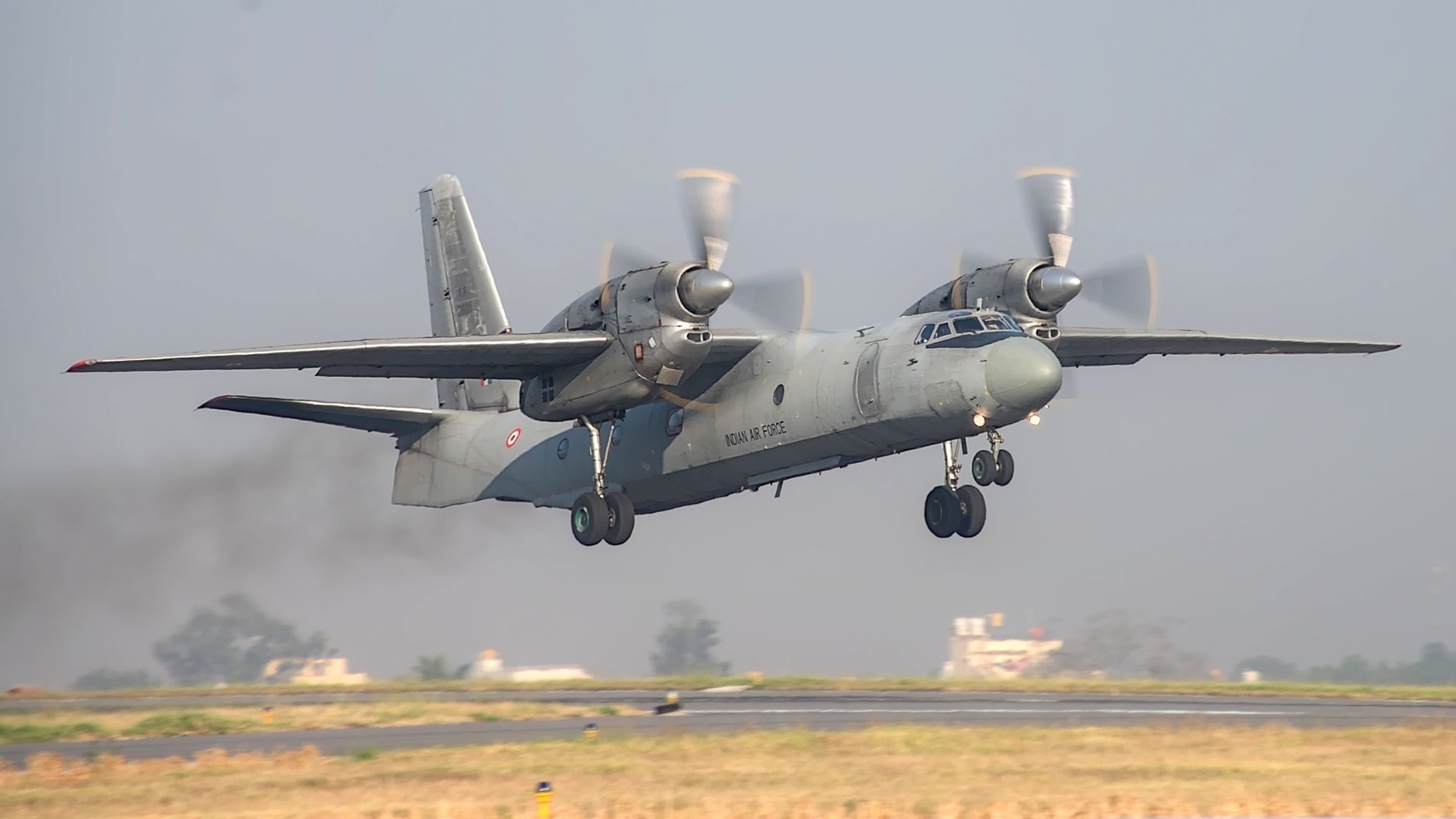
Indian Air Force future is being redefined as it looks beyond fighter jets. At 94, the organization is considering innovative advancements.
The Evolution of Indian Air Force
The Indian Air Force (IAF), celebrating its 94th anniversary, is at a pivotal moment in its evolution. As the country faces emerging threats and challenges, the IAF is reimagining its future, moving beyond traditional fighter jets to embrace advanced technologies.
Historically, the IAF has played a crucial role in safeguarding the nation’s airspace and supporting ground operations. However, the landscape of warfare is changing, leading to a strategic pivot. The focus is shifting towards:
- Unmanned Aerial Vehicles (UAVs): The integration of drones is becoming vital. UAVs provide crucial reconnaissance capabilities and can be deployed in combat scenarios without risking pilot lives.
- Cyber Warfare: The IAF recognizes the need to strengthen its cyber capabilities. As digital warfare grows, securing communication networks and data integrity is essential.
- Artificial Intelligence (AI): The incorporation of AI is set to revolutionize operational strategies. From predictive maintenance to enhanced decision-making, AI will play a significant role in future missions.
- Joint Operations: Collaboration with other branches of the military and allied forces is vital for a comprehensive defense strategy, highlighting a shift towards integrated warfare.
As the Indian Air Force looks ahead, these innovations are critical for ensuring a robust defense posture in an increasingly complex global security environment.
Current Capabilities and Limitations
The Indian Air Force (IAF) has undergone significant transformation over the past decades, enhancing its capabilities to meet modern threats. Currently, the IAF boasts a diverse fleet, including advanced fighter jets, transport aircraft, and helicopters. However, despite these advancements, there are notable limitations that the IAF must address to secure its future.
One major capability of the IAF is its array of fighter jets, which includes the indigenous Tejas and the upgraded versions of Mirage and Sukhoi aircraft. These aircraft are vital for air superiority and ground support missions. Additionally, the IAF has invested in intelligence, surveillance, and reconnaissance (ISR) systems, which are crucial for strategic decision-making.
Nevertheless, the IAF faces several challenges. Budget constraints often hinder the acquisition of new technology and modernization efforts. Furthermore, the rapid pace of technological advancements in warfare demands that the IAF not only upgrade its existing fleet but also explore new domains.
- Limited indigenous manufacturing capabilities
- Inadequate number of air-to-air refueling tankers
- Growing demand for cyber and space capabilities
As the IAF looks to the future, addressing these limitations will be crucial for ensuring its operational effectiveness and maintaining air dominance in an evolving defense landscape.
Innovations on the Horizon
The Indian Air Force (IAF) is poised for significant innovations as it looks toward the future, marking a transformative phase in its operational capabilities. With a commitment to modernization, the IAF is focusing on several key areas to enhance its strategic advantage.
- Advanced Technologies: The integration of artificial intelligence and machine learning systems is expected to play a crucial role in decision-making processes and mission planning.
- Unmanned Aerial Vehicles (UAVs): The IAF is exploring the potential of UAVs not just for surveillance but also for combat operations, providing flexibility and reducing risk to personnel.
- Stealth Aircraft: The development of next-generation stealth aircraft is on the agenda, aiming to improve air superiority and minimize detection by enemy radars.
- Cyber Warfare: As modern conflicts increasingly take place in the cyber domain, the IAF is investing in cybersecurity measures to protect its critical infrastructure from potential threats.
- Indigenous Manufacturing: Promoting self-reliance, the IAF is encouraging domestic production of aircraft and weaponry, which will bolster the country’s defense capabilities.
As the Indian Air Force embraces these innovations, the future looks promising, ensuring that it remains a formidable force in the region and beyond.
International Collaborations in Aviation
The Indian Air Force (IAF) is increasingly focusing on international collaborations to enhance its capabilities and prepare for future challenges. As the IAF evolves, such partnerships are vital in ensuring that it remains at the forefront of modern warfare technology.
Key aspects of these international collaborations include:
- Joint Exercises: The IAF participates in various joint exercises with foreign air forces, which not only enhance operational readiness but also foster interoperability. Exercises like Cope India and Garuda are examples of collaborative training that bolster strategic alliances.
- Technology Transfer: Collaborations with nations such as the United States, Russia, and France enable the IAF to leverage advanced technologies. This transfer of knowledge and equipment is crucial for modernizing the fleet and expanding capabilities beyond traditional roles.
- Research and Development: The IAF is also looking at partnerships in R&D to innovate and develop indigenous technologies. Collaborations with defense research institutions and private sectors in other countries can lead to breakthroughs in areas like unmanned aerial vehicles and advanced avionics.
As the IAF charts its future, these international collaborations will be essential in building a more versatile and robust air force, aligning with its vision for the future of the Indian Air Force.
Impact of Technology on Defense
The future of the Indian Air Force (IAF) is poised to be significantly influenced by advancements in technology. As the IAF embarks on a new era, its focus on integrating cutting-edge technology will redefine air combat and defense strategies.
One of the key areas of development is unmanned aerial vehicles (UAVs). These drones are expected to enhance reconnaissance and surveillance capabilities, allowing for more precise and efficient operations. The IAF plans to leverage UAVs not only for intelligence gathering but also for potential combat roles.
Another area of interest is artificial intelligence (AI). By employing AI systems, the IAF can analyze vast amounts of data in real time, leading to quicker decision-making processes during missions. This technology will enable pilots to focus on critical aspects of their operations, enhancing overall effectiveness.
Moreover, cyber defense is becoming increasingly crucial as modern warfare evolves. Protecting sensitive information and infrastructure from cyber threats is a priority for the IAF, which will invest in robust cybersecurity measures.
As the Indian Air Force looks to the future, the integration of such technologies will not only address its current limitations but also position it as a formidable force in the global defense landscape. The Indian Air Force future is bright, with innovation paving the way for enhanced capabilities and strategic advancements.
Future of Military Aviation
The future of military aviation is poised to undergo a significant transformation, as the Indian Air Force (IAF) looks beyond traditional fighter jets to embrace new technologies and strategies. This evolution is driven by the need for enhanced operational capabilities and the integration of advanced systems that can adapt to changing warfare dynamics.
One of the key areas of focus for the IAF is the development of unmanned aerial vehicles (UAVs). These drones are expected to play a crucial role in surveillance, reconnaissance, and even combat missions, providing the IAF with greater flexibility and reach. Additionally, the incorporation of artificial intelligence (AI) into various systems is anticipated to revolutionize decision-making processes and operational efficiency.
Moreover, the IAF is investing in next-generation air combat technologies, including stealth capabilities and network-centric warfare. This shift is not just about acquiring new platforms but also about developing a comprehensive strategy that prioritizes agility and rapid response.
As the IAF charts its path forward, collaboration with global defense partners will be essential to harness cutting-edge innovations. The future of military aviation for the Indian Air Force promises to be dynamic, with a focus on integrating smart technologies to ensure national security and maintain air superiority.
Indian Air Force Future Plans
The Indian Air Force (IAF) is set to embark on a transformative journey as it outlines its future plans to enhance operational capabilities and adapt to the evolving landscape of military aviation. With a focus on integrating cutting-edge technology and strategic partnerships, the IAF aims to maintain its position as a formidable aerial power in the region.
Key elements of the IAF’s future plans include:
- Strengthening Air Defense Systems: The IAF is prioritizing the development and acquisition of advanced air defense systems to counter emerging threats.
- Emphasizing Unmanned Aerial Vehicles (UAVs): Recognizing the significance of UAV technology, the IAF plans to expand its fleet of drones for surveillance and combat roles.
- Modernizing Infrastructure: Upgrading existing bases and creating new facilities are essential steps to support advanced aircraft and technology integration.
- Enhancing Cyber Capabilities: As warfare increasingly shifts to cyber domains, the IAF is investing in robust cyber defense mechanisms.
Furthermore, the IAF is exploring partnerships with global defense manufacturers to co-develop next-generation fighter jets, reflecting its commitment to innovation. As the Indian Air Force future unfolds, these strategic initiatives will play a crucial role in ensuring that the IAF remains agile and ready to meet the demands of modern warfare.
The Indian Air Force future is poised for significant advancements with the integration of cutting-edge technology and strategic partnerships. As we explore the Indian Air Force future, it becomes clear that modernization efforts will enhance operational readiness and effectiveness.
Photo by Aseem Borkar on Pexels
1 thought on “Indian Air Force Future: Smart Insights on What’s Next”