
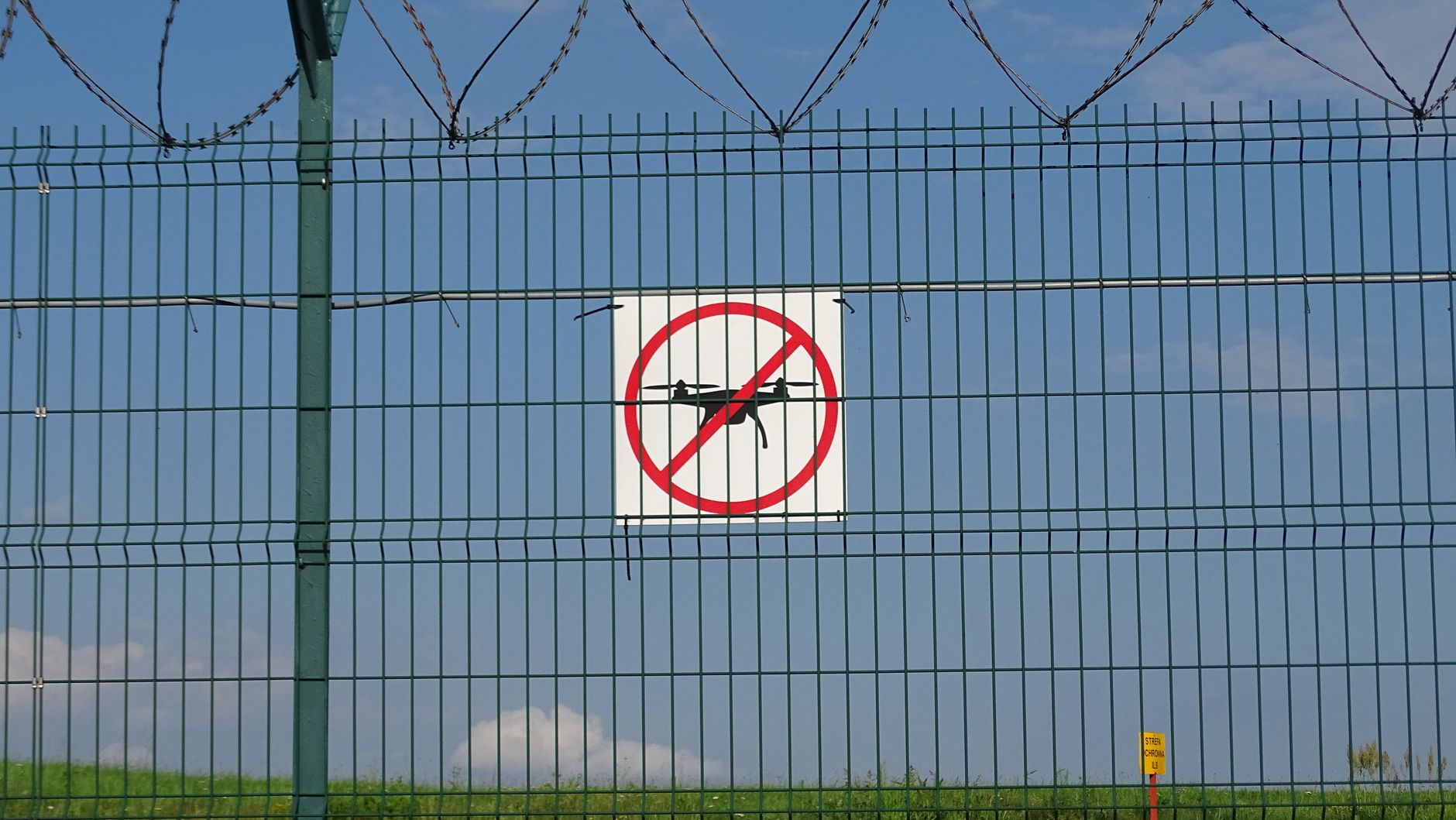
Ukrainian drones Starlink restrictions have caused a significant slowdown in their operations. The recent limitations imposed by SpaceX are raising concerns about the effectiveness of these drones in ongoing conflicts.
Impact of Starlink on Ukrainian Drones
The recent restrictions imposed by SpaceX on the use of Starlink have raised concerns regarding the effectiveness of Ukrainian drones in the ongoing conflict. These drones, which rely heavily on satellite communication for navigation and operational control, face significant challenges without reliable connectivity.
As a result of the new limitations, Ukrainian forces are experiencing:
- Reduced Operational Range: The ability to control drones over long distances is compromised, potentially limiting tactical options in critical situations.
- Increased Vulnerability: With less access to real-time data, drones may be more susceptible to enemy detection and countermeasures.
- Slower Response Times: Delays in communication can hinder quick decision-making, affecting the overall effectiveness of drone missions.
Experts believe that these Starlink restrictions represent a significant setback for Ukraine’s drone capabilities, undermining their strategic advantages. As the conflict continues, the reliance on technology becomes increasingly evident, and any disruption can have profound implications on the battlefield.
Moving forward, finding alternative solutions for communication and navigation will be crucial for maintaining the operational effectiveness of Ukrainian drones.
Recent Developments in Drone Technology
In recent months, the landscape of drone technology in Ukraine has been significantly influenced by evolving restrictions on the use of Starlink. These restrictions have introduced challenges that could impact both the operational effectiveness and strategic advantages of Ukrainian drones on the battlefield.
Developments in drone technology have accelerated, with various models being deployed for reconnaissance and combat. However, as Starlink restrictions come into play, concerns are mounting regarding their implications on communication and control of these drones. The reliance on satellite internet for real-time data transmission is critical, and limitations could hinder the responsiveness of drone operators.
Key advancements have included:
- Enhanced battery life for prolonged missions.
- Improved payload capacities for versatile operations.
- Integration of AI for autonomous navigation and target identification.
Despite these advancements, the impact of Starlink restrictions raises questions about the overall effectiveness of Ukrainian drones. As military strategists analyze the situation, the balance between innovation and operational limitations becomes increasingly crucial.
Challenges Faced by Ukrainian Forces
The ongoing conflict in Ukraine has seen significant advancements in drone technology, yet the introduction of Starlink restrictions poses new challenges for Ukrainian forces. These restrictions, imposed by SpaceX, have led to concerns regarding operational efficiency and tactical capabilities.
Ukrainian drones heavily rely on Starlink for real-time communication and navigation. The sudden limitations have resulted in:
- Reduced Operational Range: Drones are unable to cover vast areas as effectively, limiting reconnaissance missions.
- Increased Vulnerability: Lack of reliable communication makes drones more susceptible to enemy countermeasures.
- Slower Response Times: Delays in data transmission can hinder quick decision-making during critical operations.
As the battlefield evolves, the implications of these restrictions on Ukrainian drones have raised questions about their future effectiveness. The reliance on Starlink technology has been a key factor in the success of these unmanned systems, and limitations on its use could be one of the worst setbacks faced by Ukrainian forces. The ability to adapt to these challenges will be crucial for maintaining an edge in this complex conflict.
SpaceX’s Role in Military Communications
SpaceX has emerged as a pivotal player in the realm of military communications, significantly impacting the operational capabilities of Ukrainian drones. The integration of Starlink technology into the Ukrainian military strategy has enabled real-time data transmission, enhancing coordination and effectiveness on the battlefield. However, recent restrictions imposed by SpaceX on Starlink usage for drones have raised concerns regarding the future of drone operations in Ukraine.
The new limitations have resulted in noticeable setbacks, as Ukrainian forces rely heavily on the connectivity provided by Starlink. Many military analysts believe that these restrictions could hinder the speed and responsiveness of drone missions, ultimately affecting the overall success of Ukrainian operations. This has led to questions about the sustainability of such reliance on commercial satellite networks for military purposes.
Moreover, the evolving dynamics between private companies and military needs underscore the complexities of modern warfare. While SpaceX has a contractual obligation to ensure its technology is used within specific guidelines, the impact of these Starlink restrictions on Ukrainian drones may provoke a reevaluation of the relationship between private tech firms and military applications in conflict zones.
Future of Drones in Warfare
The future of drones in warfare is becoming increasingly complex as nations adapt to new technologies and restrictions. The recent limitations imposed by SpaceX on the use of Starlink for Ukrainian drones have raised significant concerns among military strategists and analysts. With these restrictions, the operational capabilities of Ukrainian drones are hampered, impacting their efficiency on the battlefield.
As nations invest heavily in drone technology, the implications of such restrictions could reshape tactical approaches globally. The Ukrainian forces, which have relied on drones for reconnaissance and strike missions, might find themselves at a disadvantage against adversaries who possess fewer limitations in their communication capabilities.
Key factors influencing the future of drones in warfare include:
- Technological advancements: Innovations in drone design and capabilities could lead to new strategies that circumvent current restrictions.
- Adoption of alternative communication systems: Forces may need to explore other technologies to maintain operational effectiveness.
- Regulatory landscape: The evolving legal and ethical frameworks surrounding military drone use will also play a critical role.
In light of the Starlink restrictions, it remains to be seen how quickly Ukraine can adapt to these challenges and what impact this will have on future conflicts.
The impact of Ukrainian drones Starlink restrictions has raised significant concerns among military analysts. Many believe that these limitations could hinder the effectiveness of Ukrainian drones in the ongoing conflict.
Photo by More on my YouTube on Pexels
1 thought on “Ukrainian drones: Are Starlink restrictions the worst setback?”