
El Nino effects are causing dramatic changes worldwide, evident in Tokyo’s record rain and Chile’s stunning desert bloom. This phenomenon is influencing weather patterns like never before.
Understanding El Nino
El Niño is a complex climate phenomenon that originates in the central and eastern tropical Pacific Ocean. It is characterized by the periodic warming of sea surface temperatures, which can significantly alter weather patterns across the globe. Understanding El Niño effects is crucial for predicting how it will impact different regions.
The phenomenon typically occurs every two to seven years and lasts for several months. During this time, various weather-related changes can be observed:
- Increased rainfall: Areas such as Southeast Asia and the western coasts of the Americas often experience heavy rainfall, leading to floods and landslides.
- Severe drought: Conversely, regions like Australia and parts of Africa may suffer from prolonged dry spells, impacting agriculture and water supply.
- Temperature fluctuations: El Niño can cause unusual temperature patterns, leading to warmer winters in some areas and cooler conditions in others.
These variations highlight the importance of monitoring El Niño to mitigate its adverse effects on communities worldwide.
Impact of El Nino on Weather
The impact of El Nino on weather can be profound and far-reaching, influencing climates across the globe. This phenomenon is known for its ability to disrupt typical weather patterns, leading to both extreme conditions and unexpected changes.
Some of the most notable effects include:
- Increased rainfall in regions such as Southeast Asia and the western coasts of North and South America, often resulting in flooding and landslides.
- Severe droughts in countries like Australia and parts of Africa, which can devastate agriculture and water supplies.
- Warmer ocean temperatures, affecting marine ecosystems and fish populations, leading to shifts in local economies reliant on fishing.
- Altered hurricane activity, with potential increases in intensity and frequency in some areas, while others might see a decrease.
These El Nino effects are crucial to understanding global climate dynamics and preparing for the potential challenges that may arise during its occurrence.
Tokyo’s Record Rainfall Explained
Tokyo has recently experienced unprecedented rainfall, raising concerns among residents and officials alike. This extreme weather event is part of the broader pattern of El Nino effects, which have been shown to disrupt typical weather patterns around the globe.
In the past month, the Japanese capital recorded over 300 millimeters of rain in just a few days, leading to significant flooding and transportation disruptions. Meteorologists attribute this deluge to the warming ocean waters associated with El Nino, which alters atmospheric conditions and increases moisture in the air.
Key factors contributing to Tokyo’s record rainfall include:
- Increased humidity: Warmer sea surface temperatures lead to more moisture-laden air.
- Altered wind patterns: El Nino shifts wind currents, enhancing storm systems.
- Heightened storm intensity: The combination of warmth and moisture can intensify rainfall events.
As Tokyo grapples with these challenges, the city must adapt to the ongoing and potentially worsening El Nino effects in the years to come.
Chile’s Desert Bloom Phenomenon
Chile’s Atacama Desert, known as one of the driest places on Earth, experiences a remarkable transformation during El Nino events. This phenomenon is often referred to as the desert bloom, showcasing nature’s resilience and adaptability.
During an El Nino, increased rainfall alters the region’s harsh climate, allowing dormant seeds to sprout, resulting in a vibrant display of wildflowers. The bloom typically occurs in the spring following the rainfall, creating a stunning contrast against the arid landscape.
Some of the most common flowers that emerge include:
- Calandrinia grandiflora – Known for its striking pink and purple blooms.
- Mirabilis jalapa – Often referred to as four o’clock flowers, these add a splash of color to the desert.
- Oxalis triangularis – With its distinctive leaves and charming flowers, it enhances the desert’s beauty.
This phenomenon not only highlights the effects of El Nino on the environment but also attracts tourists and nature enthusiasts eager to witness the rare spectacle.
Global Weather Changes Due to El Nino
The global weather changes due to El Nino are profound and multifaceted, impacting regions across the world in unexpected ways. As the phenomenon develops, it alters ocean temperatures, which in turn influences atmospheric patterns and weather systems.
The effects of El Nino can lead to:
- Increased precipitation in some areas, resulting in severe flooding and landslides.
- Severe drought conditions in other regions, which can devastate agriculture and water supplies.
- Temperature fluctuations, causing unseasonably warm winters in colder climates.
- Disruption of marine ecosystems, affecting fish populations and local fishing industries.
Countries that experience these drastic changes need to adapt and prepare for the unpredictable impacts of El Nino. The phenomenon not only brings immediate weather alterations but also long-term consequences that can reshape economies and environments. Understanding these El Nino effects is crucial for mitigating damage and implementing effective response strategies.
Historical Context of El Nino
The phenomenon of El Niño has a long and complex history, impacting global weather patterns for centuries. First documented in the 16th century, it was initially referred to as “El Niño de Navidad” due to its occurrence around Christmas time. Since then, the understanding of El Niño effects has evolved significantly, with scientists recognizing its role in various climatic events.
Throughout the 20th century, notable El Niño events have been recorded, each bringing unique weather challenges. For instance, the 1982-1983 El Niño caused widespread flooding in the Americas, while the 1997-1998 event resulted in significant droughts in Indonesia and Australia. These historical instances illustrate the diverse consequences of El Niño, affecting agriculture, economy, and water resources globally.
As researchers continue to study past El Niño patterns, they emphasize that the effects can vary dramatically from one occurrence to another. Understanding this variability is crucial for improving forecasting methods and preparing for future weather extremes influenced by El Niño.
Predictions for Future Weather Events
As scientists continue to study the El Nino effects, predictions for future weather events are becoming more refined. Meteorologists are particularly concerned about the potential for increased storm activity across various regions.
The following points highlight key predictions:
- Increased Rainfall: Areas like the southern United States may experience above-average precipitation, leading to flooding and landslides.
- Drought Conditions: Conversely, regions such as Australia and parts of Southeast Asia might face severe droughts, impacting agriculture and water supply.
- Temperature Anomalies: Expect warmer winters in the northern hemisphere, which could disrupt seasonal patterns.
- Hurricane Activity: An intensified hurricane season is likely in the Atlantic, resulting from warmer ocean temperatures.
These predictions underscore the global reach of El Nino, affecting weather systems far beyond its origin. As climate change continues to alter weather patterns, understanding the El Nino effects will be vital for preparedness and mitigation efforts.
How to Prepare for Extreme Weather
As El Nino effects continue to manifest globally, individuals and communities must be proactive in preparing for extreme weather conditions. Here are some essential steps to consider:
- Stay Informed: Regularly check weather forecasts and updates from reliable sources to stay aware of any impending weather changes.
- Create an Emergency Plan: Develop a comprehensive plan that includes communication strategies, evacuation routes, and emergency contacts.
- Build an Emergency Kit: Equip your home with essential supplies such as bottled water, non-perishable food, first-aid items, and flashlights.
- Secure Your Property: Take measures to protect your home from potential damage, such as reinforcing windows and clearing gutters.
- Engage with Your Community: Connect with local organizations and community groups to share information and resources, improving overall preparedness.
By taking these steps, individuals can mitigate the impacts of the severe weather patterns associated with El Nino effects and ensure their safety and well-being.
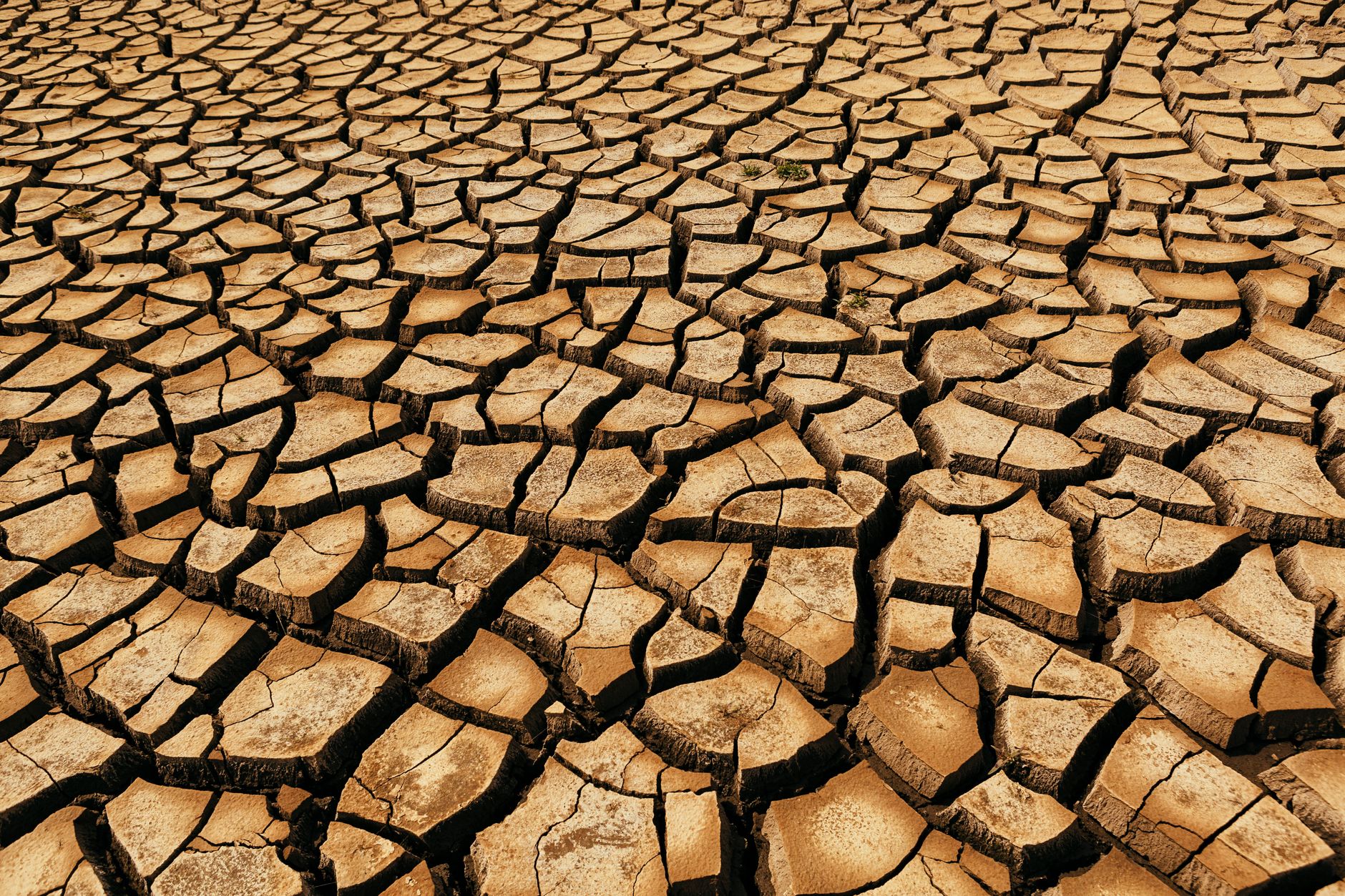
The El Nino effects can lead to severe droughts in some regions while causing excessive rainfall in others. Understanding the El Nino effects is crucial for preparing for the unpredictable weather patterns that may arise.
Photo by Joetography on Pexels
1 thought on “El Nino Effects: The Worst Weather Changes Revealed”