
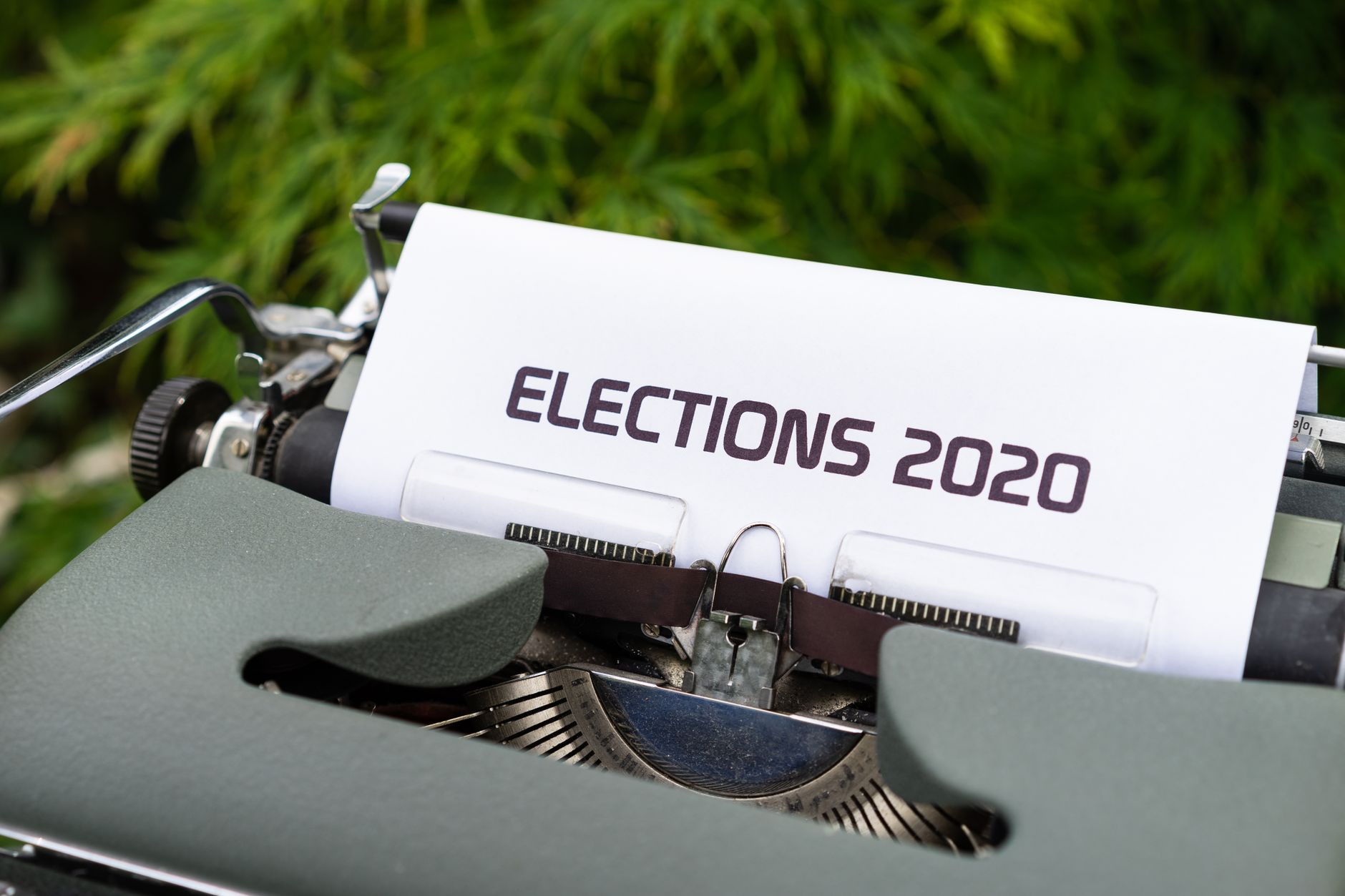
Latina president election is a topic gaining traction as Alexandria Ocasio-Cortez questions the viability of a Latina candidate for the presidency. This discussion highlights the ongoing challenges and opportunities for representation in U.S. politics.
The Current Political Landscape
The political landscape in the United States is undergoing significant transformation, as discussions around a potential Latina president election gain traction. With increased representation of diverse voices in politics, the question of whether a Latina can be elected president has sparked widespread debate.
Recent remarks by prominent figures, including Alexandria Ocasio-Cortez, have brought attention to the challenges and opportunities that lie ahead for Latina candidates. Ocasio-Cortez emphasized the importance of representation, stating that the election of a Latina president could symbolize a broader change within the political system.
Despite the growing support for diverse candidates, several factors contribute to the complexity of this issue:
- Voter Perception: Many voters may hold preconceived notions about leadership capabilities based on ethnicity.
- Party Support: Securing backing from major political parties is crucial for any candidate’s success.
- Media Coverage: The portrayal of Latina candidates in the media can influence public opinion and voter engagement.
As the nation approaches the next election cycle, the conversation surrounding the Latina president election will likely continue to evolve, challenging traditional norms and paving the way for greater inclusivity.
Challenges for Latina Candidates
The journey towards a Latina president election is fraught with numerous challenges that candidates must navigate to gain traction in the political arena. Despite the growing representation of Latinas in various sectors, the path to the presidency remains complex.
- Bias and Stereotypes: Many Latina candidates face entrenched biases and stereotypes that can hinder their campaigns. These perceptions can influence voter attitudes and undermine trust in their capabilities.
- Funding and Resources: Securing adequate funding is a significant challenge. Latina candidates often struggle to attract large donors, which can limit their outreach and campaign effectiveness.
- Media Representation: The media plays a crucial role in shaping public perception. Latina candidates may find that their stories are not given the same prominence as those of their male counterparts, affecting visibility and support.
- Political Establishment: Many established political figures may be resistant to change, making it difficult for Latina candidates to break into established networks and gain the necessary endorsements.
In light of these challenges, the question remains: is it the right time for a Latina president election? With increasing advocacy and support for diversity in leadership, there may be a shift on the horizon.
Ocasio-Cortez’s Perspective on Representation
In a recent discussion, Alexandria Ocasio-Cortez shared her thoughts on the potential for a Latina president election, emphasizing the importance of representation in politics. She questioned whether the current political climate is truly ready for such a significant change, reflecting on the challenges faced by candidates from diverse backgrounds.
Ocasio-Cortez pointed out several key factors that influence the chances of a Latina ascending to the presidency:
- Societal Perceptions: Many voters still hold biases that can affect their views on candidates based on ethnicity.
- Political Infrastructure: The lack of support and resources for Latina candidates can hinder their campaigns.
- Voter Engagement: Mobilizing the Latina community to participate actively in elections is crucial for representation.
Despite these challenges, Ocasio-Cortez remains optimistic. She believes that a Latina in a leadership position could inspire not only future candidates but also the younger generation to pursue their political ambitions. The conversation around a Latina president election is gaining momentum, and with it, the hope for a more inclusive political landscape.
Future of Diversity in Presidential Elections
The future of diversity in presidential elections is increasingly becoming a focal point of discussion, particularly in light of the recent conversations surrounding the possibility of a Latina president election. As demographics shift, the political landscape is slowly reflecting a more diverse electorate, raising questions about representation and inclusivity at the highest levels of government.
While the notion of a Latina president may seem like a progressive step forward, several factors play a crucial role in determining its feasibility:
- Voter Engagement: Mobilizing Latino voters is essential. High turnout rates can significantly influence election results.
- Media Representation: Positive portrayal of Latina candidates in the media can shape public perception and acceptance.
- Political Alliances: Building coalitions with other minority groups can strengthen the campaign and broaden appeal.
- Policy Priorities: Aligning campaign platforms with the interests of diverse communities can enhance support.
As Alexandria Ocasio-Cortez has pointed out, the question is not simply whether a Latina can be elected president, but whether the political establishment is ready to embrace such a transformative change. The coming years will be critical in shaping the path toward a more inclusive presidency.
Photo by Markus Winkler on Pexels
References
You might also like
UN General Assembly 2023: Clear Updates on Global Leaders · Kamarajar Breakfast Scheme: Proven Benefits for Students · CPU demand amid AI boom: Intel’s Supply Challenges Revealed
1 thought on “Latina president election: Is it the right time for change?”