
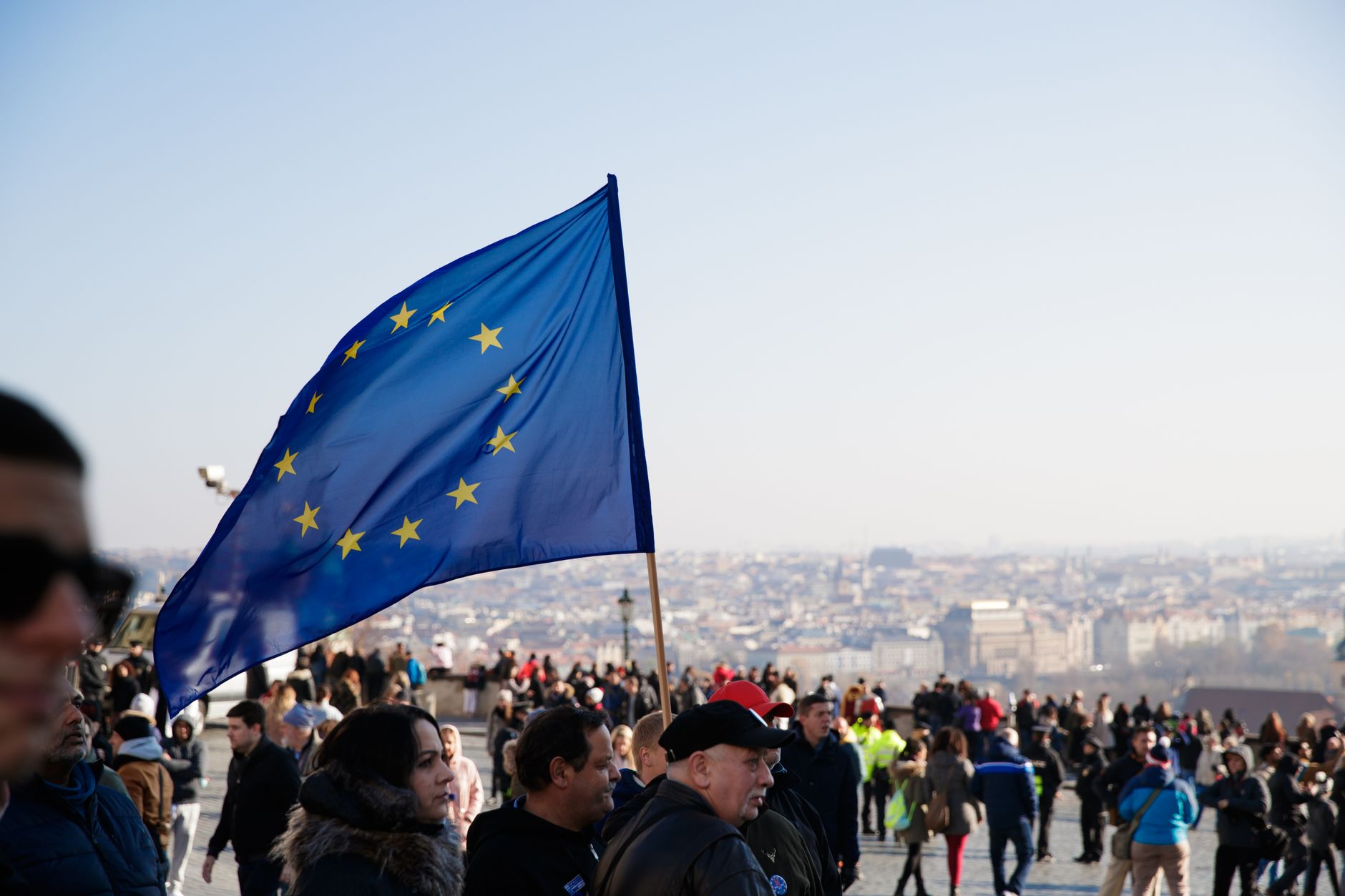
Europe’s far right is gaining traction as nostalgia and lost pride drive their narrative. This growing movement raises concerns about its impact on society and politics.
Understanding Europe’s far right
Europe’s far right has gained significant traction in recent years, fueled by a mix of nostalgia and a desire for national pride. Many individuals who support these movements often feel disconnected from the prevailing political narratives and seek a return to what they perceive as a more stable and prosperous past.
The rise of these parties can be attributed to several factors:
- Economic Discontent: Many voters are dissatisfied with their current economic situation, leading them to embrace far-right solutions that promise change.
- Cultural Anxiety: A fear of losing cultural identity in an increasingly globalized world has also played a pivotal role in the popularity of far-right ideologies.
- Immigration Concerns: Rising immigration has sparked debates around national security and social cohesion, often exploited by far-right groups to rally support.
Understanding these dynamics is crucial as Europe’s far right continues to influence the political landscape across the continent.
The role of nostalgia in politics
Nostalgia plays a significant role in shaping the narrative around Europe’s far right, as many political movements lean heavily on the sentiment of a glorious past. This longing for a bygone era often resonates with individuals who feel disconnected from contemporary societal changes.
Supporters of far-right parties frequently invoke memories of national pride, cultural homogeneity, and economic prosperity. They argue that these aspects have been eroded by globalization and immigration. This sense of loss can be particularly potent in times of economic uncertainty, where individuals seek solace in familiar ideals.
Moreover, politicians capitalize on this nostalgia by framing their agendas around restoring a perceived golden age. This approach not only strengthens their base but also attracts those who may not have previously identified with far-right ideologies.
As Europe grapples with shifting demographics and economic challenges, the role of nostalgia in politics will likely continue to empower Europe’s far right, fueling their campaigns and influencing public discourse.
Lost pride and its impact
The rise of Europe’s far right can be traced back to a growing sense of lost pride among various communities. This sentiment often manifests in a longing for a past perceived as better, where traditional values and national identities were more prominent. The impact of this lost pride is multifaceted, affecting both individual lives and societal structures.
Many individuals feel marginalized, believing their cultural heritage is under threat from globalization and immigration. This perception fuels support for far-right parties that promise to restore national pride and sovereignty. The consequences of this movement can be severe, leading to:
- Increased polarization within societies.
- Heightened tensions between different cultural groups.
- A resurgence of nationalist rhetoric in political discourse.
As Europe grapples with these challenges, the far right capitalizes on feelings of disenfranchisement, transforming nostalgia into a potent political force that threatens the cohesion of diverse nations.
Analyzing the implications for society
The rise of Europe’s far right has significant implications for society, affecting everything from social cohesion to political discourse. As these movements gain traction, they often exploit existing fears and frustrations among the populace, creating an environment where division can flourish.
One major concern is the potential erosion of democratic values. The far right frequently challenges the foundational principles of equality and tolerance, which can lead to:
- Increased polarization: Society may become more divided along ideological lines, leading to heightened tension between different groups.
- Normalization of hate speech: The rhetoric used by far-right groups can desensitize the public to xenophobia and intolerance.
- Policy shifts: A rise in far-right influence can result in restrictive immigration policies and a prioritization of nationalist agendas.
Ultimately, the implications of Europe’s far right extend beyond politics, influencing cultural dynamics and societal norms in profound ways.
Photo by Son Tung Tran on Pexels
1 thought on “Europe’s far right: What’s the Real Threat?”