
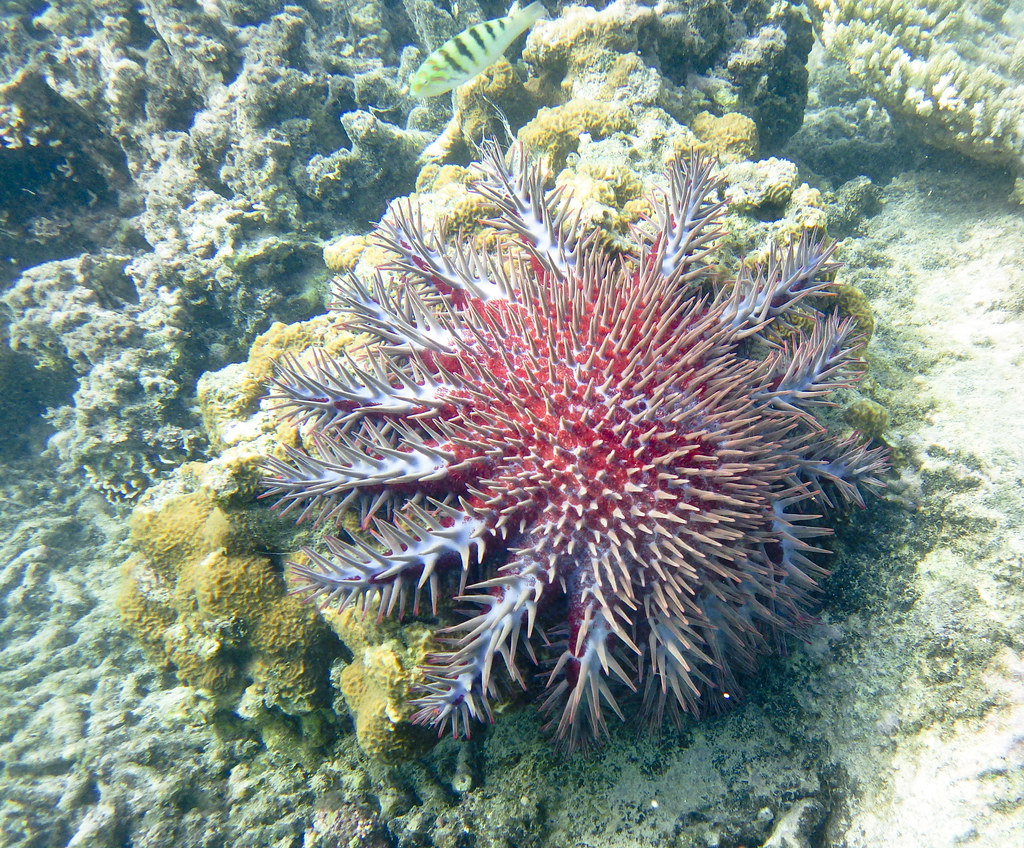
crown-of-thorns starfish pose a significant threat to coral reefs. In 2018, Australia’s RangerBot identified these coral-eating starfish with remarkable accuracy.
Understanding the Crown-of-Thorns Starfish
The crown-of-thorns starfish is a significant threat to coral reefs, primarily due to its voracious appetite for coral polyps. This species, known for its spiny appearance and ability to reproduce rapidly, can devastate coral populations when left unchecked. In healthy ecosystems, their presence is balanced by natural predators; however, human activities have led to an increase in their numbers.
In 2018, Australia’s RangerBot demonstrated an innovative approach to monitoring these starfish, identifying them with an impressive 99.4% accuracy. This technology has opened new avenues for effective management and protection of coral reefs, allowing for timely interventions to mitigate the damage caused by outbreaks of the crown-of-thorns starfish.
Understanding their behavior and population dynamics is crucial for developing strategies to preserve the delicate balance of marine ecosystems.
The Impact on Coral Reefs
The crown-of-thorns starfish poses a significant threat to coral reefs, leading to widespread degradation of these vital ecosystems. When present in high numbers, these starfish can devastate coral populations, resulting in serious ecological imbalances. The impact is not limited to the coral itself; the decline in coral health also affects marine biodiversity, as many species rely on coral reefs for shelter and food.
Studies have shown that a healthy reef can withstand small populations of crown-of-thorns starfish, but when outbreaks occur, the consequences can be catastrophic:
- Loss of biodiversity: Many marine species are dependent on coral reefs for survival.
- Economic consequences: Coral reefs support tourism and fishing industries.
- Increased vulnerability: Healthy reefs are more resilient to environmental stressors.
Protecting coral reefs from the crown-of-thorns starfish is crucial for maintaining marine ecosystems.
How RangerBot Works
The RangerBot is a groundbreaking tool designed to combat the challenges posed by the crown-of-thorns starfish. This autonomous underwater vehicle employs advanced technology to protect coral reefs from destruction.
Equipped with sophisticated image recognition software, RangerBot can identify crown-of-thorns starfish with an impressive accuracy rate of 99.4%. Once detected, the bot is programmed to either report the location or take action to remove the starfish.
Key features of RangerBot include:
- Real-time Monitoring: Continually scans the reef environment for threats.
- Data Collection: Gathers valuable information on coral health and starfish populations.
- Autonomy: Operates independently, minimizing human intervention.
This innovative approach offers a sustainable method to protect and preserve vital coral ecosystems threatened by these destructive starfish.
Technological Advances in Marine Conservation
Recent technological advances have significantly improved marine conservation efforts, particularly in combating the destructive effects of the crown-of-thorns starfish on coral reefs. Innovations like autonomous underwater robots, equipped with advanced imaging and artificial intelligence, are revolutionizing the way researchers monitor and manage these ecosystems.
One notable example is the RangerBot, which has demonstrated remarkable capabilities in identifying crown-of-thorns starfish. With an accuracy rate of 99.4%, this technology allows for precise mapping and targeted removal of these coral-eating starfish.
Such advancements not only enhance efficiency in conservation practices but also provide valuable data for further research. As marine environments continue to face challenges from climate change and human activity, these technological solutions play a crucial role in safeguarding coral reefs for future generations.
Success Stories from Australia
In recent years, Australia has witnessed significant success in combating the crown-of-thorns starfish infestation affecting its coral reefs. One of the standout achievements occurred in the Great Barrier Reef, where local conservationists implemented targeted removal strategies that drastically reduced the starfish population.
Using advanced technology, teams were able to identify and eliminate thousands of crown-of-thorns starfish, which contributed to the restoration of damaged reefs. The proactive approach not only protected the coral but also promoted marine biodiversity.
Additionally, community involvement played a crucial role in these efforts. Local volunteers participated in monitoring and removal initiatives, fostering a sense of stewardship towards their marine environment. As a result of these collaborative efforts, certain areas of the Great Barrier Reef have shown remarkable recovery, highlighting the effectiveness of combined technological and community-driven strategies.
Future of Coral Reef Protection
The future of coral reef protection hinges on innovative solutions to combat threats like the crown-of-thorns starfish. As marine ecosystems face unprecedented challenges, advancements in technology provide hope for their preservation.
Efforts to manage and control the population of crown-of-thorns starfish are crucial, as these creatures can devastate coral communities.
Key strategies for the future include:
- Enhanced Monitoring: Utilizing AI and robotics to monitor reef health and detect invasive species.
- Community Engagement: Educating local populations about the importance of reef conservation and the dangers posed by crown-of-thorns starfish.
- Collaborative Research: Strengthening partnerships between scientists, conservationists, and governments to develop effective management plans.
By combining technology with community efforts, the fight against the crown-of-thorns starfish can lead to healthier coral reefs for future generations.
Community Involvement in Conservation
Community involvement plays a crucial role in the conservation of coral reefs threatened by the crown-of-thorns starfish. Local organizations and volunteers have taken significant steps to participate in monitoring and controlling the population of these destructive starfish.
Efforts include:
- Awareness Campaigns: Educating the public about the impact of crown-of-thorns starfish on coral ecosystems.
- Beach Clean-Up Days: Organizing events to enhance local habitats and promote marine health.
- Training Programs: Equipping community members with skills to identify and report crown-of-thorns starfish infestations.
By fostering a sense of stewardship, communities are not only helping to protect coral reefs but also ensuring the longevity of marine biodiversity for future generations.
Conclusion: Protecting Our Oceans
In conclusion, the fight against the crown-of-thorns starfish is crucial for the preservation of coral reefs worldwide. As we have seen, innovative technologies like RangerBot are proving to be effective in identifying and managing these destructive starfish populations. With a remarkable accuracy rate of 99.4%, this advancement demonstrates the potential of automated solutions in marine conservation.
Moreover, community involvement plays a vital role in supporting these efforts. By engaging local populations in conservation activities, we can foster a sense of stewardship for our oceans. Initiatives that educate and empower communities are essential for sustainable practices.
As we move forward, it is imperative to continue investing in research, technology, and community programs to ensure that our coral reefs are protected from the threats posed by the crown-of-thorns starfish and other environmental challenges.
By Johan J.Ingles-Le Nobel via Openverse
1 thought on “Crown-of-thorns starfish: Proven method to protect coral reefs”