
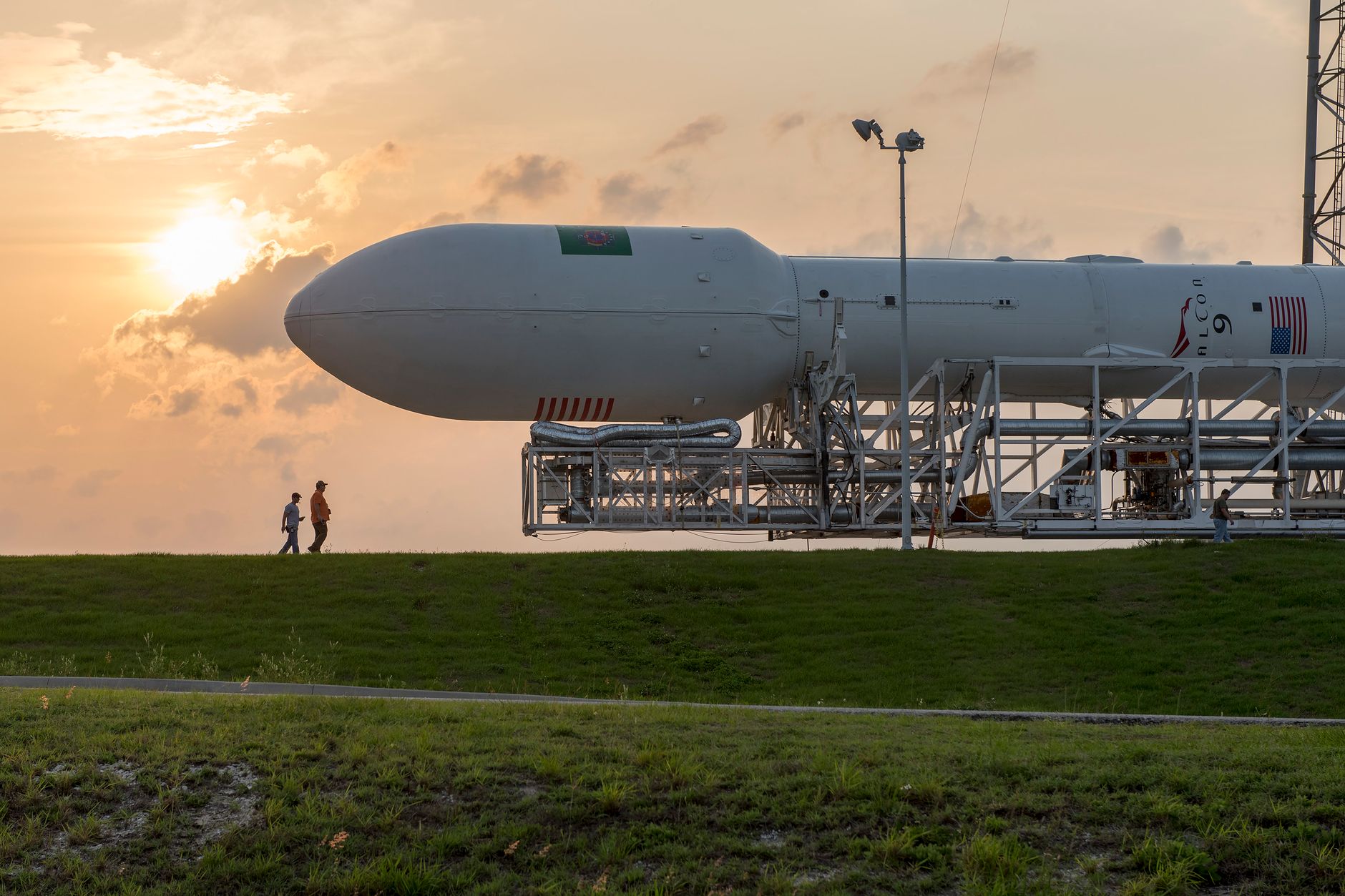
Crew-13 launch is scheduled for October 1, marking another exciting collaboration between NASA and SpaceX. This mission will send astronauts to the International Space Station, promising thrilling advancements in space exploration.
What is the Crew-13 mission?
The Crew-13 launch is a significant mission organized by NASA in partnership with SpaceX, aimed at transporting astronauts to the International Space Station (ISS). This mission is part of NASA’s Commercial Crew Program, which seeks to facilitate safe and reliable access to the ISS through private partnerships.
Scheduled for launch on October 1, the Crew-13 mission will include a diverse team of astronauts who are tasked with conducting various scientific experiments and maintaining the space station during their stay. The crew will consist of:
- Mark Vande Hei – NASA astronaut and the mission commander
- Shane Kimbrough – NASA astronaut and pilot for the mission
- Megan McArthur – NASA astronaut and mission specialist
- Aki Hoshide – JAXA astronaut and mission specialist
The Crew-13 mission is crucial for advancing scientific research in microgravity, which can lead to discoveries in fields such as medicine, technology, and Earth science. The astronauts will conduct experiments that require the unique environment of space, providing insights that can be applied on Earth.
As the launch date approaches, space enthusiasts and the general public are encouraged to participate in the excitement, whether by watching live streams or engaging with social media updates from NASA and SpaceX.
Key dates for the Crew-13 launch
The Crew-13 launch is an exciting event for space enthusiasts and casual viewers alike. To ensure you don’t miss any of the action, here are some key dates and times to keep in mind.
NASA and SpaceX have targeted the following schedule for the Crew-13 launch:
- Launch Date: October 1, 2023
- Launch Window: Opens at 2:00 AM EDT
- Crew Arrival at ISS: Approximately 6 hours after launch
- Pre-Launch Press Conference: September 30, 2023, at 3:00 PM EDT
It’s important to note that dates and times are subject to change due to weather conditions and technical considerations. Always check NASA’s official website or their social media channels for the latest updates and any possible rescheduling.
To enhance your viewing experience, find a good location with a clear view of the sky, and consider inviting friends or family to share in the excitement of the Crew-13 launch. Whether you’re watching live or via a livestream, this mission promises to be a remarkable event in space exploration history.
How to watch the Crew-13 launch
As the Crew-13 launch approaches, many space enthusiasts are eager to catch a glimpse of this exciting event. Here are some quick tips for watching the launch live and making the most of your viewing experience.
First, ensure you know the exact date and time of the Crew-13 launch. NASA and SpaceX have targeted October 1 for the event, but keep an eye on updates as launch windows can shift due to weather conditions and technical checks.
Next, choose your viewing method:
- Live Stream: Both NASA and SpaceX provide live streams of the launch on their official websites and social media platforms. These streams often feature expert commentary and behind-the-scenes coverage.
- Television Coverage: Major news networks and dedicated science channels usually broadcast significant space events. Check your local listings to tune in.
- In-Person Viewing: If you’re near the launch site at Kennedy Space Center in Florida, consider attending the launch in person. Tickets may be required, so check availability in advance.
Lastly, engage with the community by following hashtags related to the Crew-13 launch on social media. Sharing your excitement and insights with fellow viewers can enhance the experience.
NASA and SpaceX collaboration details
The Crew-13 launch represents an important collaboration between NASA and SpaceX, showcasing the advancements in commercial spaceflight. This partnership aims to facilitate regular transport of astronauts to the International Space Station (ISS), enhancing scientific research and international collaboration in space exploration.
NASA’s Commercial Crew Program is a pivotal initiative that allows private companies, such as SpaceX, to develop and operate crew transportation systems. This collaboration not only helps reduce costs but also accelerates the pace of innovation in space travel. SpaceX is tasked with launching astronauts aboard its Crew Dragon spacecraft, which is designed to carry up to seven crew members. The Crew Dragon is equipped with advanced safety features, including an automated launch escape system, ensuring the safety of astronauts during their journey.
In preparation for the Crew-13 launch, extensive testing and simulations have been conducted. The latest mission will carry a diverse team of astronauts from various backgrounds, contributing their expertise to ongoing scientific experiments aboard the ISS. This mission emphasizes the importance of teamwork and collaboration in achieving significant milestones in space exploration.
As the launch date approaches, both NASA and SpaceX are committed to ensuring a successful operation, which will further solidify their partnership in the future of human spaceflight.
Astronauts aboard Crew-13
The Crew-13 mission is set to carry a talented group of astronauts to the International Space Station, contributing to significant research and experiments in microgravity. These astronauts bring diverse backgrounds and expertise, enhancing the mission’s overall potential.
Among the crew members of Crew-13 are:
- NASA Astronaut Mark T. Vande Hei: A veteran astronaut, Vande Hei has previously spent nearly a year in space and will play a vital role in conducting experiments during this mission.
- NASA Astronaut Kayla Barron: This mission marks Barron’s first journey to space. She is a former submarine officer and will contribute her technical skills aboard the ISS.
- European Space Agency Astronaut Matthias Maurer: Hailing from Germany, Maurer is also making his debut in space. He brings a wealth of knowledge in materials science and engineering.
- JAXA Astronaut Akihiko Hoshide: With multiple missions under his belt, Hoshide will serve as a flight engineer and contribute to the coordination of various operations on the ISS.
As the Crew-13 launch approaches, excitement builds among space enthusiasts and the general public alike. The collaboration between NASA and SpaceX continues to pave the way for future exploration opportunities, with the Crew-13 launch representing another significant milestone in this partnership.
Impact of Crew-13 on space research
The Crew-13 launch is set to have significant implications for ongoing space research, particularly in the realm of experiments conducted aboard the International Space Station (ISS). This mission will carry a diverse group of astronauts who will engage in various scientific studies aimed at enhancing our understanding of life in space.
One of the primary goals of the Crew-13 mission is to advance research in areas such as:
- Microgravity effects: Understanding how long-duration spaceflight impacts human physiology is critical for future long-term missions to Mars and beyond.
- Biomedical research: Crew-13 will facilitate experiments on the behavior of human cells in microgravity, which could lead to advancements in health care on Earth.
- Materials science: Testing how materials behave in space can yield new insights that benefit industries ranging from aerospace to electronics.
- Earth and space observations: The astronauts will conduct experiments that monitor climate change and cosmic phenomena, providing invaluable data to scientists.
In addition to these experiments, the Crew-13 mission is expected to foster international collaboration as researchers from various countries contribute to the findings. The results of these studies could pave the way for future exploration and innovation, making the Crew-13 launch a pivotal moment in space exploration history.
Future missions after Crew-13
As the excitement surrounding the Crew-13 launch reaches its peak, space enthusiasts are already looking ahead to future missions that promise to expand our understanding of the cosmos. NASA and SpaceX have laid out an ambitious schedule for upcoming crewed and uncrewed missions, continuing their partnership to push the boundaries of space exploration.
Following the Crew-13 launch, which is set to send astronauts to the International Space Station (ISS), several key missions are on the horizon:
- Crew-14: Expected to launch in early 2022, this mission aims to bring additional astronauts to the ISS, continuing ongoing scientific research and experiments.
- Crew-15: Tentatively scheduled for mid-2022, this mission will further extend the human presence aboard the ISS, with a new set of crew members ready to contribute to various projects.
- Artemis Program: Looking beyond low Earth orbit, NASA’s Artemis missions aim to return humans to the Moon by 2024, paving the way for future Mars exploration.
With each mission, the collaboration between NASA and SpaceX strengthens, promising to deliver groundbreaking discoveries and technological advancements that will benefit humanity for generations to come.
Public interest in space exploration
The Crew-13 launch has ignited a wave of public interest in space exploration, drawing attention from enthusiasts and casual viewers alike. As humanity continues to push the boundaries of what is possible in outer space, missions like Crew-13 serve as a reminder of our collective curiosity and ambition.
With advancements in technology and increased accessibility to live broadcasts, more people than ever are tuning in to witness these historic events. The excitement surrounding Crew-13 reflects a growing desire to engage with the universe beyond our planet. This mission not only showcases the collaborative efforts of NASA and SpaceX but also highlights the importance of international partnerships in space exploration.
The public’s enthusiasm can be attributed to several factors:
- Increased media coverage: Major news outlets provide extensive coverage of launches and space missions, bringing the excitement to homes around the world.
- Social media engagement: Platforms like Twitter and Instagram allow space agencies and astronauts to share real-time updates, fostering a sense of community among fans.
- Educational initiatives: Schools and educational programs are incorporating space exploration into their curricula, inspiring the next generation of scientists and engineers.
As the Crew-13 launch approaches, it’s clear that public interest in space exploration will only continue to grow, fueling future missions and innovations.
Photo by SpaceX on Pexels
1 thought on “Crew-13 launch: Quick Tips for Watching NASA and SpaceX”