
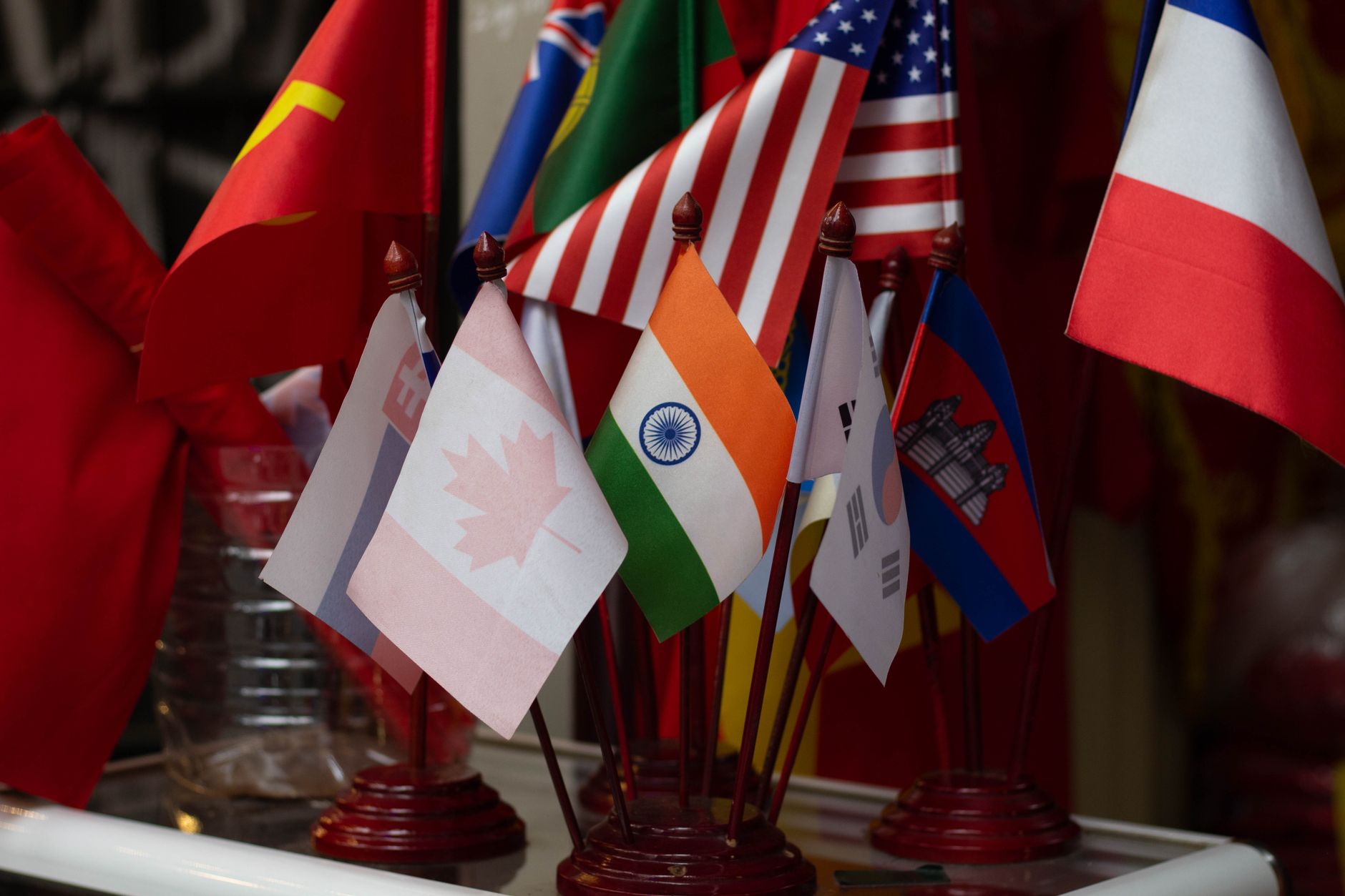
BRICS Summit 2026 has garnered significant attention as leaders agree on the New Delhi Declaration amidst the Middle East crisis. This pivotal event underscores the importance of international cooperation.
Overview of the BRICS Summit 2026
The BRICS Summit 2026 has emerged as a pivotal event in the international arena, showcasing the growing influence of emerging economies. This year, the summit took place against a backdrop of global challenges, including geopolitical tensions and economic uncertainty. Leaders from Brazil, Russia, India, China, and South Africa convened to discuss pressing issues and chart a collective path forward.
One of the most significant achievements of the BRICS Summit 2026 is the adoption of the New Delhi Declaration, which emphasizes cooperation in various sectors including trade, technology, and sustainable development. The declaration reflects a commitment to fostering closer ties among member nations, especially during a time of heightened challenges in the Middle East and beyond.
Key outcomes from the summit include:
- Enhanced Economic Cooperation: Leaders agreed on measures to boost intra-BRICS trade and investment.
- Digital Innovation: A focus on collaborative technology initiatives was highlighted, aiming to bridge the digital divide.
- Climate Change Commitments: The need for a united front on climate action was reiterated, aligning with global sustainability goals.
Overall, the BRICS Summit 2026 has set the stage for a more united approach among member nations, reinforcing their roles as significant players on the world stage.
Key Takeaways from the New Delhi Declaration
The New Delhi Declaration, a significant outcome of the BRICS Summit 2026, outlines crucial agreements and commitments among member nations. Here are the key takeaways:
- Strengthened Cooperation: Member countries reaffirmed their commitment to enhancing collaboration across various sectors, including trade, technology, and sustainable development.
- Global Security: The declaration emphasizes the importance of a multipolar world, advocating for collective security measures to address global challenges.
- Economic Integration: Participants highlighted the need for increased economic ties, focusing on intra-BRICS trade and investment opportunities to boost economic resilience.
- Climate Action: The declaration stresses the urgency of climate change, with member states agreeing to share best practices and technologies to achieve sustainability goals.
- Support for Emerging Economies: BRICS leaders expressed their commitment to supporting emerging economies, ensuring that their voices are heard in global decision-making processes.
- Enhanced Cultural Exchange: The importance of cultural diplomacy was underscored, promoting mutual understanding and respect among diverse cultures within the BRICS community.
These key takeaways from the New Delhi Declaration highlight the collaborative spirit of the BRICS Summit 2026, setting a foundation for future cooperation among member states.
Impact of the Middle East Crisis on BRICS
The ongoing crisis in the Middle East has cast a significant shadow over the BRICS Summit 2026, highlighting the necessity for international cooperation and dialogue. As tensions rise, member countries are increasingly aware of the geopolitical ramifications that such conflicts can have on global stability and economic growth.
During the summit, leaders discussed strategies to address the escalating situation, emphasizing the importance of diplomatic engagement. They recognized that the Middle East crisis not only affects regional security but also has broader implications for energy markets and international trade.
In light of these challenges, the BRICS nations have proposed several initiatives:
- Enhanced Communication: Establishing a dedicated forum for dialogue among member states to share insights and strategies related to the crisis.
- Economic Cooperation: Exploring collaborative projects aimed at stabilizing energy supplies and mitigating economic impacts.
- Humanitarian Aid: Coordinating efforts to provide assistance to those affected by the conflict, reinforcing the BRICS commitment to global welfare.
These discussions underscore the pivotal role that the BRICS Summit 2026 plays in fostering a unified response to international challenges, reflecting the bloc’s capacity to influence global affairs amidst crises.
Leaders Attending the Summit
The upcoming BRICS Summit 2026 is expected to attract a diverse group of influential leaders from member nations, showcasing the bloc’s growing significance on the global stage. With discussions centered on economic collaboration, sustainable development, and geopolitical challenges, the participation of these leaders is crucial for shaping the summit’s outcomes.
Confirmed attendees include:
- President Cyril Ramaphosa of South Africa
- Prime Minister Narendra Modi of India
- President Xi Jinping of China
- President Vladimir Putin of Russia
- President Luiz Inácio Lula da Silva of Brazil
Additionally, there are expectations that leaders from invited countries, such as Argentina and Egypt, will also play a significant role in discussions, further enhancing the summit’s appeal.
The participation of these leaders is not only a reflection of their nations’ commitment to the BRICS agenda but also an indication of the collective intent to address pressing global issues. As the world navigates through economic uncertainties and geopolitical tensions, the discussions at the BRICS Summit 2026 could pave the way for collaborative approaches that benefit all member nations and their partners.
Future Prospects for BRICS Cooperation
The future prospects for BRICS cooperation appear promising as member nations seek to strengthen their partnerships in various sectors. The recent BRICS Summit 2026 has opened up avenues for enhanced collaboration, particularly in economic growth, technology exchange, and sustainable development.
As the global landscape continues to evolve, BRICS nations are expected to focus on the following key areas:
- Economic Integration: There is a growing consensus among member states to enhance trade agreements and reduce barriers, aiming for a more integrated BRICS market.
- Technological Innovation: BRICS countries are prioritizing partnerships in technology development, especially in sectors like information technology, renewable energy, and biotechnology.
- Sustainable Development Goals: The summit highlighted the importance of aligning BRICS initiatives with global sustainability goals to tackle climate change and promote environmental stewardship.
- Cultural Exchange: Strengthening cultural ties through educational programs and people-to-people interactions is seen as a vital aspect of fostering goodwill among member nations.
In conclusion, the BRICS Summit 2026 has set the stage for a more collaborative future, positioning the bloc as a significant player in international affairs. The commitment to mutual growth and development could redefine global cooperation for years to come.
Analysis of Economic Strategies
The BRICS Summit 2026 has emerged as a pivotal event for shaping the economic strategies of its member nations. As global dynamics shift, the strategies discussed during the summit reflect a commitment to enhancing cooperation and addressing mutual economic challenges.
One of the key outcomes from the summit has been the emphasis on trade diversification. Member countries are increasingly recognizing the need to reduce dependency on traditional markets and are exploring new trade partnerships. This approach aims to bolster economic resilience, especially in light of recent geopolitical tensions.
Another significant strategy highlighted is the promotion of financial collaboration. The leaders agreed to establish a BRICS development bank to facilitate investments in infrastructure and sustainable projects across member states. This initiative is expected to not only enhance economic growth but also solidify the financial ties among the BRICS nations.
Furthermore, the summit deliberated on the importance of digital economy advancements. Leaders acknowledged the need to invest in technology and innovation to drive economic growth. By fostering a digital ecosystem, BRICS countries aim to harness the potential of technology for enhancing productivity and competitiveness.
In summary, the economic strategies discussed at the BRICS Summit 2026 underscore a collective vision for a more interconnected and resilient economic future among member nations.
Public Reactions to the Summit
Public reactions to the BRICS Summit 2026 have been varied, reflecting a mixture of optimism and skepticism regarding the outcomes. Many citizens from member countries have expressed support for the initiatives discussed, seeing potential for enhanced cooperation and economic growth.
Social media platforms have been buzzing with discussions, where users have shared their thoughts on the New Delhi Declaration and its implications. Some highlights from public opinions include:
- Support for Economic Collaboration: Many believe that the summit’s emphasis on economic integration among BRICS nations could lead to sustainable development and improved trade relations.
- Concerns Over Political Alliances: Critics have raised concerns about potential political ramifications, fearing that the summit may deepen divides between BRICS nations and Western countries.
- Hope for Diplomatic Solutions: Given the ongoing Middle East crisis, some participants have expressed hope that BRICS can play a mediating role in fostering peace and stability in the region.
Overall, public sentiment towards the BRICS Summit 2026 reflects a blend of enthusiasm for the possibilities of strengthened partnerships, alongside caution regarding the geopolitical landscape. As nations continue to navigate complex relationships, the outcomes of this summit remain a focal point for discussions in the coming months.
Conclusion and Next Steps
In conclusion, the BRICS Summit 2026 has set a significant precedent for future international cooperation among emerging economies. The discussions held in New Delhi have not only addressed pressing global issues but have also fostered a spirit of collaboration that is essential in today’s rapidly changing world.
The outcomes of the summit, particularly the New Delhi Declaration, signal a unified approach to tackling challenges such as economic instability, climate change, and geopolitical tensions. As BRICS nations navigate the complexities of the Middle East crisis, their commitment to collective action stands out as a critical development.
Looking ahead, several next steps are crucial for maintaining momentum:
- Implementation of Agreements: Member states must work diligently to put the initiatives discussed into action, ensuring accountability and transparency.
- Continuous Dialogue: Regular communication among BRICS countries will help sustain cooperation and address any emerging challenges swiftly.
- Engagement with Global Partners: Strengthening ties with non-BRICS nations will enhance the bloc’s influence and effectiveness on the global stage.
As we reflect on the BRICS Summit 2026, it is clear that the foundation has been laid for a more cohesive and impactful partnership among these nations. The commitment to unity and cooperation will be tested in the coming years, but the potential for positive change is undeniable.
Photo by Paresh Patil on Pexels