
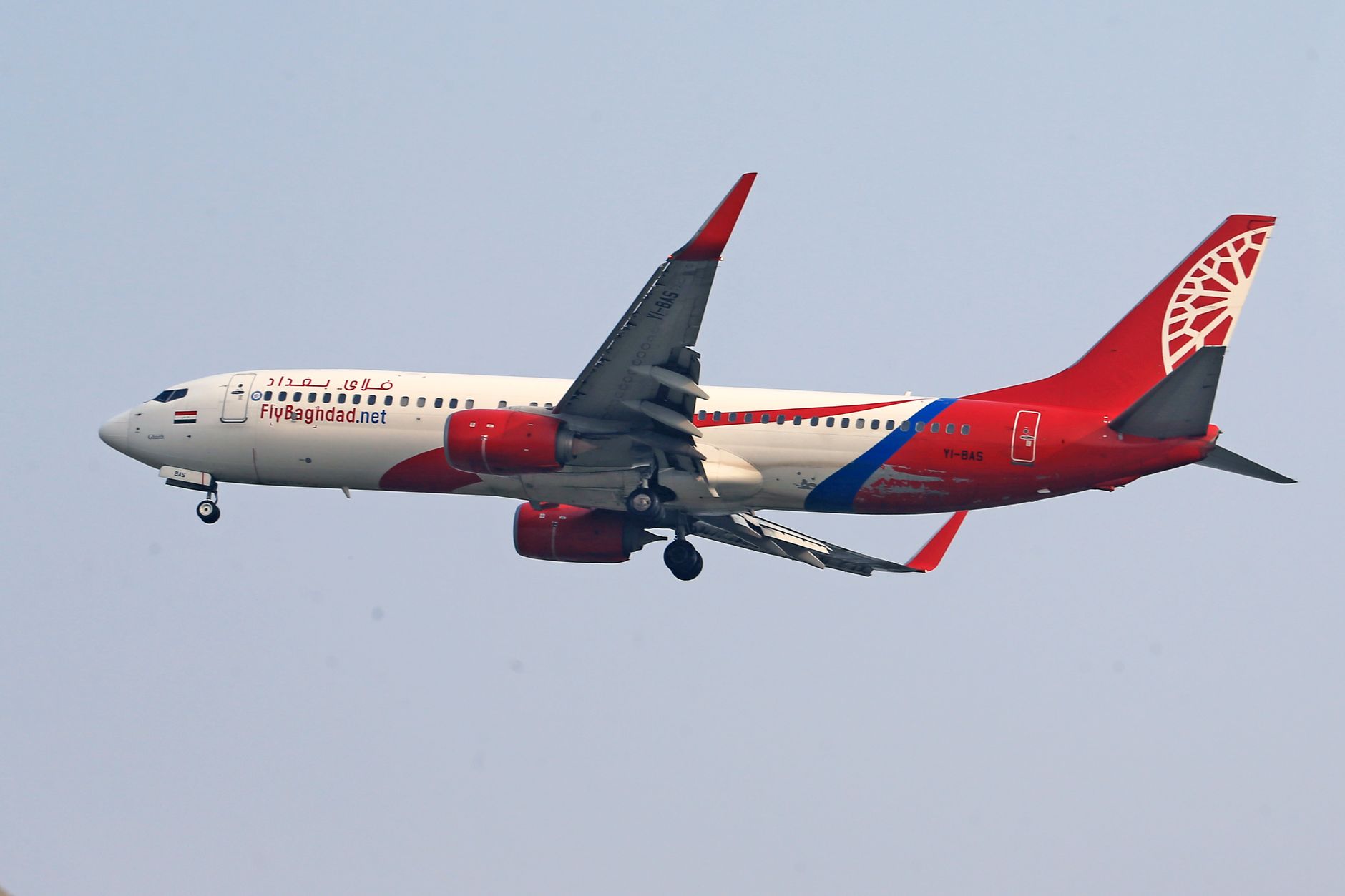
Iranian flights to Baghdad have been suspended, marking a significant development in light of US sanctions threats. This decision raises concerns over regional travel and trade dynamics.
Overview of the Situation
The recent suspension of Iranian flights to Baghdad has highlighted the severe impact of US sanctions on regional air travel. As diplomatic tensions escalate, the Iraqi government found itself in a precarious position, responding to pressure from the United States regarding its relations with Iran.
The situation has drawn attention to several critical points:
- Economic Impact: The halting of these flights not only affects Iranian airlines but also disrupts trade and travel for many Iraqi citizens who rely on these connections.
- Political Ramifications: Iraq’s decision underscores the delicate balance it must maintain between its relations with the US and its neighbor Iran.
- Travel Inconveniences: Many travelers now face longer routes and increased costs, as they seek alternative means to fly to Baghdad.
This development serves as a poignant reminder of how international policies and sanctions can have far-reaching consequences on everyday life and regional dynamics, particularly concerning Iranian flights to Baghdad.
Impact on Travelers
The recent suspension of Iranian flights to Baghdad has left many travelers stranded and frustrated. With the threat of US sanctions looming over Iraq, the decision to halt these flights is indicative of the broader impact on regional travel.
Travelers who rely on these routes for business and personal reasons are now facing significant disruptions. The situation has led to a surge in demand for alternative travel options, which are often more expensive and less convenient.
According to reports, the following effects have been observed:
- Increased Travel Costs: With fewer flights available, ticket prices have skyrocketed, making travel prohibitive for many.
- Travel Delays: Passengers are experiencing longer wait times and increased uncertainty regarding their travel plans.
- Impact on Local Businesses: The suspension is affecting local economies that benefit from cross-border travel, particularly in tourism and trade.
The implications of these developments highlight the worst impact of US sanctions on ordinary people, as Iranian flights to Baghdad become a casualty of geopolitical tensions.
Economic Implications for Iraq
The recent suspension of Iranian flights to Baghdad underscores the broader economic implications for Iraq as it navigates the challenges posed by US sanctions. The halt in these flights not only affects travel but also disrupts vital commercial ties between the two nations, which have historically relied on each other for trade and resources.
As a result of the sanctions, several economic sectors in Iraq may face significant setbacks:
- Trade Disruption: The suspension could lead to decreased imports of goods from Iran, which are essential for various industries in Iraq.
- Increased Costs: Airlines and businesses may experience rising costs as they seek alternative routes and suppliers, ultimately impacting consumers.
- Tourism Decline: With fewer Iranian flights to Baghdad, Iraqi tourism may suffer, particularly in regions that benefit from Iranian visitors.
These challenges highlight the interconnectedness of the economies in the region and the far-reaching consequences of geopolitical tensions.
Response from Iranian Officials
In response to the recent suspension of Iranian flights to Baghdad, Iranian officials have expressed deep concern regarding the implications of US sanctions on bilateral travel and commerce. They argue that this decision disproportionately affects ordinary citizens and undermines the already fragile economic ties between the two nations.
Officials from Iran’s aviation sector stated that the suspension is a direct result of external pressures, emphasizing that such actions only serve to escalate tensions in the region. A spokesperson for the Iranian government remarked, “The decision to halt flights is a clear indication of how sanctions can manipulate and obstruct our people’s freedom to travel.”
Furthermore, Iranian authorities are calling for a diplomatic resolution to the issue, urging Iraq to reconsider its stance. They believe that resuming Iranian flights to Baghdad is essential for fostering economic cooperation and enhancing cultural exchanges between the two countries. Despite the challenges posed by sanctions, Iran remains committed to maintaining strong ties with Iraq.
US Sanctions Explained
The imposition of US sanctions has had a profound effect on international relations and travel within the region, particularly regarding Iranian flights to Baghdad. These sanctions were initially designed to curb Iran’s nuclear ambitions, but they have inadvertently disrupted civilian travel and economic stability in neighboring countries.
US sanctions create significant obstacles for Iranian airlines, limiting their ability to secure funding, insurance, and access to international airspace. This has led to a reduction in the frequency and availability of flights between Iran and Iraq, which has traditionally been a busy route for both business and leisure travelers.
Moreover, the sanctions have prompted the Iraqi government to reconsider its aviation ties with Iran, driven by fears of repercussions from the US. As a result, several recent reports indicate that Iraq has suspended Iranian flights to Baghdad, further complicating travel plans for many individuals and highlighting the sanctions’ worst impact on regional connectivity.
- Restrictions on airline operations
- Economic fallout for travelers
- Increased tensions between nations
Historical Context of Iran-Iraq Relations
The relationship between Iran and Iraq has been marked by a tumultuous history, particularly following the Iran-Iraq War in the 1980s. This conflict left deep scars on both nations, but in recent years, diplomatic ties have seen a resurgence. Iranian flights to Baghdad have become increasingly popular, facilitating travel and trade between the two countries.
However, the backdrop of US sanctions has created significant strain. These sanctions, aimed at curtailing Iran’s influence in the region, have affected various sectors, including aviation. In response to perceived threats from the US, the Iraqi government has had to navigate these complex geopolitical waters carefully.
Over the years, Iraq has often found itself in a delicate position, balancing its historical ties with Iran and its relationship with the United States. As Iranian flights to Baghdad are suspended amidst these tensions, the ramifications on travel, economy, and diplomatic relations are becoming painfully clear.
The ongoing situation highlights the challenge of maintaining stability in a region fraught with historical grievances and external pressures.
Future of Air Travel in the Region
The future of air travel in the region, particularly for Iranian flights to Baghdad, remains uncertain following recent developments. With the Iraqi government suspending these flights amid threats of US sanctions, travelers are left in a precarious position.
Industry experts suggest that the ongoing geopolitical tensions could lead to a significant reshaping of air travel routes. Many airlines may be forced to reconsider their operations in the Middle East, which could result in reduced connectivity for passengers.
Additionally, the potential for increased ticket prices and longer travel times could deter many from flying between Iran and Iraq. This situation may drive travelers to seek alternative means of transportation, such as land routes, which could be less safe and more time-consuming.
Moreover, the long-term effects on tourism and business travel between the two countries could stifle economic growth in the region. As both nations navigate the complexities of international relations, the fate of air travel remains in limbo, leaving many to wonder how the landscape will evolve in the coming years.
Conclusion and Next Steps
The recent suspension of Iranian flights to Baghdad highlights the far-reaching consequences of US sanctions on air travel and regional relations. As travelers face uncertainty and increased costs, the implications extend beyond individual journeys, affecting economic stability in both Iran and Iraq.
In light of these developments, both Iranian and Iraqi authorities must engage in dialogue to address the challenges posed by sanctions. Next steps should include:
- Negotiations: Initiating discussions between Iranian and Iraqi officials to explore potential solutions for resuming flights.
- Alternative Routes: Identifying alternative travel options for passengers caught in the suspension, such as land travel or connecting flights through neighboring countries.
- Public Communication: Providing clear and timely updates to travelers regarding the status of flights and any changes in regulations.
- Regional Cooperation: Strengthening ties between Iran and Iraq to mitigate the adverse effects of external pressures, including sanctions.
Overall, finding a sustainable resolution to the suspension of Iranian flights to Baghdad is crucial for the welfare of both nations and their citizens.
Photo by Jeffry Surianto on Pexels