
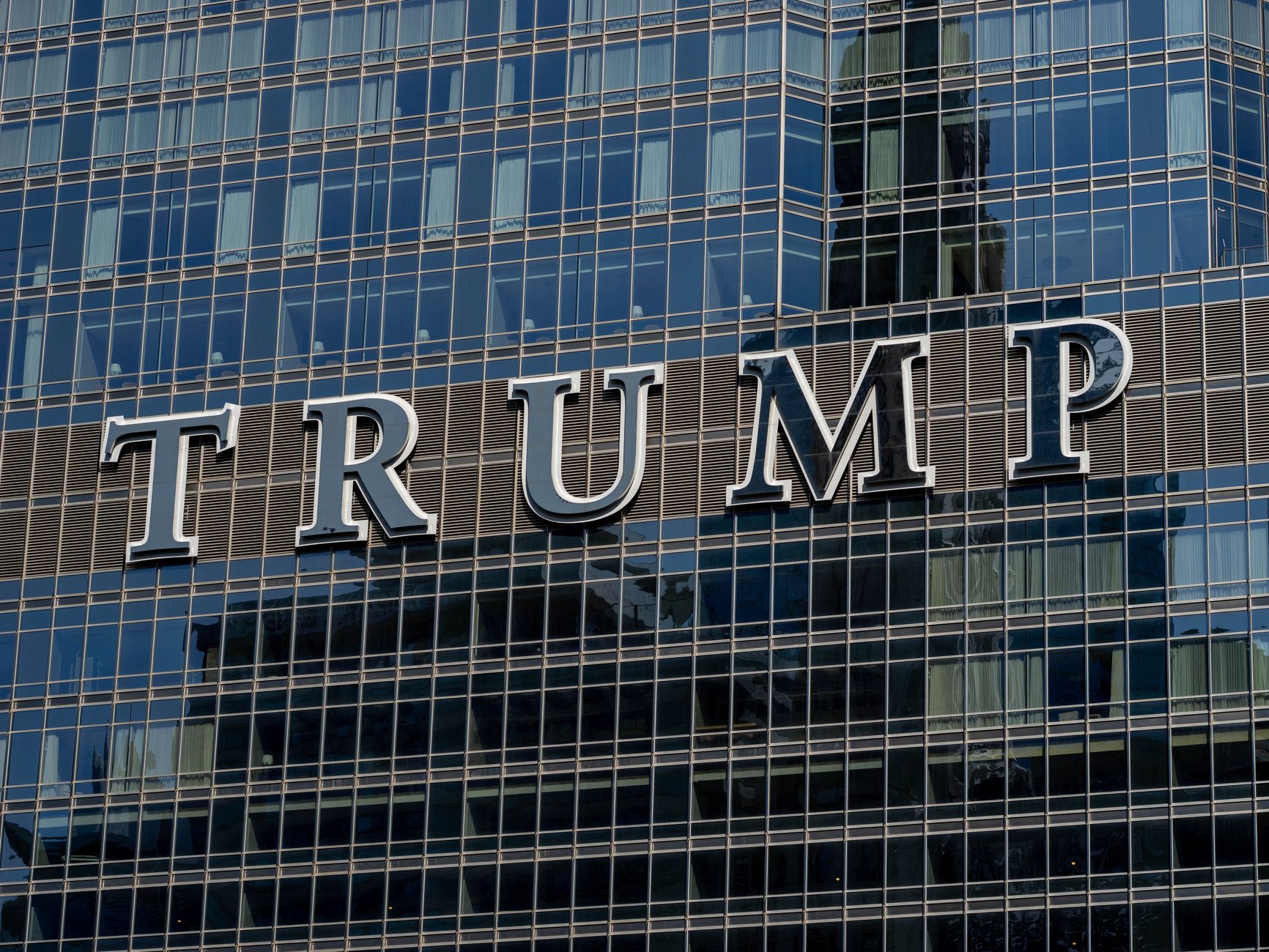
Trump sanctions Russian oil have been waived, allowing for the purchase of Russian oil and gas. This decision is stirring debate among economists and political analysts alike.
Overview of Trump’s Decision
In a significant move, former President Donald Trump has announced a decision to waive sanctions on the purchase of Russian oil and gas. This unexpected action has sparked a heated debate among policymakers and economists regarding its implications for both domestic and international markets. Supporters argue that lifting these sanctions could provide relief to American consumers facing rising energy prices, while critics raise concerns about the potential benefits to the Russian economy amid ongoing geopolitical tensions.
The decision to waive sanctions comes in light of fluctuating global oil prices and a growing demand for energy resources. Key points regarding Trump’s sanctions on Russian oil include:
- Economic Impact: The move could lead to lower fuel prices for Americans, but it may also enable Russia to strengthen its financial position.
- Geopolitical Ramifications: Critics argue that easing sanctions may undermine efforts to hold Russia accountable for its actions on the world stage.
- Domestic Responses: Various political figures have expressed their views, with some supporting the decision and others vehemently opposing it.
As the situation unfolds, many are left wondering if Trump’s sanctions on Russian oil will have the desired effect on the global energy landscape.
Impact on Global Oil Prices
The recent decision by Donald Trump to waive sanctions on the purchase of Russian oil and gas has raised significant questions about its impact on global oil prices. The removal of these sanctions is expected to have several ramifications.
Firstly, the immediate effect could lead to an increase in the availability of Russian oil in the global market. This influx may stabilize prices that have been fluctuating due to geopolitical tensions and supply chain disruptions. Analysts suggest that the decision to sanction Russian oil could have created upward pressure on prices, which may now ease.
However, there are concerns regarding the long-term implications. Key factors to consider include:
- Market Response: How will other oil-producing nations react to this decision?
- Investment Trends: Will investors feel more confident in the oil market, or will uncertainty linger?
- Environmental Concerns: Increased reliance on fossil fuels could hinder progress towards renewable energy goals.
Ultimately, the decision to sanction Russian oil may reshape the dynamics of the energy market for years to come.
Reactions from Political Analysts
Political analysts have expressed a range of opinions regarding Trump’s recent decision to waive sanctions on Russian oil. Some believe that this move could have significant implications for U.S. foreign policy and global energy markets.
- Support for Sanctions: Many analysts argue that reinstating sanctions on Russian oil is essential to demonstrate a firm stance against the country’s aggressive actions. They contend that such measures would send a clear message to Moscow and its allies.
- Concerns Over Oil Prices: Others highlight the potential impact on global oil prices. Analysts warn that reinstating sanctions could lead to increased prices at the pump, which could affect inflation rates and economic recovery efforts in the U.S.
- Geopolitical Ramifications: Some experts note that the decision to impose sanctions could reshape alliances. They argue that countries reliant on Russian energy may seek alternative sources, potentially strengthening relationships with other oil-producing nations.
- Public Opinion: As public sentiment shifts, analysts point out that Trump’s sanctions on Russian oil may influence voter perceptions ahead of upcoming elections.
Overall, the reactions indicate a complex landscape of opinions on the effectiveness and consequences of Trump’s sanctions policy.
Historical Context of Sanctions
The use of sanctions as a tool in international relations has a long and complicated history, particularly in the context of Russian oil. In the past, various administrations have employed sanctions to influence Russian behavior, especially regarding its actions in Ukraine and Syria. The sanctions imposed on Russian oil have often been a focal point, given the country’s significant role in global energy markets.
During his presidency, Donald Trump faced criticism for waiving certain sanctions related to the purchase of Russian oil and gas. This decision was seen by many as an attempt to balance economic interests with geopolitical concerns. However, the effectiveness of sanctions remains a topic of debate.
- 2014 Sanctions: Following Russia’s annexation of Crimea, the U.S. and its allies imposed a series of sanctions targeting the Russian energy sector.
- Oil Prices: Sanctions on Russian oil have historically influenced global oil prices, leading to supply fluctuations.
- Political Ramifications: The impact of sanctions is often felt beyond economics, affecting diplomatic relations and national security.
As Trump considers sanctions on Russian oil again, the historical context is crucial to understanding the potential outcomes of such a decision.
Future of US-Russia Energy Relations
The future of US-Russia energy relations remains uncertain following Trump’s sanctions on Russian oil. While the sanctions aim to pressure Russia, they also present challenges for the United States and its allies. The intricacies of energy dependency complicate the relationship, as many European countries rely heavily on Russian oil and gas for their energy needs.
Analysts predict several possible scenarios:
- Increased Tensions: If the sanctions are perceived as a threat, Russia may retaliate by cutting off supply to Europe, which could lead to an energy crisis.
- Shift in Alliances: Countries that face energy shortages may seek alternative partnerships, potentially turning to other oil-producing nations, which could reshape global alliances.
- Innovation in Energy: The sanctions may spur investment in renewable energy sources within the US and its allies, fostering a transition towards sustainable energy.
Ultimately, the efficacy of Trump’s sanctions on Russian oil will depend on the response from both Russia and the international community, highlighting the delicate balance between geopolitical strategy and energy security.
Public Opinion on the Sanctions Waiver
Public opinion surrounding Trump’s sanctions on Russian oil has become increasingly polarized. Many Americans express concern over the potential economic ramifications of lifting such sanctions, especially given the ongoing conflict in Ukraine. According to recent polls, a significant portion of the public believes that waiving sanctions could undermine U.S. credibility on the international stage.
Supporters of the decision argue that easing sanctions could provide immediate relief at the pump, especially as global oil prices remain volatile. They contend that access to Russian oil may stabilize the market and reduce inflationary pressures.
Conversely, opponents highlight the ethical implications of supporting a nation accused of aggression. They argue that Trump sanctions on Russian oil should remain in place to maintain pressure on the Kremlin and support global democratic values.
In addition, environmental advocates warn that increasing reliance on fossil fuels, including Russian oil, could hinder progress toward renewable energy. With diverse views on the issue, it remains to be seen how public sentiment will evolve as the geopolitical landscape continues to shift.
The debate over whether the Trump sanctions on Russian oil will effectively pressure the Kremlin continues to intensify. Many analysts argue that these Trump sanctions on Russian oil could significantly impact global markets and energy prices.
Photo by Joshua Santos on Pexels
1 thought on “Trump Sanctions on Russian Oil: Is This the Right Move?”