
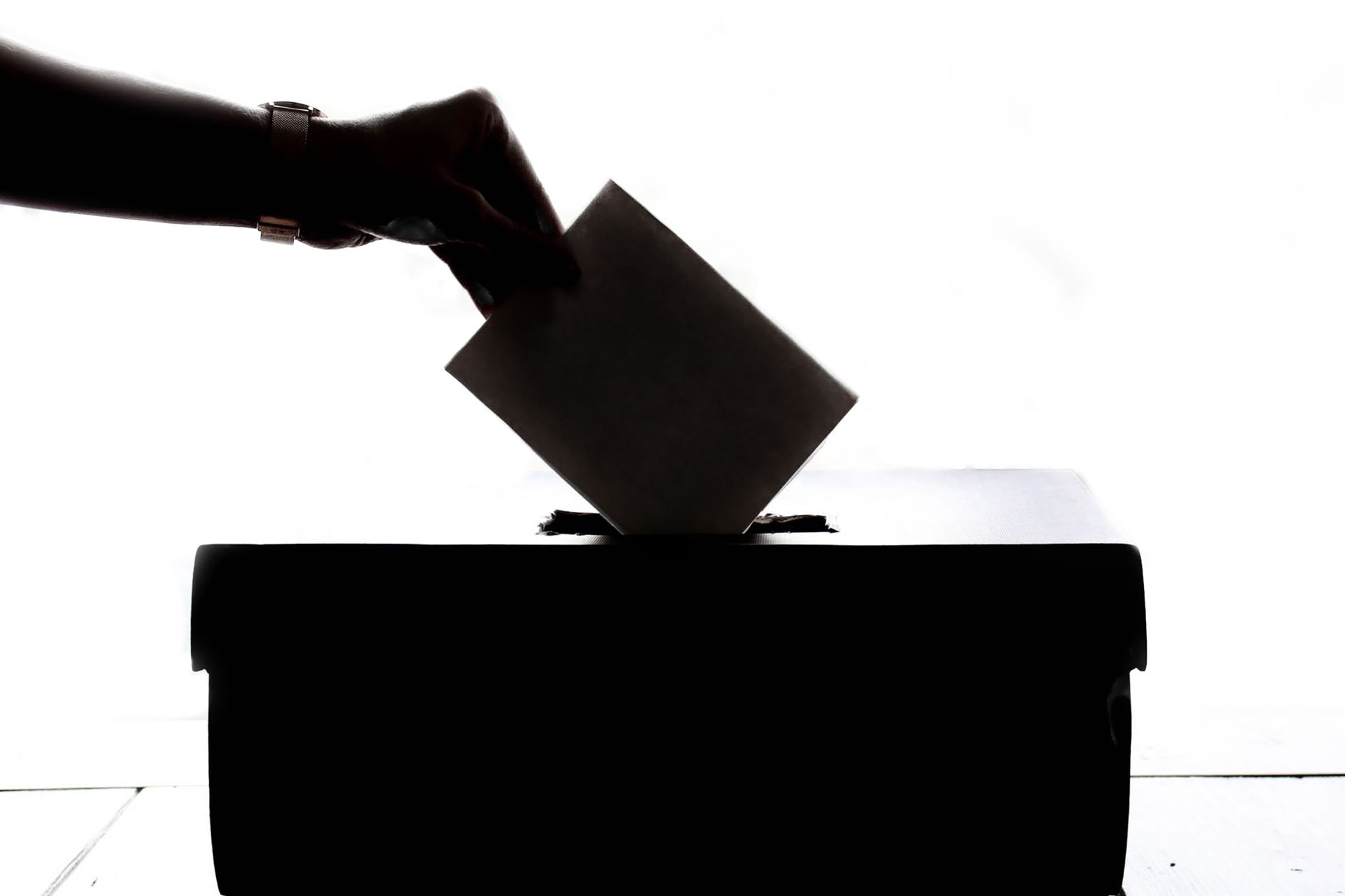
India electoral process has come under fire following criticism from a US Congresswoman. In response, Indian officials are vigorously defending the integrity of their democratic system.
Overview of the Electoral Process in India
The electoral process in India is a comprehensive framework designed to ensure free and fair elections across the nation. This intricate system involves several key components that work together to uphold democratic principles and maintain public trust.
At the heart of the India electoral process is the Election Commission, an independent body tasked with overseeing the conduct of elections at both the national and state levels. The commission is responsible for:
- Preparing electoral rolls: Ensuring that all eligible voters are registered and can participate in elections.
- Setting election dates: Coordinating the timing of elections to avoid conflicts and ensure public accessibility.
- Monitoring campaign activities: Regulating political party campaigns to maintain a level playing field.
- Conducting voting: Implementing various methods, including electronic voting machines, to facilitate the voting process.
- Counting and declaring results: Ensuring that the counting of votes is transparent and accurate.
In addition to these functions, the electoral process is bolstered by stringent laws aimed at preventing malpractices such as bribery and coercion. The judiciary plays a crucial role in addressing electoral disputes, ensuring that grievances are resolved in a timely manner. Overall, the India electoral process is designed to reflect the will of the people and uphold democratic values, despite external criticisms.
US Congresswoman’s Critique Explained
Recently, a US Congresswoman voiced her concerns regarding the India electoral process, suggesting it may be flawed. This critique has sparked a significant political row, prompting responses from various Indian officials.
In response to the Congresswoman’s statements, Indian representatives have emphasized the robustness of its democratic framework, highlighting several key aspects:
- Transparency: The India electoral process is marked by its transparency, with numerous checks and balances in place to ensure fair play.
- Voter Participation: India boasts one of the highest voter turnouts in the world, reflecting a strong engagement from the electorate.
- Independent Election Commission: The Election Commission of India operates independently, ensuring that elections are conducted impartially.
- Diverse Representation: The electoral system accommodates a wide range of political parties and candidates, representing India’s diverse population.
Furthermore, officials have pointed out that criticisms from foreign entities often overlook the unique challenges and complexities of conducting elections in a nation as vast and varied as India. The electoral process is not only a reflection of India’s democratic principles but also of its cultural richness.
In conclusion, while critiques may arise, the defense of the India electoral process underscores its commitment to democracy and the rule of law.
India’s Response to International Criticism
In response to the recent criticism from a US Congresswoman regarding the integrity of the electoral process in India, officials have taken a firm stance to defend the nation’s democratic framework. The Indian government emphasized that the electoral process in India is robust, transparent, and deeply rooted in constitutional principles.
Government representatives highlighted several key aspects of the electoral process that underscore its credibility:
- Voter Registration: The Election Commission of India ensures that the voter registration process is fair and accessible, aiming to include every eligible citizen.
- Polling Security: Measures are in place to guarantee the security of polling stations, including the deployment of law enforcement personnel to prevent any form of electoral malpractice.
- Technological Advancements: The introduction of Electronic Voting Machines (EVMs) has streamlined the voting process, mitigating the risks of fraud and inaccuracies.
- Independent Oversight: The Election Commission operates independently, without political influence, thereby maintaining impartiality throughout the electoral process.
Officials also pointed out that international observers are invited to monitor elections, further validating the election’s credibility. In response to the Congresswoman’s remarks, Indian leaders called for a more nuanced understanding of the country’s democratic practices, asserting that the electoral process in India stands as a testament to its commitment to democracy.
Importance of Electoral Integrity
The integrity of the electoral process in India is paramount for ensuring the democratic fabric of the nation remains intact. A robust electoral system fosters trust among citizens and enhances the legitimacy of elected officials. This trust is crucial, especially in a diverse country like India, where multiple parties and varying interests must coexist.
Several factors contribute to the importance of electoral integrity:
- Transparency: A transparent electoral process allows citizens to verify the fairness of elections, thereby reinforcing their confidence in democratic institutions.
- Accountability: Elected representatives must be held accountable to their constituents. A credible electoral process ensures that those in power are answerable to the public.
- Participation: When citizens believe in the integrity of the electoral process, they are more likely to participate actively in elections, resulting in higher voter turnout and a more representative democracy.
- International Standing: A strong electoral process boosts India’s image on the global stage, showcasing its commitment to democratic principles and human rights.
As criticisms arise, particularly from foreign entities, it becomes essential for India to highlight the measures in place to protect the electoral process. This includes rigorous monitoring, strict regulations, and a dedicated election commission tasked with maintaining the sanctity of every election.
Political Reactions in India
The electoral process in India has sparked significant political reactions following recent criticisms from a US Congresswoman. Various political leaders across the spectrum have come forward to express their views on the matter.
- Government Officials: Several members of the ruling party have defended the integrity of India’s electoral process, emphasizing its transparency and robustness. They argue that the system is designed to reflect the will of the people and has stood the test of time.
- Opposition Parties: While some opposition leaders have echoed concerns regarding electoral fairness, they have also highlighted the need for constructive dialogue with international critics. They believe that engaging with global perspectives can enhance the credibility of India’s electoral process.
- Political Analysts: Experts have weighed in on the situation, suggesting that international scrutiny can serve as a catalyst for reform, urging that the electoral process in India should continually evolve to meet global standards.
- Civil Society Organizations: Advocacy groups have called for increased transparency and accountability within the electoral framework, stressing that these measures can bolster public trust in the democratic process.
As the debate unfolds, it is clear that political reactions regarding the electoral process in India will continue to shape the narrative both domestically and internationally.
Future Implications for India-US Relations
The ongoing discourse surrounding the India electoral process has broader implications for the future of India-US relations. As the two countries continue to navigate complex geopolitical landscapes, the integrity of India’s democracy remains a focal point in bilateral discussions.
One significant outcome of the recent tensions is the potential for enhanced diplomatic engagement. Both nations may seek to clarify their positions and foster mutual understanding. Key implications include:
- Strengthening Alliances: The US may look to bolster its partnership with India, recognizing the latter’s democratic framework as a valuable asset in the Indo-Pacific region.
- Increased Scrutiny: India’s electoral processes may face heightened scrutiny from international observers, prompting the country to adopt more transparent practices.
- Collaborative Initiatives: Opportunities for collaborative initiatives in promoting democratic values and electoral integrity could emerge, benefiting both nations.
- Public Perception: The narrative surrounding India’s electoral process may significantly impact public opinion in both countries, influencing future policy decisions.
As India continues to defend its electoral processes, the manner in which it addresses international criticism could either strengthen or strain its relationship with the United States. How both countries navigate these discussions will be crucial in shaping their diplomatic future.
The India electoral process has been designed to ensure transparency and fairness at every level. Critics often overlook the robust mechanisms in place that uphold the integrity of the India electoral process.
Photo by Element5 Digital on Pexels
1 thought on “India Electoral Process: Clear Defense Against Criticism”