
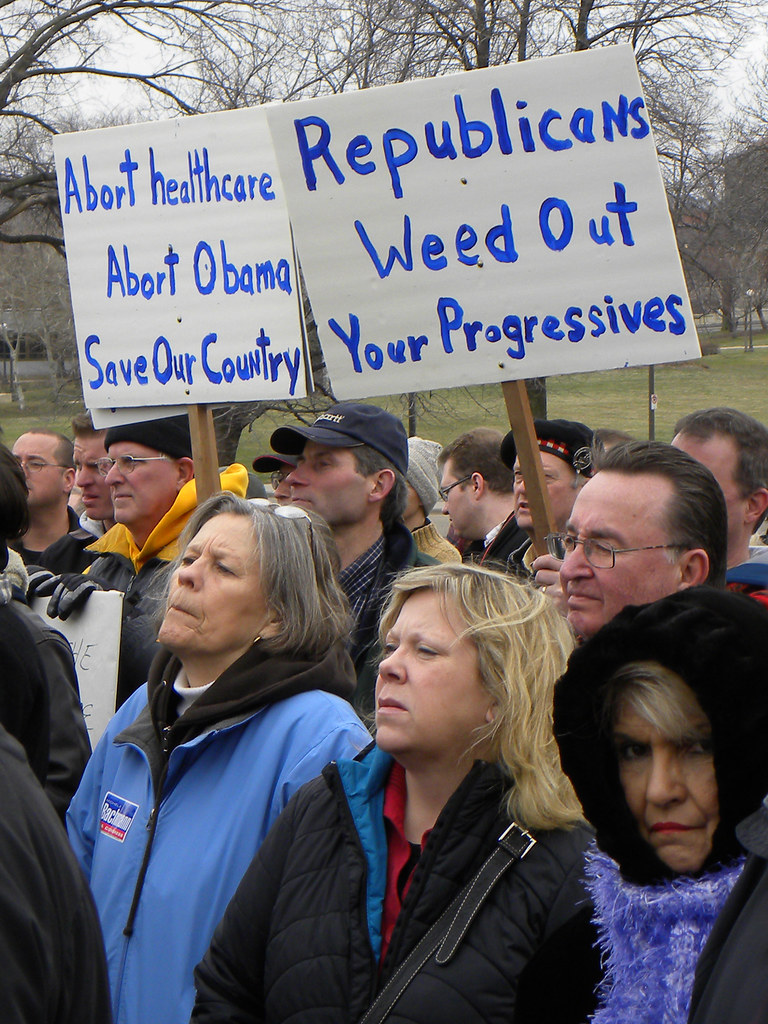
The Save Democracy march is set to take place from Gandhi Jayanti, aiming to rally opposition against the current government. Gyanesh Kumar and Mamata Banerjee are leading the charge for this significant event.
Overview of the Save Democracy march
The upcoming Save Democracy march is set to be a pivotal event, aimed at galvanizing public support for political reform and safeguarding democratic values in the country. Scheduled to commence on Gandhi Jayanti, the march will see leaders from the opposition INDIA bloc coming together to present a united front against perceived threats to democracy.
This initiative emerges in the wake of rising concerns about the erosion of democratic principles, including freedom of speech and press. The march is expected to draw thousands of participants, including activists, political leaders, and everyday citizens who are passionate about preserving their democratic rights.
Key objectives of the Save Democracy march include:
- Raising Awareness: Educating the public about the importance of democratic governance.
- Demanding Accountability: Calling for transparency in government actions and decisions.
- Building Solidarity: Encouraging collaboration among various political factions and civil society organizations.
- Promoting Civic Engagement: Inspiring citizens to actively participate in the democratic process.
As the march approaches, anticipation grows regarding its potential impact on the political landscape and the future of democracy in the nation.
Key figures in the opposition
As the Save Democracy march gains momentum, key figures in the opposition are stepping forward to amplify their message of political change. This coalition, known as the INDIA bloc, is uniting various political leaders and activists who are committed to safeguarding democratic values in the country.
- Mamata Banerjee, the Chief Minister of West Bengal, is one of the prominent leaders advocating for this movement. She has been vocal about the need for political accountability, calling for the Prime Minister’s resignation over governance issues.
- Rahul Gandhi, a senior leader of the Indian National Congress, has also pledged his support, emphasizing the importance of unity among opposition parties to challenge the current administration effectively.
- Arvind Kejriwal, the Chief Minister of Delhi, highlighted the necessity of grassroots participation, urging citizens to join the Save Democracy march to strengthen the call for reform.
- Sharad Pawar, a veteran politician from Maharashtra, brings experience and strategic insight, reinforcing the message that a collective effort is crucial for political change.
These leaders represent a diverse range of ideologies, yet they are united in their commitment to the Save Democracy march, seeking to inspire citizens to take an active role in shaping their political landscape.
Significance of Gandhi Jayanti
The Save Democracy march is set to take place on Gandhi Jayanti, a date of profound significance in India’s history. This day, celebrating the birth of Mahatma Gandhi, serves as a reminder of the values of peace, non-violence, and civil rights that he championed. The choice of this date underscores the opposition’s intent to evoke Gandhi’s legacy in their efforts to promote democratic ideals amidst growing concerns about political erosion in the country.
Gandhi Jayanti is not just a day of remembrance; it symbolizes the ongoing struggle for justice and equality. The Save Democracy march aims to mobilize citizens from all walks of life to stand against perceived threats to these core principles. By aligning the march with Gandhi’s birthday, organizers hope to inspire a sense of unity and purpose among participants.
As leaders from the opposition gather to voice their concerns and rally support, they emphasize the importance of collective action in safeguarding democracy. The significance of this day, therefore, extends beyond mere commemoration; it calls on people to reflect on the ideals of Gandhi and to actively engage in the democratic process to ensure a brighter future for the nation.
Public response to the march
The public response to the Save Democracy march has been overwhelmingly positive, with citizens from various backgrounds expressing their support for the movement. Many individuals have taken to social media to share their thoughts, highlighting the importance of active civic engagement in preserving democratic values.
Supporters of the march have organized community gatherings and discussions, emphasizing the need for political change in light of current challenges. One resident, Priya Sharma, stated, “This march is our chance to show that we care about our democracy. We cannot remain silent while our rights are threatened.”
Furthermore, various civil society organizations have pledged their support, mobilizing volunteers to participate in the march. Notable figures from the arts and entertainment sectors have also voiced their backing, believing that a strong public turnout will send a clear message to those in power.
In addition to social media campaigns, grassroots efforts have included distributing flyers and organizing local meetings to educate people about the significance of the Save Democracy march. Activist Rahul Mehta remarked, “This is not just a march; it’s a movement aimed at uniting voices for real political change.”
As the date approaches, anticipation continues to build among supporters eager to take part in this historic event.
Future implications for Indian politics
The Save Democracy march has sparked discussions on the future landscape of Indian politics, with many analysts predicting significant shifts in party dynamics and voter engagement. As political parties rally together under the INDIA bloc, the implications of their united front could lead to a more competitive electoral environment.
One potential outcome is the strengthening of regional parties, which have historically played crucial roles in local governance. With the opposition’s collective efforts, these parties may gain more visibility and influence, reshaping their agendas to resonate with a broader audience. Additionally, the march serves as a reminder to the ruling party about the power of grassroots movements, which could prompt them to reevaluate their strategies and policies.
Moreover, the active participation of citizens in the Save Democracy march indicates a growing demand for accountability and transparency in governance. If this momentum is maintained, it could lead to heightened political awareness among the electorate, encouraging more informed voting decisions in upcoming elections.
In summary, the implications of the Save Democracy march extend beyond immediate political ramifications, potentially setting the stage for a more dynamic and representative political framework in India.
By Fibonacci Blue via Openverse
1 thought on “Save Democracy march: Clear Plan for Political Change”