
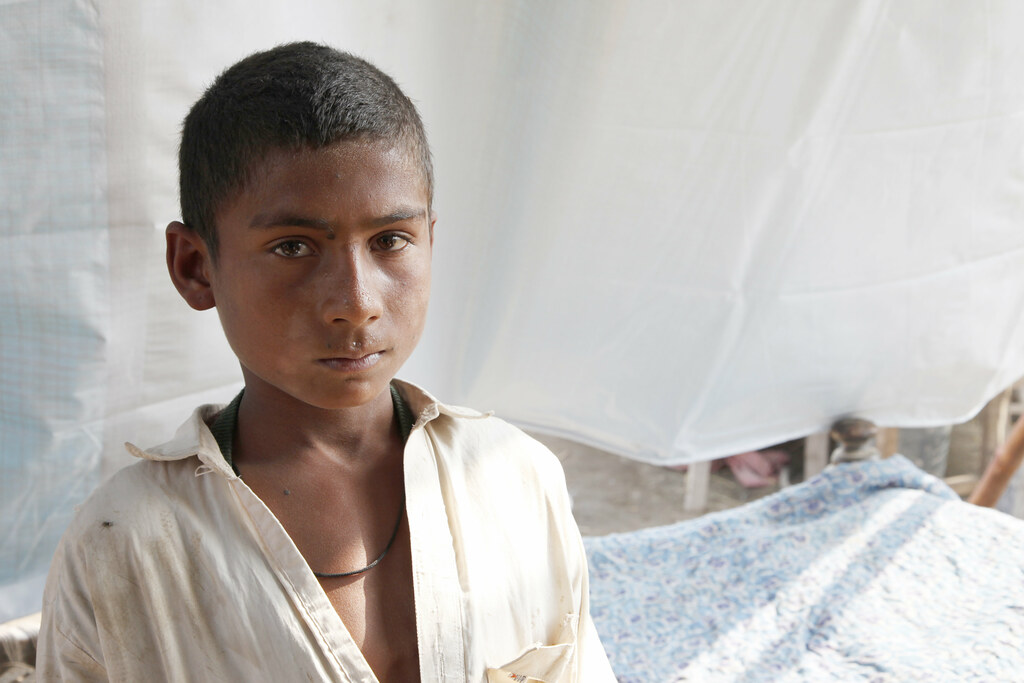
Children without school sanitation face dire circumstances in India, which has the highest number of such cases globally. This alarming statistic sheds light on the urgent need for better facilities.
Introduction to School Sanitation Issues
In many regions around the world, the lack of proper sanitation facilities in schools poses a significant challenge, particularly for children. The issue is particularly dire in countries like India and Nigeria, where a staggering number of children without school sanitation are forced to endure unsanitary conditions. These conditions not only affect their health but also their ability to learn and thrive in an educational environment.
According to recent reports, the absence of adequate sanitation facilities can lead to:
- Increased health risks: Children are more susceptible to diseases due to unhygienic conditions.
- Dropout rates: Many children, especially girls, may leave school due to the lack of privacy and safety.
- Academic challenges: The stress and discomfort associated with inadequate sanitation can hinder academic performance.
Addressing the issue of children without school sanitation is crucial to fostering a healthier and more productive educational environment.
Current Statistics on School Sanitation
Recent reports highlight alarming statistics regarding children without school sanitation across various countries. According to a comprehensive survey conducted by UNICEF, approximately 1 in 10 schools globally lack basic sanitation facilities, severely affecting children’s health and education. The situation is particularly dire in developing nations.
In India, it is estimated that over 100 million children are attending schools without access to proper sanitation. This not only compromises their hygiene but also exacerbates health issues such as diarrhea and other waterborne diseases. Nigeria follows closely, with millions of children facing similar challenges.
Key statistics reveal:
- 50% of schools in rural areas lack adequate sanitation facilities.
- 37% of girls drop out of school due to inadequate sanitation during menstruation.
- Over 500,000 children in urban slums are denied safe and hygienic school environments.
Addressing the issue of children without school sanitation is critical for ensuring a safe and conducive learning environment.
Impact of Poor Sanitation on Children
The impact of poor sanitation on children is profound and far-reaching, affecting their health, education, and overall well-being. In countries like India and Nigeria, where the issue of children without school sanitation is prevalent, the consequences are especially dire.
- Health Risks: Inadequate sanitation facilities often lead to the spread of waterborne diseases, causing frequent illness among students. This not only hampers their physical health but also their ability to attend school.
- Educational Disruption: Children, particularly girls, may miss school days due to a lack of proper sanitation facilities. The fear of not having a safe and clean place to manage their hygiene needs can deter attendance.
- Psychological Effects: The embarrassment and stigma associated with poor sanitation can lead to anxiety and reduced self-esteem among affected children, further hindering their educational participation.
Addressing these issues is crucial for fostering an environment where all children can thrive academically and socially.
Government Initiatives in India
The Indian government has recognized the urgent need to address the issue of children without school sanitation, launching several initiatives aimed at improving facilities across the nation. These initiatives are part of a broader strategy to enhance educational environments and promote health among students.
One significant program is the Swachh Vidyalaya Abhiyan, which focuses on constructing toilet facilities in schools, especially in rural areas where the lack of sanitation is most acute. Through this program, the government aims to ensure that every school has access to clean and functional sanitation.
Additionally, the government is implementing awareness campaigns to educate teachers, parents, and students about the importance of hygiene and proper sanitation practices. These efforts are complemented by partnerships with non-governmental organizations, which play a critical role in monitoring and providing support to schools.
Despite these efforts, challenges remain, and continued commitment is essential to eradicate the plight of children without school sanitation.
Comparative Analysis with Nigeria
In a comparative analysis with Nigeria, the situation regarding children without school sanitation becomes even more alarming. While India leads with the highest number of children lacking adequate sanitation facilities, Nigeria is not far behind, revealing a pressing global issue.
According to recent reports, approximately 30 million children in Nigeria attend schools without proper sanitation. This lack of facilities not only affects their health but also impacts their educational outcomes. The conditions in many Nigerian schools mirror those found in India, where inadequate sanitation has been linked to increased absenteeism and lower academic performance.
Key challenges faced by both countries include:
- Lack of funding for sanitation infrastructure
- Inadequate government policies to address sanitary needs
- Cultural stigmas surrounding sanitation practices
Addressing these issues is crucial for fostering a healthier learning environment for millions of children in both nations.
Community Efforts to Improve Conditions
In response to the alarming situation of children without school sanitation, local communities across affected regions are mobilizing to implement crucial changes. These grassroots efforts aim to create safer and healthier learning environments for students.
Community organizations are actively engaging with schools to raise awareness about the importance of proper sanitation facilities. Many initiatives include:
- Building new sanitation units: Volunteers come together to construct eco-friendly toilets that are accessible to all students.
- Conducting hygiene education programs: Workshops are organized to teach children the importance of personal hygiene and sanitation practices.
- Partnering with local governments: Collaborations are being formed to secure funding and resources for sustainable sanitation projects.
- Involving parents and teachers: Community meetings are held to encourage participation and support for sanitation improvements at schools.
These proactive measures exemplify a united community effort to address the pressing issue of inadequate sanitation for children, fostering a healthier future for generations to come.
Long-term Solutions for School Sanitation
The persistent issue of children without school sanitation highlights the urgent need for long-term solutions that can create sustainable change. Addressing this crisis requires a multi-faceted approach that includes investment in infrastructure, education, and community awareness.
Key strategies for improving school sanitation include:
- Infrastructure Development: Building and maintaining adequate sanitation facilities is crucial. Schools must be equipped with clean toilets, handwashing stations, and safe drinking water.
- Community Engagement: Involving parents and local leaders in planning and maintaining sanitation facilities fosters a sense of ownership and responsibility.
- Education and Training: Providing training for teachers and students on hygiene practices can significantly improve health outcomes and encourage proper usage of sanitation facilities.
- Partnerships: Collaborating with NGOs and government bodies can enhance resources and expertise, ensuring that schools receive the support needed for effective sanitation solutions.
By implementing these strategies, we can work towards a future where all children have access to safe and hygienic school environments.
Conclusion and Call to Action
In conclusion, the plight of children without school sanitation is a pressing issue that demands immediate attention. The statistics reveal a troubling reality, with millions of children attending schools lacking basic sanitation facilities. This not only affects their health but also their ability to learn and thrive in a safe environment.
To address this crisis, it is essential for all stakeholders, including governments, non-profits, and communities, to come together and implement effective solutions. Key actions include:
- Investing in infrastructure to build and maintain proper sanitation facilities in schools.
- Raising awareness about the importance of hygiene education among students and teachers.
- Encouraging community participation to ensure that local needs and challenges are addressed.
Ultimately, ensuring that every child has access to safe and hygienic school sanitation is not just a necessity but a fundamental right. It is imperative that we act now to create a healthier and more equitable future for our children.
By DFID – UK Department for International Development via Openverse
1 thought on “Children Without School Sanitation: Worst Conditions Revealed”